Maintaining robust physical health and functional independence becomes increasingly vital as individuals advance in age, particularly past the milestone of 55. Among the myriad of exercises recommended for fostering strength and stability, the glute bridge stands out as a deceptively simple yet profoundly effective movement. This exercise, often overlooked in favor of more complex routines, offers a powerful assessment tool for evaluating an individual’s core and posterior chain resilience, providing insights into their capacity for everyday movement and overall well-being. A specific duration for holding this position, particularly for those over 55, can indicate a level of strength and endurance that significantly exceeds that of their age-matched counterparts, underscoring its utility as a practical benchmark.
The glute bridge is a foundational, low-impact exercise that strategically engages multiple crucial muscle groups. Primarily, it targets the gluteal muscles—gluteus maximus, medius, and minimus—which are essential for hip extension, rotation, and abduction. Concurrently, it activates the deep abdominal muscles, including the transverse abdominis, along with the obliques and the erector spinae muscles of the lower back. This synergistic engagement cultivates comprehensive strength and stability throughout the lumbo-pelvic region. Unlike high-impact exercises that can place undue stress on joints, the glute bridge provides a gentle yet effective means to build power and endurance, making it particularly suitable for older adults or individuals recovering from injuries.
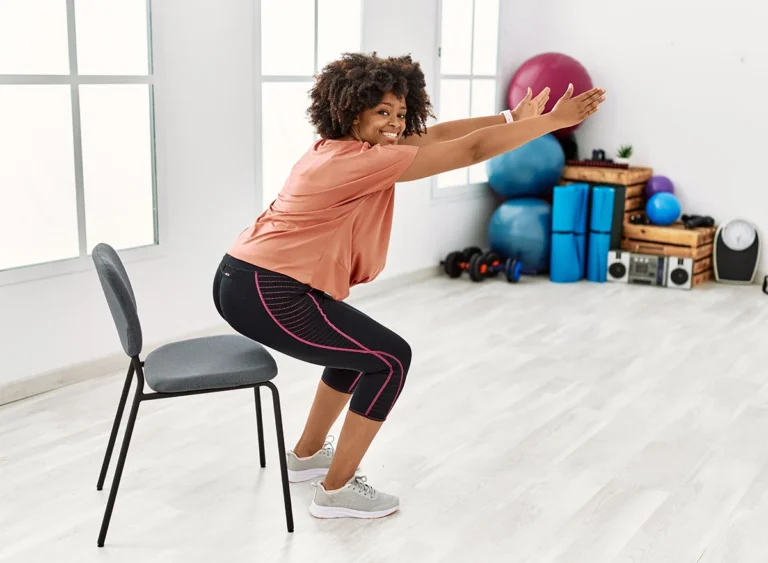
The tangible benefits of a strong core and resilient glutes extend far beyond mere physical appearance; they are fundamental to preserving functional mobility and preventing age-related decline. For instance, enhanced hip strength directly translates into an easier ability to transition from a seated to a standing position, a common daily activity that can become challenging with weakening muscles. A well-conditioned posterior chain also contributes significantly to a more stable and balanced gait, reducing the risk of stumbling or falling. Falls represent a major public health concern for older populations, often leading to serious injuries, loss of independence, and increased healthcare costs. Furthermore, the power generated by strong glutes and core muscles facilitates climbing stairs with greater ease and confidence, eliminating hesitation and the need for excessive reliance on handrails. These improvements in daily functional capacity are instrumental in maintaining an active, independent lifestyle and enhancing overall quality of life throughout the aging process.

Rosie Borchert, a certified personal trainer (NASM-CPT) with REP Fitness, highlights the critical role of the glute bridge as an indicator of foundational strength. She proposes a specific benchmark: if an individual over the age of 55 can sustain a glute bridge for a particular duration, it suggests their core strength is superior to a vast majority—potentially more than 90%—of their peers. This assertion underscores the exercise’s value not just as a training modality but as a diagnostic measure for muscular health in later life.
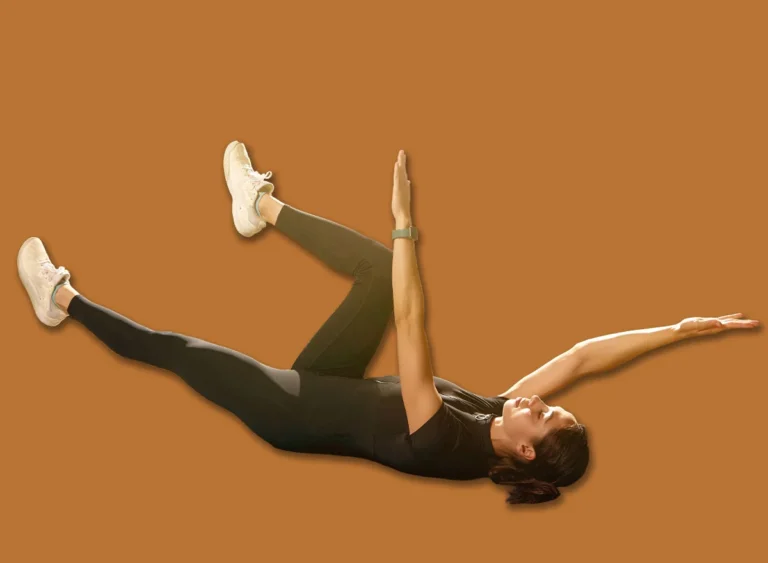
Understanding how the glute bridge engages the core differently from traditional abdominal exercises is key to appreciating its unique advantages. Core training encompasses various movement patterns, typically categorized into four primary functions: flexion (bending forward), anti-rotation (resisting twisting), lateral flexion (bending sideways), and anti-extension (resisting arching of the lower back). Exercises such as crunches and sit-ups fall under the dynamic flexion category. These movements primarily target the rectus abdominis, the superficial "six-pack" muscle, with support from the transverse abdominis and obliques, involving a rounding of the spine and a forward bend of the torso.
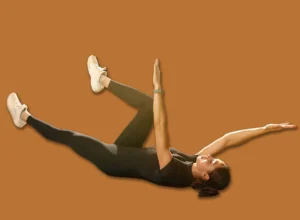
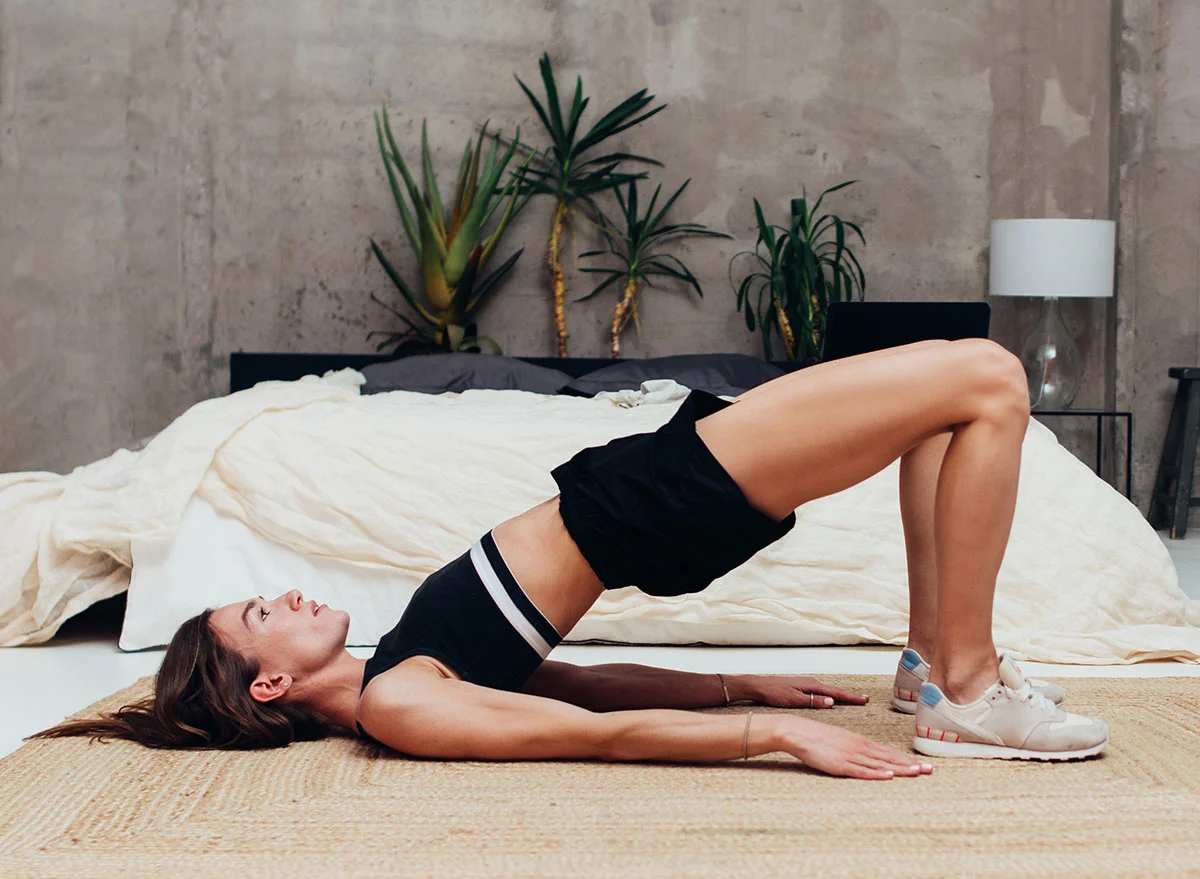
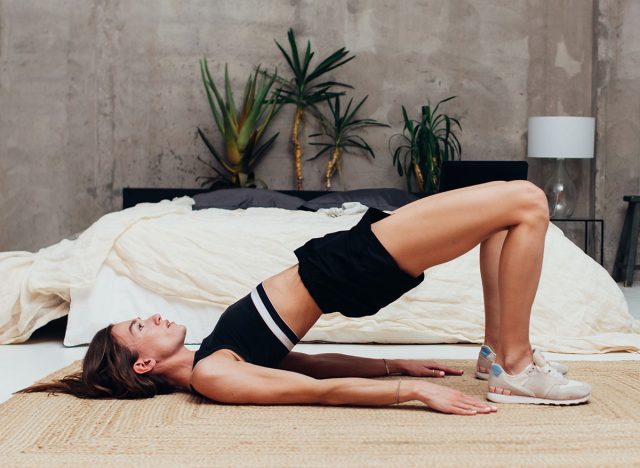
In contrast, the glute bridge functions as an isometric, anti-extension exercise. Isometric means the muscles are contracting and holding a position without significant joint movement, creating sustained tension. Anti-extension specifically refers to the core’s role in preventing the lower back from arching excessively, thereby maintaining a neutral spinal alignment. While the gluteus maximus is the primary driver of the hip extension component of the movement, lifting the hips off the floor, the core musculature is profoundly engaged as a crucial stabilizing force. Borchert eloquently likens this relationship to a road trip: "the glutes are the driver and the core is the passenger, there to help keep the driver company so they can do their job well." In this analogy, the "passenger" core musculature actively works to stabilize the pelvis, maintain optimal spinal alignment, and safeguard the lower back from overextension. This distinction highlights the bridge’s capacity to build deep, functional core strength that supports the spine and pelvis during all forms of daily movement, rather than just focusing on superficial abdominal muscle development.
For adults in the 55-and-over demographic, establishing a practical benchmark for glute bridge hold times can offer valuable insights into their muscular endurance and overall stability. Borchert suggests that sustaining a glute bridge for 30 to 60 seconds is indicative of commendable gluteal and trunk endurance. Achieving a hold duration exceeding 60 seconds signifies "excellent muscular endurance and above-average hip stability," placing individuals within a superior fitness tier for their age group. This assessment is particularly relevant given the physiological changes associated with aging.
Sarcopenia, the progressive loss of muscle mass, strength, and function, is a natural part of the aging process, typically accelerating after age 50. This decline impacts not only overt strength but also muscular endurance and coordination. Research studies focusing on younger adults, specifically those aged 18 to 35, have reported average glute bridge hold times ranging from 60 to 100 seconds. While comprehensive studies specifically on older adult populations are less common, fitness professionals and researchers account for the natural reduction in muscle mass and endurance by adjusting performance targets downwards for those over 55. This adjustment acknowledges physiological realities while still providing an aspirational yet achievable goal.
However, Borchert emphasizes that the quality of execution and a commitment to gradual improvement supersede the pursuit of arbitrary numbers. "Ultimately, tackling this move with proper form, and working with progressive overload (increasing your time under tension from week to week as you get stronger), is more important than chasing a specific number," she advises. Proper form ensures that the correct muscles are engaged, minimizing the risk of injury and maximizing the exercise’s effectiveness. Key elements of correct form include maintaining a straight line from shoulders to knees, engaging the glutes to lift the hips, and preventing the lower back from arching. Progressive overload, a fundamental principle of strength training, involves gradually increasing the demands placed on the body over time. For the glute bridge, this could mean extending the hold duration, performing more repetitions, introducing variations like single-leg bridges, or adding external resistance such as a weight plate across the hips.
Incorporating the glute bridge into a regular fitness regimen can yield substantial dividends for long-term health and functional capacity. For beginners, starting with shorter holds (e.g., 15-20 seconds) and gradually increasing duration as strength improves is a prudent approach. Consistency is paramount; performing the exercise several times a week can lead to noticeable improvements in core and hip strength, enhanced balance, and increased confidence in daily movements. Beyond the basic glute bridge, variations like single-leg glute bridges challenge stability and endurance even further, while elevating the feet on a bench can increase the range of motion and intensity.
In conclusion, the glute bridge is more than just an exercise; it serves as a powerful indicator of fundamental strength and stability, particularly for individuals navigating the complexities of aging. Its ability to cultivate synergistic strength in the glutes and core, promote spinal health, and enhance functional mobility makes it an invaluable component of any comprehensive fitness program designed for longevity. By understanding its mechanics, embracing proper form, and committing to progressive improvement, individuals over 55 can utilize the glute bridge not only to assess their current physical status but also to proactively build and maintain the strength necessary for an active, independent, and fulfilling life. The challenge it presents is not merely about achieving a specific hold time, but about investing in the sustained vitality that underpins a high quality of life for years to come.
About the Author