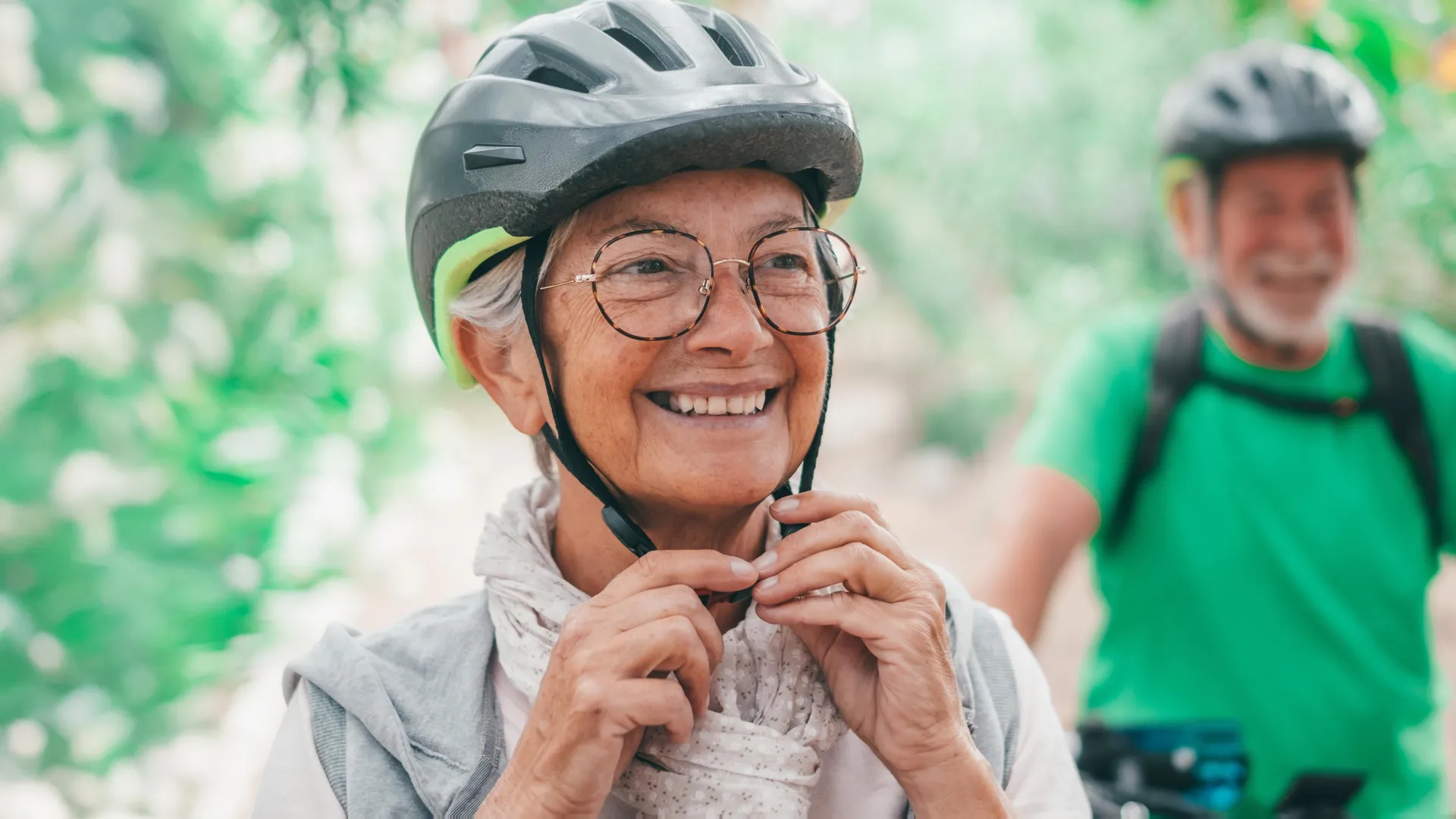
Japan, a nation at the forefront of global demographic shifts, is characterized by a rapidly aging populace, presenting unique challenges and opportunities in public health. Within this context, the ubiquitous presence of older adults utilizing bicycles for daily errands and commuting has long been a distinctive cultural feature, setting Japan apart from many Western countries where cycling rates among the elderly are notably lower. While a general consensus has existed regarding the health advantages of an active lifestyle, including cycling, concrete long-term epidemiological evidence specifically detailing its impact on the longevity and independence of Japan’s elderly population remained surprisingly sparse. A recent comprehensive study, however, has begun to fill this crucial knowledge gap, offering compelling insights into how consistent engagement with cycling can significantly reduce the risk of requiring long-term care and even extend life expectancy among Japanese seniors.
The impetus behind this significant research was to move beyond anecdotal observations and provide robust, data-driven insights into the sustained benefits of pedal-powered mobility for an aging demographic. Researchers embarked on an ambitious project, scrutinizing the cycling behaviors of older adults across two distinct analytical frameworks. The initial phase involved establishing a baseline in 2013, identifying individuals who regularly cycled and then tracking their health trajectories over a subsequent decade, through 2023. The primary endpoints for this longitudinal analysis were the incidence of needing long-term care services and overall mortality rates. The second, more nuanced aspect of the investigation delved into the dynamic nature of cycling habits. This segment analyzed shifts in participants’ engagement with cycling between 2013 and 2017 – categorizing individuals into groups such as non-users, those who initiated cycling, those who interrupted their cycling routine, and those who consistently continued – and subsequently correlated these behavioral changes with health outcomes in the years that followed. Crucially, the study paid particular attention to a critical subgroup: older adults who no longer drove, examining how cycling might serve as a pivotal alternative for maintaining their autonomy and well-being.
The findings from this meticulous ten-year analysis delivered unequivocal evidence of cycling’s profound protective effects. Older adults who were actively cycling in 2013 demonstrated a statistically significant reduction in their propensity to require long-term care and exhibited considerably lower mortality rates over the ensuing decade, when compared to their sedentary counterparts who did not engage in cycling. This observation held true across the entire participant cohort, suggesting a broad spectrum of benefits. However, the advantages of cycling were particularly pronounced and robust among the subgroup of individuals who had ceased driving. For these non-drivers, regular cycling emerged not merely as a mode of transportation but as a vital conduit for maintaining health and self-sufficiency, amplifying the protective effects against both dependency and premature death.
The second analytical approach, focusing on the evolution of cycling behaviors, further reinforced these positive correlations. The study revealed that individuals who maintained their cycling routine consistently between 2013 and 2017 accrued the most substantial benefits, exhibiting the lowest risks of both future long-term care needs and mortality. This underscores the principle that sustained engagement with physical activity, rather than sporadic bursts, is key to fostering enduring health outcomes. Moreover, for the population of non-drivers, the benefits extended even to those who initiated cycling during the 2013-2017 period. This particular finding carries significant weight, suggesting that it is never too late to adopt active transportation habits, especially for those who might otherwise face dwindling mobility options. Starting to cycle later in life, particularly for those no longer behind the wheel, was directly associated with a reduced likelihood of needing institutional care in their later years, highlighting cycling’s potential as a late-life health intervention.
These compelling results transcend a simple endorsement of physical activity; they position cycling as a multifaceted "lifestyle companion" uniquely suited to supporting healthy aging. The term, coined by the researchers, encapsulates cycling’s role not just as exercise, but as an integrated component of daily living that fosters physical, mental, and social well-being. Physiologically, regular cycling offers a wealth of benefits: it improves cardiovascular health, strengthens core muscles and leg strength, enhances balance and coordination, and contributes to better metabolic health. These elements are crucial in mitigating the common health challenges associated with aging, such as sarcopenia (age-related muscle loss), osteoporosis, and the risk of falls. Furthermore, the cognitive benefits of cycling, driven by increased blood flow to the brain and the mental engagement required for navigating routes, contribute to preserving cognitive function and potentially delaying the onset of neurodegenerative conditions.
Beyond the purely physiological, cycling profoundly impacts the mental and social dimensions of healthy aging. For older adults, maintaining independence and a sense of purpose is paramount. The ability to cycle to local shops, visit friends, or access community services provides a tangible sense of autonomy and self-efficacy, combating feelings of isolation and helplessness that can often accompany reduced mobility. This sustained engagement with the external world is a powerful antidote to loneliness, which is increasingly recognized as a significant public health concern with detrimental effects on both mental and physical health. Social interaction, even if brief, during daily commutes or errands, contributes to a robust social fabric and a sense of belonging.
The particular emphasis on non-drivers in this study highlights a critical public health consideration in aging societies. As cognitive and physical abilities naturally decline with age, many older adults in Japan, often voluntarily or upon medical advice, surrender their driver’s licenses. While this decision enhances road safety, it can inadvertently lead to reduced mobility, social isolation, and a decline in physical activity if suitable alternatives are not readily available. In this context, cycling emerges as an invaluable mobility solution. It offers a low-impact, environmentally friendly, and often cost-effective mode of transportation that can significantly extend the period of independent living for those no longer able to drive. This not only benefits the individual but also alleviates potential burdens on family caregivers and public transportation systems.
The implications of this research extend far beyond individual health choices, offering crucial insights for public health policy and urban planning, particularly in countries facing similar demographic challenges. The study underscores the urgent need for greater societal support to encourage and facilitate cycling among older adults. This includes the development of safer cycling infrastructure, such as dedicated bike lanes, well-maintained paths, and clearly marked routes that prioritize the safety and comfort of older riders. Furthermore, community-level initiatives, such as educational programs on safe cycling practices, bicycle maintenance workshops, and even subsidized access to electric-assist bicycles (e-bikes), could significantly lower barriers to participation. E-bikes, in particular, offer a less strenuous alternative for those with reduced physical strength or navigating hilly terrain, thereby broadening the appeal and accessibility of cycling to an even wider segment of the elderly population.
From a broader public health perspective, promoting cycling as a fundamental component of active transportation can contribute to more sustainable and age-friendly urban environments. By fostering a culture where cycling is not just recreational but an integral part of daily life, cities can enhance the healthspan of their residents, reduce healthcare expenditures associated with sedentary lifestyles, and create more vibrant, interconnected communities. The Japanese experience, as elucidated by this research, serves as a compelling case study for other nations grappling with the complexities of an aging society, demonstrating that investing in active mobility solutions like cycling yields dividends across multiple domains: individual health, social well-being, and public sustainability.
This pivotal study, supported by grants from JSPS KAKENHI Grant-in-Aid for Young Scientists (B) (26750348), KEIRIN JKA (2023P-380), JST (JPMJPF1234), Meiji Yasuda Life Foundation of Health and Welfare, and Japan Sport Association, provides a robust foundation for future interventions and policy decisions aimed at promoting healthier, more independent aging globally. It reinforces the understanding that sometimes, the most profound health benefits can be found in the simplest, most integrated aspects of our daily routines.
About the Author