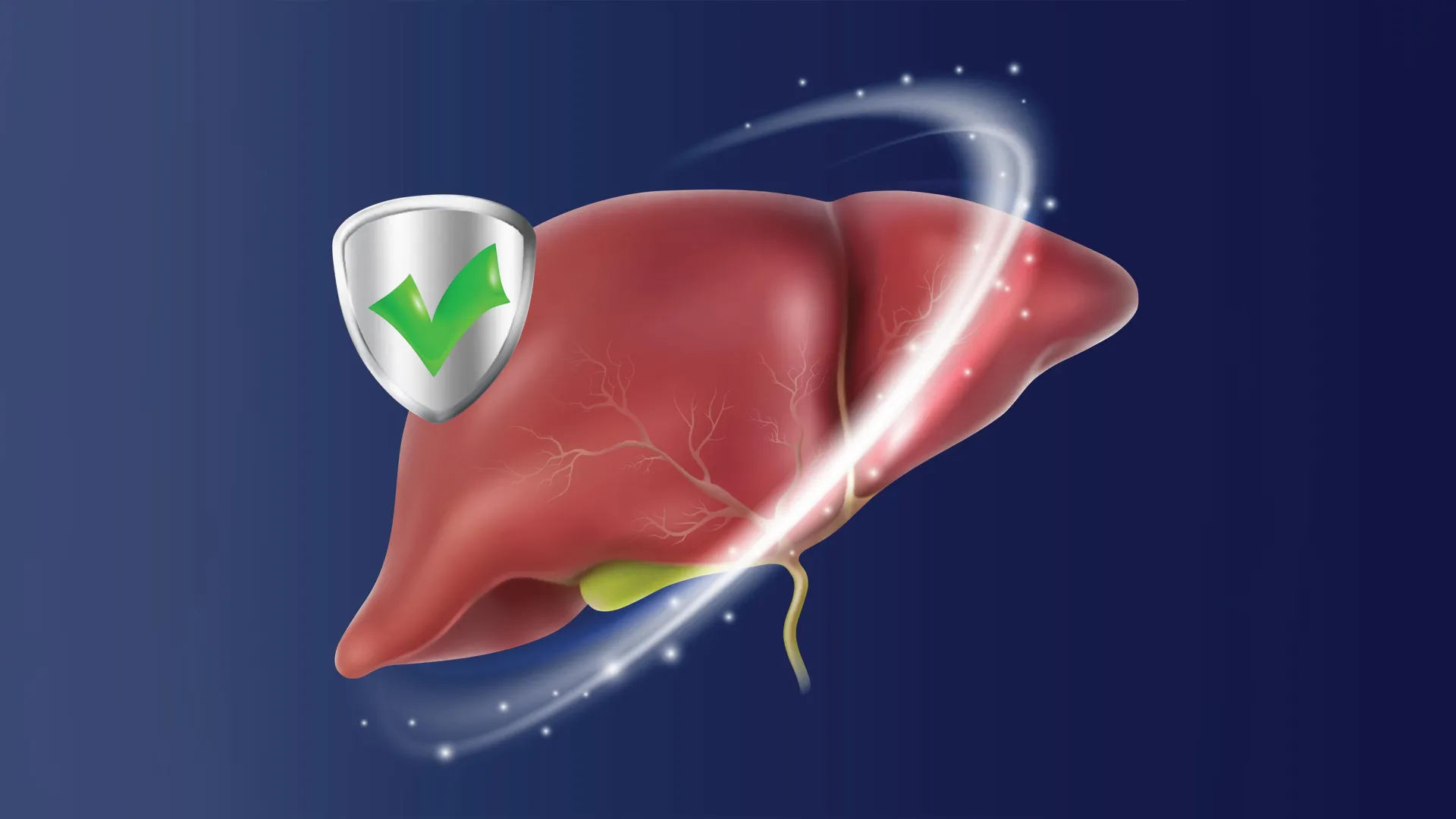
The intricate architecture of the small intestine, crucial for nutrient assimilation and overall well-being, can be compromised by disease or ischemic events, necessitating surgical intervention. Radical small bowel resection, a procedure involving the removal of compromised intestinal segments, is a life-saving measure that, however, frequently precipitates a cascade of adverse health consequences, predominantly affecting the liver. A significant proportion of patients, estimated to be as high as 15%, subsequently experience debilitating liver dysfunction, ranging from chronic damage to end-stage liver failure, often culminating in the need for a liver transplant. Regrettably, current medical practice lacks a specific pharmaceutical intervention capable of averting or effectively managing this post-operative hepatic sequela.
In a groundbreaking development emerging from the Washington University School of Medicine in St. Louis, researchers have engineered and rigorously evaluated a novel chemical entity in preclinical murine models. The compelling findings from this investigation suggest that this experimental compound possesses a dual-action capability: it not only confers significant protection upon the liver but also markedly improves the body’s capacity to absorb vital nutrients following intestinal resection. A key attribute of this therapeutic agent is its localized action within the gastrointestinal tract, a characteristic that theoretically minimizes the potential for unintended systemic side effects, thereby enhancing its safety profile. The comprehensive details of this seminal study were published on March 6th in the esteemed journal Gastroenterology.
"Our overarching objective is to pioneer a therapeutic drug that can steadfastly preserve hepatic function and substantially diminish the reliance on liver transplantation for individuals who have undergone surgery on their small intestine," articulated Gwendalyn Randolph, PhD, the senior author of the research and a distinguished figure in immunology, holding the Emil R. Unanue Distinguished Professorship in the Department of Pathology & Immunology at WashU Medicine. "This investigation lays a robust foundation and presents an exceptionally promising trajectory for the development of such a critical treatment modality."
The Complexities of Short Bowel Syndrome and Its Long-Term Hepatic Repercussions
A significant cohort of patients requiring small bowel resection includes extremely premature infants afflicted with necrotizing enterocolitis, a severe intestinal pathology that mandates the excision of irreversibly damaged intestinal tissue. The aftermath of such surgical procedures often leads to the development of short bowel syndrome (SBS), a debilitating condition characterized by a truncated intestinal length that severely impairs the efficient absorption of nutrients. Pediatric patients diagnosed with SBS frequently require protracted reliance on parenteral nutrition, delivered via indwelling intravenous catheters and infusion pumps. While indispensable for survival and growth, this method of nutritional support can impose an additional and significant burden on the liver. Consequently, these vulnerable patients are at an elevated risk of developing progressive liver disease, and in a substantial number of cases, may ultimately require a liver transplant to sustain life.
Deciphering the Nexus: Gut Microbiota, HDL Cholesterol, and Hepatic Resilience
The late Brad Warner, MD, a pioneering pediatric surgeon and dedicated researcher at WashU Medicine, devoted a substantial portion of his career to optimizing clinical outcomes for children grappling with short bowel syndrome. In a pivotal 2021 study, conducted in collaboration with Dr. Randolph, researchers elucidated a critical biological pathway: certain metabolites produced by the gut microbiota, upon translocating to the liver subsequent to intestinal surgery, can incite inflammatory responses and inflict cellular damage. Crucially, this same research also revealed that high-density lipoprotein (HDL), commonly referred to as "good" cholesterol, plays a protective role in the liver by actively inhibiting the detrimental effects of these microbial-derived toxins. This discovery provided a vital clue in understanding the mechanisms underlying post-surgical liver injury and offered a potential target for therapeutic intervention.
A Precision-Targeted Approach: Intestinal Action Without Systemic Disruption
Leveraging these profound insights, the research team strategically focused their efforts on a class of compounds known as liver X receptor (LXR) agonists. These molecules are known to upregulate the production of HDL in both the liver and the intestinal tissues. However, earlier generations of LXR agonists were characterized by their broad systemic activity, leading to a spectrum of undesirable side effects that hampered their clinical utility. To circumvent this significant limitation, the scientists ingeniously designed and evaluated a "gut-restricted" analogue, engineered to exert its pharmacological effects exclusively within the intestinal lumen. This sophisticated compound, initially identified by a pharmaceutical entity but never advanced to clinical development, was meticulously synthesized for the present study by Bahaa Elgendy, PhD, an associate professor of anesthesiology at WashU Medicine with extensive expertise in medicinal chemistry.
The administration of this novel compound, designated WUSTL0717, via oral gavage to laboratory mice demonstrated its intended localized activity. Crucially, the drug remained confined to the gastrointestinal tract, effectively avoiding systemic dissemination and thereby mitigating the risk of off-target effects throughout the body.
Quantifiable Improvements: Enhanced Nutrient Assimilation and Mitigation of Weight Loss
A key clinical manifestation of short bowel syndrome is severe post-operative weight loss, directly attributable to impaired nutrient absorption. The research team therefore rigorously assessed the efficacy of WUSTL0717 in counteracting this detrimental consequence. In their experimental model, mice treated with WUSTL0717 three weeks post-surgery exhibited significantly improved nutrient absorption and demonstrated a more robust gain in body weight compared to their untreated counterparts, underscoring the compound’s potential to restore critical physiological functions.
Histological Evidence of Liver Protection: Reduced Fibrosis and Preserved Hepatic Architecture
Beyond its impact on nutrient absorption, the study provided compelling histopathological evidence of WUSTL0717’s hepatoprotective capabilities. Treated mice displayed a marked reduction in hepatic fibrosis, a pathological process characterized by the excessive deposition of scar tissue that progressively impairs liver function. Quantitative analysis revealed substantially lower levels of collagen, a primary structural component of fibrotic tissue, in the livers of mice that received WUSTL0717 compared to those in the control groups, including a sham surgery group where the intestine was manipulated but not resected. Furthermore, molecular analyses indicated a significant downregulation in the expression of genes intrinsically linked to fibrogenesis, including those encoding for collagen synthesis, within the livers of the treated animals.
"Our forward-looking strategy is to engineer the next generation of highly targeted, tissue-specific therapeutic agents that can deliver maximal therapeutic benefit while simultaneously minimizing any inadvertent systemic repercussions," stated Dr. Elgendy, emphasizing the paradigm shift towards precision medicine. "This meticulously designed, precision-based approach enables us to revisit and harness the therapeutic potential of biological targets that were previously deemed too challenging to develop safely due to their systemic liabilities."
Charting a Course Towards Clinical Translation: Next Steps and Future Directions
Recognizing the profound clinical significance of these preclinical findings, the research team has proactively filed a patent application through WashU’s Office of Technology Management (OTM) to protect the intellectual property surrounding the use of WUSTL0717 for the treatment of short bowel syndrome. Future research endeavors will focus on evaluating the compound’s sustained efficacy in patient populations who are also receiving concurrent intravenous nutrition, a therapeutic modality that can exacerbate hepatic stress.
"The current paucity of effective therapeutic options for individuals suffering from short bowel syndrome carries profound and far-reaching implications for their long-term health and quality of life," remarked Colin A. Martin, MD, the Brad and Barbara Warner Endowed Professor of Surgery at WashU Medicine and a co-author of the study. "These preclinical findings represent a monumental stride forward in our collective pursuit of a therapeutic intervention that not only safeguards liver function but also optimizes nutrient absorption, thereby significantly enhancing the well-being of patients affected by short bowel syndrome." This comprehensive research initiative was generously supported by multiple grants from the National Institutes of Health, the Children’s Discovery Institute, and the Foundation for Barnes-Jewish Hospital, underscoring the collaborative and well-funded nature of this critical scientific undertaking. Furthermore, the authors have disclosed potential conflicts of interest related to an intellectual property claim concerning the use of intestinal LXR agonists for the treatment of SBS.
About the Author