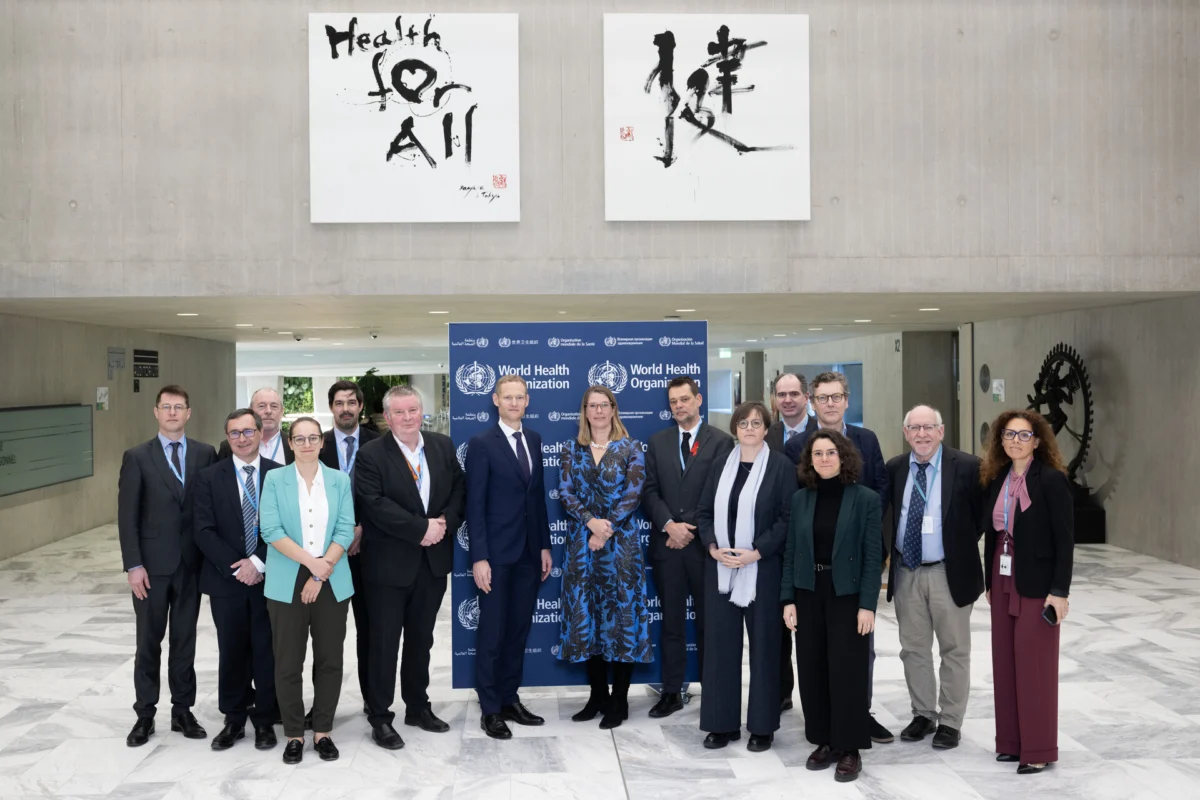
In a critical three-day strategic dialogue, high-level representatives from Belgium and the World Health Organization convened to critically assess their established collaboration and delineate a progressive roadmap for intensified joint efforts in global health. This significant engagement served as a platform for an exhaustive review of past achievements and a proactive planning session, aiming to synchronize Belgium’s development cooperation objectives with the WHO’s overarching strategic imperatives amidst a dynamic global health environment. The discussions spanned a comprehensive array of pressing global health issues, signaling a mutual commitment to fortifying health systems worldwide and ensuring equitable access to vital medical resources.
The Belgian delegation, led by Ambassador H.E. Christophe Payot, Belgium’s Permanent Representative to the United Nations and other international organizations in Geneva, articulated the nation’s steadfast dedication to multilateral health initiatives. This extensive representation included not only officials from the federal government but also key figures from the Flemish and Walloon regional governments, underscoring a unified national approach to international health diplomacy. From the WHO’s side, the dialogue benefited from the insights of senior leadership and specialized technical experts drawn from its Headquarters, alongside crucial contributions from its Regional Offices for Africa and Europe, reflecting the organization’s global operational scope. The convergence of these diverse perspectives facilitated a robust exchange on strategic alignment, particularly in light of global health themes championed during Belgium’s 2024 presidency of the Council of the European Union.
A cornerstone of the renewed partnership centers on advancing Universal Health Coverage (UHC) and the concomitant strengthening of health systems. UHC, a fundamental principle championed by the WHO, envisions a world where all people have access to the health services they need, when and where they need them, without financial hardship. Achieving this ambitious goal necessitates robust primary healthcare infrastructure, comprehensive service delivery, and equitable access to essential medicines and technologies. The dialogue saw a detailed review of progress made under the UHC-Partnership framework, a critical initiative supported by Belgium from 2021 to 2024. This review specifically highlighted tangible outcomes achieved in Belgium’s designated partner countries, where collaborative programs have been instrumental in bolstering local health capacities.
Discussions delved into practical country-level implementation, with the Democratic Republic of Congo cited as a key example where the partnership has navigated complex health challenges. The Belgian delegates gained insights into the intricacies of WHO’s operational strategies on the ground, exploring opportunities for seamless integration between WHO country office programs and Belgium’s bilateral cooperation efforts. A significant focus was placed on mental health services within the primary healthcare context, recognizing its crucial, yet often overlooked, role in achieving comprehensive UHC. This segment of the dialogue underscored the imperative for a holistic approach to health, acknowledging that physical and mental well-being are inextricably linked. The overarching vision for UHC and resilient health systems is poised to be a central pillar of the WHO’s upcoming 14th General Programme of Work (GPW14), with Belgium’s continued support playing a vital role in its realization.
Another critical area of focus was the persistent challenge of equitable access to essential vaccines, medicines, and health technologies. The global COVID-19 pandemic starkly illuminated existing disparities in access, reinforcing the urgency of collaborative solutions. The "Access to Medicines" program, a significant initiative funded by Belgium, underwent a thorough assessment during the dialogue. WHO experts provided a comprehensive overview of its operational strategies and the inherent complexities, showcasing its impact through a specific case study from Senegal. This example illustrated how WHO’s efforts translate into tangible improvements in healthcare delivery at the national level, fostering self-reliance and improving public health outcomes.

Beyond immediate interventions, the partners engaged in a forward-looking discussion on WHO’s broader policies aimed at fostering equitable access, including strategies for promoting local production of health commodities. The concept of "market shaping" emerged as a pivotal mechanism to ensure the long-term sustainability and success of access initiatives. By strategically influencing pharmaceutical markets, the partnership aims to create an environment where essential health products are not only available but also affordable and consistently supplied, thereby mitigating future crises. This shared objective underscores a commitment to systemic change rather than merely reactive solutions, aiming to build resilient supply chains and reduce dependency on external markets.
The imperative of strengthening global health security and capabilities for pandemic prevention, preparedness, response, and resilience (PPR) featured prominently in the agenda. The dialogue acknowledged the lessons learned from recent global health crises and the ongoing efforts to construct a more robust international framework for addressing future threats. This included in-depth conversations surrounding the ongoing negotiations for a new pandemic agreement, a landmark international instrument designed to enhance global cooperation and equity during health emergencies. Furthermore, the "One Health" approach, which recognizes the interconnectedness of human, animal, and environmental health, was emphasized as a foundational strategy for preventing zoonotic diseases and mitigating biological risks.
WHO’s extensive field operations in health emergency response were vividly demonstrated through an update on its activities in Gaza, providing a stark reminder of the organization’s critical role in conflict zones and humanitarian crises. This segment brought to light the practical challenges and profound impact of WHO’s work in real-world emergency settings. The discussions also broadened to encompass the accelerating threats posed by various biological risks and emerging zoonoses, highlighting the multifaceted nature of global health security. WHO outlined its proactive engagement strategies, particularly in risk mitigation, emphasizing the importance of surveillance, early warning systems, and rapid response mechanisms to contain potential outbreaks before they escalate into global emergencies.
Beyond these overarching pillars, the strategic dialogue also encompassed other vital areas of collaboration where Belgium’s support has been instrumental. Progress in programs addressing Neglected Tropical Diseases (NTDs) was reviewed, acknowledging the disproportionate burden these diseases place on vulnerable populations and the ongoing efforts to eliminate them. Similarly, initiatives focused on Sexual, Reproductive Health and Rights (SRHR) were discussed, reaffirming the importance of comprehensive reproductive healthcare services as a fundamental human right and a cornerstone of gender equality. In both these areas, the partners underscored the critical importance of an evidence-based approach, ensuring that interventions are informed by robust data and research to maximize their impact and efficiency.
The sincere appreciation for Belgium’s steadfast commitment resonated throughout the dialogue. Dr. Catharina Boehme, Assistant Director-General for External Relations and Governing Bodies at WHO, expressed profound gratitude for Belgium’s "support, honesty, and strong engagement for global health." She highlighted the tangible impact of Belgium’s contributions, specifically citing their "efforts in supporting our work in Mozambique and Senegal" as "clear examples of the crucial work we accomplish together." This sentiment was reciprocated by the Belgian delegation. Mr. Koen Van Acoleyen, Minister Counselor at the Permanent Representation of Belgium to the UN, reflected on the enhanced understanding gained from WHO leaders and experts regarding their navigation of "challenging times," expressing honor in "walking this road together."
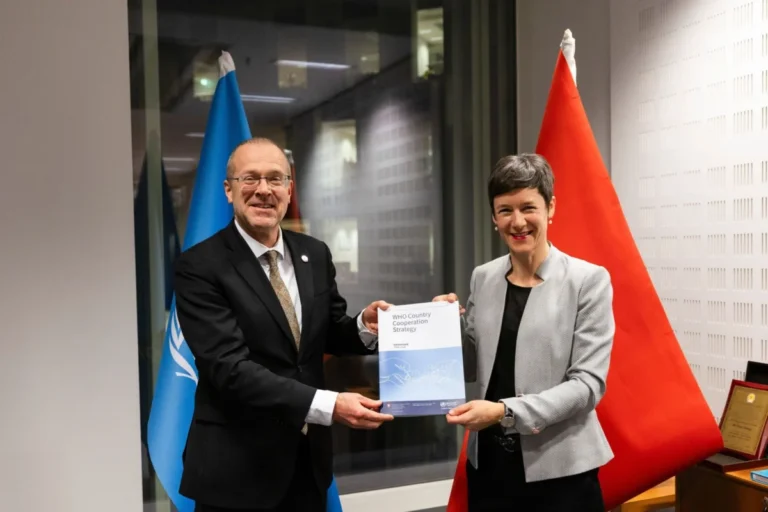
Looking ahead, the dialogue culminated in a shared vision for future collaboration, laying the groundwork for a renewed multi-year agreement and a more integrated WHO-Belgium Country Cooperation Strategy. This forward-looking framework is designed to align seamlessly with the ambitions of the WHO’s 14th General Programme of Work (GPW14), ensuring that UHC and health systems strengthening remain central to global health prioritization. Mr. Dirk Brems, Director of Thematic and Multilateral Cooperation at Belgium’s Directorate-General Development Cooperation and Humanitarian Aid, articulated Belgium’s trust in WHO as a "trustworthy partner in global health." He conveyed pride in the recognition of Belgium’s "crucial" support and its "positive impact at country, regional, and global levels," emphasizing the necessity of ongoing discussions as the international community navigates "uncharted territories." His closing remarks reinforced Belgium’s eager anticipation of continued collaboration for "strong and sustained multilateralism," underscoring the enduring power of international partnerships in confronting complex global health challenges. The strategic dialogue thus cemented a revitalized alliance, poised to deliver significant advancements in global health outcomes for years to come.
About the Author