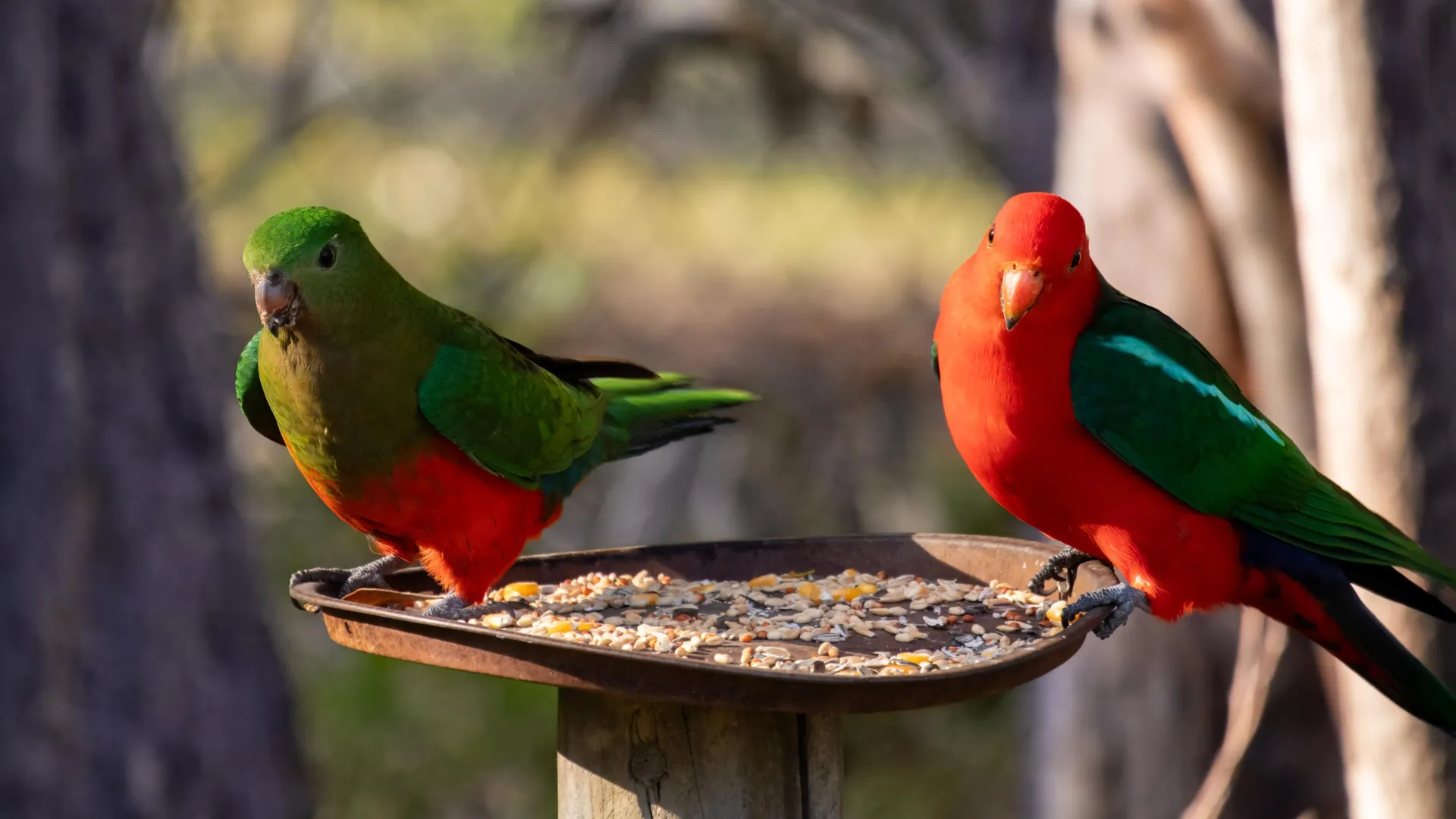
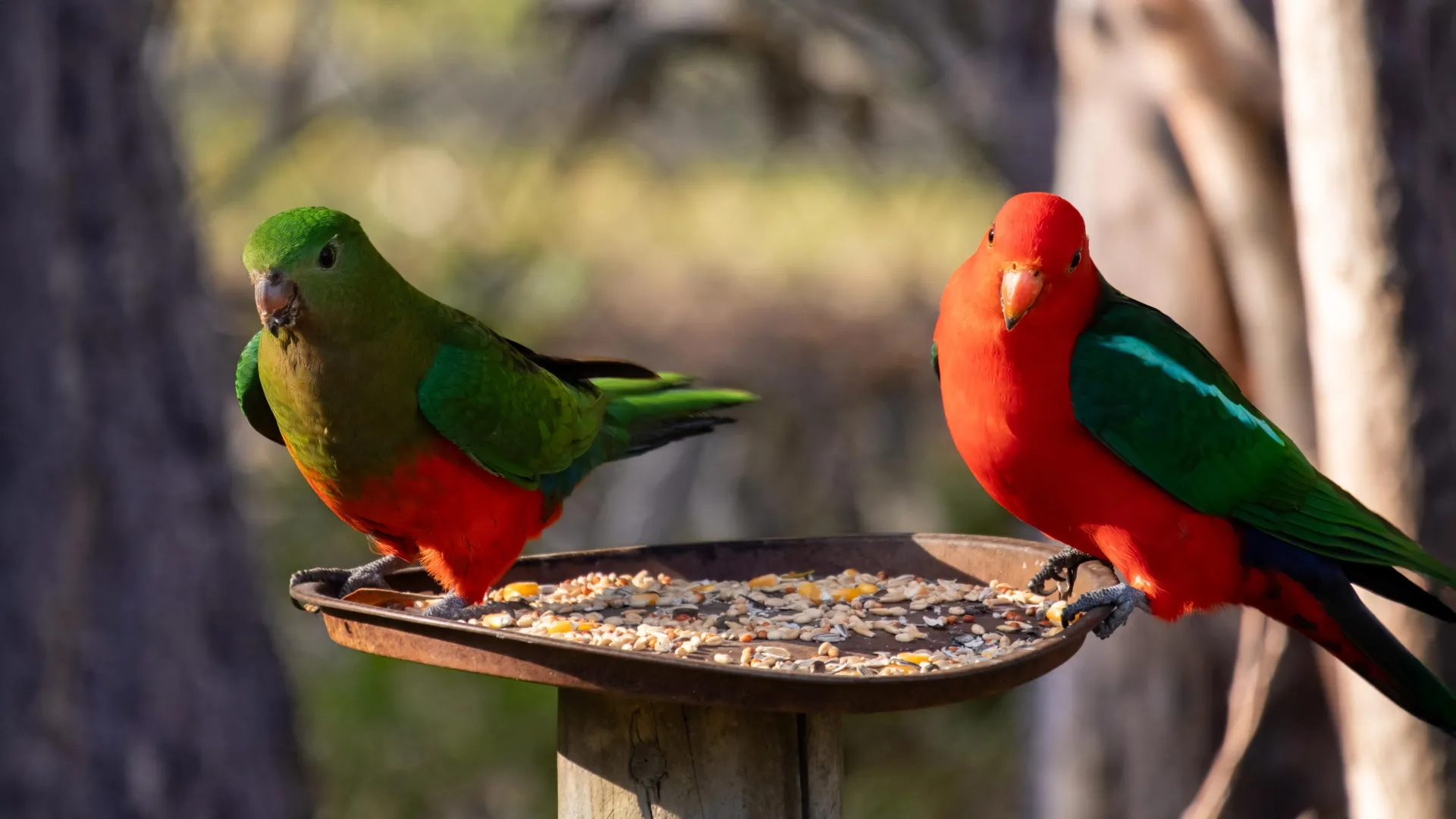
Australia faces an unprecedented ecological challenge as the highly pathogenic H5N1 strain of avian influenza, commonly known as bird flu, continues its alarming spread across the continent, threatening both indigenous wildlife populations and raising public health concerns. This virulent disease, responsible for devastating outbreaks among bird and mammal species globally, has now established a foothold in Australian ecosystems, with recent events highlighting its severe potential. A significant factor often overlooked in disease transmission, yet prevalent across the nation, is the widespread practice of supplementary feeding of wild birds in residential areas. While motivated by a desire to connect with nature, this seemingly innocuous pastime inadvertently creates environments ripe for the rapid dissemination of pathogens like H5N1, transforming domestic gardens into potential "superspreader" locations.
The H5N1 subtype of avian influenza is not a new phenomenon, having first emerged as a serious threat in the late 1990s. However, the current global panzootic wave, which began around 2020, represents an evolution in its virulence and transmissibility, causing widespread mortality in wild bird populations and unprecedented spillover events into mammalian species across multiple continents. This particular strain is characterized by its ability to cause severe illness and high fatality rates in infected birds. For Australia, long considered relatively isolated from the most aggressive forms of avian influenza, the recent detection signifies a critical juncture. The identification of H5N1 in over a thousand crested terns and, notably, a long-nosed fur seal marks a grim milestone, representing the first confirmed case in a mainland Australian mammal. This incident underscores the virus’s capacity to cross species barriers and highlights the complex ecological risks now present within the country’s unique biodiversity.
Backyard bird feeding is a deeply ingrained activity for a substantial portion of the Australian populace. Research indicates that approximately half of all Australian households engage in feeding wild birds, with many individuals dedicating time daily to this practice. The motivations behind such actions are varied and often altruistic: people seek to provide sustenance, particularly during perceived lean times, to foster a connection with nature, or simply to enjoy the vibrant presence of avian visitors. Many participants genuinely believe they are offering beneficial support to their feathered neighbors, often developing a deep sense of care for these wild creatures. This cultural affinity, however, now collides with the stark realities of avian influenza epidemiology, compelling a critical re-evaluation of these well-intentioned interactions.
The primary concern stemming from supplementary feeding lies in its creation of unnatural congregation points. In their natural habitats, wild birds typically forage across broader areas, maintaining greater distances from one another, which inherently limits direct physical contact and, consequently, disease transmission. When food sources are concentrated in a small area, such as a bird feeder or a designated feeding patch, birds of various species are drawn together in numbers and proximity that would rarely occur organically. This artificial density drastically increases the opportunities for viral exchange. A single infected bird visiting a feeder can shed the virus onto food, water, or surfaces, which can then be picked up by numerous other susceptible birds. This dynamic transforms a benign backyard setup into an epidemiological "transmission hotspot," where pathogens can rapidly amplify and spread.
The implications of such transmission hotspots extend beyond individual birds. Australia is home to an extraordinary array of endemic species, many of which are already facing threats from habitat loss, climate change, and other anthropogenic pressures. The introduction and spread of a highly lethal pathogen like H5N1 could be catastrophic for vulnerable populations. Species like the critically endangered orange-bellied parrot, with its small population size and restricted range, could be pushed to the brink of extinction by even a localized outbreak. Moreover, the virus’s ability to infect scavenger species, such as possums, red foxes, and crows, further complicates the ecological picture. These animals, by consuming the carcasses of infected birds, can contract the virus, becoming potential carriers themselves and broadening the scope of its circulation within the ecosystem. The long-nosed fur seal death is a stark illustration of this spillover risk, likely resulting from the consumption of infected marine birds.
While human infection with the H5N1 strain currently circulating is considered rare, and typically results in mild symptoms when it does occur, the zoonotic potential of avian influenza cannot be entirely dismissed. Individuals in close, prolonged contact with infected wildlife, such as wildlife carers, veterinarians, and those working in poultry industries, face a higher, albeit still low, risk. The primary concern from a public health perspective is the virus’s capacity for mutation. Should the virus acquire mutations that enhance its ability to transmit between humans, the public health consequences could be severe, echoing the lessons learned from past influenza pandemics. Vigilant surveillance and proactive measures to control its spread in animal populations are therefore critical safeguards for both wildlife and human health.
Given the escalating H5N1 crisis and the demonstrated risks associated with backyard bird feeding, a paradigm shift in how people interact with wild birds is urgently required. The most effective and recommended strategy to mitigate the risk of disease transmission is to cease providing supplementary food to wild birds altogether. Scientific research consistently shows that most birds visiting feeders obtain the majority of their nutritional requirements from natural sources, such as insects, seeds, and worms found in their environment. The food offered by humans often serves as a supplement or a "snack" rather than an essential meal, implying that birds are well-equipped to find sustenance independently. By eliminating artificial food sources, residents reduce the incentives for birds to congregate unnaturally, thereby diminishing the opportunities for viral spread.
For those who are deeply committed to maintaining a connection with wild birds and find it difficult to discontinue feeding, stringent precautionary measures become absolutely vital. These measures are designed to minimize the very conditions that foster disease transmission:
- Reduce Food Volume and Frequency: Instead of keeping feeders perpetually full, offer significantly less food. This discourages large numbers of birds from gathering simultaneously and spending extended periods in close proximity. Much like "social distancing" protocols adopted during human pandemics, reducing the density and duration of interactions among birds can significantly lower the likelihood of viral exchange.
- Eliminate Hand-Feeding: While the intimate act of a bird taking food directly from one’s hand can be a rewarding experience, it presents an unnecessary and direct avenue for potential pathogen transfer. Direct physical contact with wild birds should be avoided entirely to minimize any theoretical risk of zoonotic transmission to humans, as well as to prevent habituation that can make birds overly reliant on human presence.
- Prioritize Rigorous Hygiene: If feeders and bird baths are maintained, their cleanliness is paramount. All feeding surfaces, containers, and equipment must be cleaned thoroughly and regularly. A recommended protocol involves using a diluted domestic bleach solution (e.g., one part bleach to nine parts water) followed by rinsing with clean water. This cleaning regimen should be performed daily or every second day, especially if multiple birds are observed using the feeders. Contaminated surfaces are known fomites, capable of harboring viable virus particles, so meticulous sanitation is crucial to break transmission chains. Proper personal protective equipment, such as gloves, should be worn during cleaning to prevent direct contact with potentially contaminated surfaces.
Beyond direct feeding, other forms of interaction also warrant consideration. Bird baths, while beneficial for providing water, can also become points of congregation and contamination. These too require daily cleaning and fresh water. Creating a bird-friendly garden through native plantings that offer natural food sources (nectar, seeds, insects) and shelter provides a more ecologically sound way to support avian biodiversity without the associated disease risks of artificial feeding stations.
The current H5N1 crisis demands a collective and responsible response from the public. While the desire to nurture and appreciate wild birds is understandable, the potential for well-intentioned actions to exacerbate a deadly disease outbreak must be recognized. Adjusting backyard practices, particularly regarding bird feeding, represents a tangible and impactful step individuals can take to protect Australia’s precious wildlife and contribute to broader public health efforts.
In the event of encountering sick or deceased birds or marine mammals, it is imperative not to touch them. Record the precise location, capture photographs from a safe distance, ensure pets are kept away from the specimen, and immediately report the sighting to the Emergency Animal Disease Hotline on 1800 675 888 within Australia. Rapid reporting is essential for effective surveillance and response to contain the spread of this formidable pathogen.
About the Author