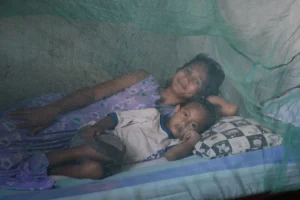
The global health community, spearheaded by the World Health Organization (WHO), marked its 77th anniversary on April 7, 2025, with an extensive worldwide mobilization dedicated to the critical theme of "Healthier beginnings, hopeful futures." This pivotal observance of World Health Day transcended a mere commemorative event, evolving into an urgent, coordinated appeal to protect and fortify essential maternal and newborn health services across the globe. With over 100 WHO country and regional offices actively participating, the initiative brought together a diverse coalition of stakeholders, including sovereign states, local communities, frontline healthcare providers, philanthropic entities, and non-governmental organizations, all united by a shared commitment to ensuring the well-being of mothers and their infants.
The overarching impetus behind this unprecedented global advocacy drive stems from a deepening concern over the precarious state of funding within the global health sector. Reports from various United Nations agencies have consistently highlighted a looming crisis, warning that significant aid cuts and reallocated resources are imperiling fragile gains made in reducing preventable maternal and neonatal deaths. This financial instability threatens to unravel decades of progress, potentially leading to a severe regression in health outcomes for some of the world’s most vulnerable populations. World Health Day 2025 served as a powerful platform to amplify these warnings, urging policymakers and international partners to re-evaluate their investment priorities and stave off a potential humanitarian setback.
The theme, "Healthier beginnings, hopeful futures," encapsulates a holistic vision for maternal and newborn care, extending beyond the immediate perinatal period to encompass the entire continuum of a woman’s reproductive life and a child’s early development. It emphasizes that robust health interventions during pregnancy, childbirth, and the postnatal phase are not merely medical necessities but foundational investments in the societal fabric. Healthy mothers are more likely to raise healthy children, who in turn contribute to more resilient families, stronger communities, and more productive nations. The campaign launched on this World Health Day is designed to be a year-long endeavor, aiming to embed this comprehensive perspective into national health strategies and global development agendas.
Over recent decades, concerted global efforts, largely driven by the Millennium Development Goals (MDGs) and subsequently the Sustainable Development Goals (SDGs), yielded remarkable reductions in maternal and child mortality rates. Innovations in medical science, improved access to skilled birth attendants, expanded immunization programs, and enhanced public health infrastructure collectively contributed to saving millions of lives. However, this progress has been uneven, and many low- and middle-income countries continue to grapple with disproportionately high rates of maternal and neonatal mortality, often exacerbated by systemic inequities, geographic isolation, and socio-economic challenges. The current climate of reduced international development assistance and shifting domestic budgetary priorities threatens to widen these existing disparities and reverse hard-won achievements.
The financial vulnerabilities impacting the global health sector are multifaceted. Global economic slowdowns, compounded by the fiscal burdens of recent pandemics and geopolitical instability, have led many donor nations to re-evaluate their overseas development aid (ODA) commitments. Concurrently, national governments in recipient countries often face competing demands on limited public funds, making it challenging to sustain or increase investments in health services, particularly those perceived as "long-term" rather than "immediate crisis" interventions. This convergence of factors creates a perilous environment for essential services like prenatal check-ups, safe delivery facilities, postnatal care, and newborn screenings – services that are fundamental to preventing complications and ensuring healthy starts. The tangible consequences include shortages of essential medicines and medical equipment, reduced training opportunities for healthcare personnel, and the erosion of vital referral systems that link primary care facilities with higher-level hospitals.
In response to this critical situation, WHO’s global network orchestrated a diverse array of activities tailored to local contexts while upholding a unified message. In the African Region, for instance, advocacy actions frequently centered on strengthening primary healthcare systems, expanding access to skilled birth attendance in rural and remote areas, and integrating maternal health services with programs addressing prevalent infectious diseases like HIV/AIDS and malaria. These initiatives often involved community health workers as crucial conduits for information and basic care delivery, emphasizing local empowerment and culturally sensitive approaches.
Across the WHO Region of the Americas, where the Pan American Health Organization (PAHO) plays a pivotal role, the World Health Day activities often focused on reducing health inequities, particularly among indigenous populations and marginalized communities. A notable example from Chile highlighted this localized approach: Giovanni Escalante Guzmán, the PAHO/WHO Chile Country Representative, engaged in a significant dialogue with Mapuche leader Juana Cheuquepan on April 7, 2025. Their discussion, framed around "mother and newborn health as the basis for healthy families and communities," underscored the importance of integrating traditional knowledge and community leadership with modern medical practices to create truly sustainable and culturally appropriate health solutions. This specific interaction served as a powerful illustration of how global health mandates can be translated into meaningful, local action that respects and empowers diverse cultural identities.
Similar, context-specific engagements unfolded across other WHO regions. In the Eastern Mediterranean, activities often addressed the profound impact of conflict and displacement on maternal and child health, advocating for humanitarian aid that prioritizes reproductive health services in crisis zones. European Region offices focused on ensuring equitable access to high-quality care for diverse populations, including migrants and refugees, and strengthening health system resilience against future shocks. In the South-East Asia Region, where high population density and environmental factors pose unique challenges, initiatives often emphasized community-based health education, nutrition programs, and addressing gender-based barriers to care. The Western Pacific Region, encompassing numerous island nations, highlighted the imperative of climate-resilient health infrastructure and ensuring continuity of care in geographically dispersed communities.
The collective response generated by these worldwide actions was intended to create a resounding echo of the global call issued by various UN agencies, which has consistently raised alarms about the potential backsliding of maternal and newborn health indicators. This potential regression is not merely statistical; it represents immense human suffering, increased societal burdens, and a direct threat to achieving the broader Sustainable Development Goals, particularly those related to poverty eradication, gender equality, and education. When mothers and infants are healthy, communities thrive; conversely, when these fundamental health indicators falter, the ripple effects are felt across all sectors of society.
In light of these pressing concerns, the World Health Organization is issuing a robust appeal to governments and the broader health community. The first imperative is to significantly intensify efforts aimed at eradicating all preventable maternal and newborn deaths. This requires not only sustained financial investment but also a commitment to strengthening health systems, ensuring universal access to skilled birth attendants, providing comprehensive emergency obstetric and neonatal care, and expanding access to vital pre- and postnatal services. The second, equally critical, call is to prioritize women’s longer-term health and overall well-being. This extends beyond the immediate reproductive period to encompass adolescent health, access to family planning, mental health support, screening for non-communicable diseases, and robust protection against gender-based violence. A lifecycle approach to women’s health recognizes that a woman’s health trajectory influences her capacity to have a healthy pregnancy and nurture a healthy child, thereby shaping the health of future generations.
As the year-long campaign unfolds, the global health community anticipates that this renewed focus will galvanize political will and resource mobilization. The stakes are profoundly high: the futures of countless mothers and children depend on a collective commitment to ensuring that healthier beginnings are not just a hopeful aspiration but a tangible reality for all, irrespective of geography, socioeconomic status, or cultural background. The World Health Day 2025 serves as a powerful reminder that investing in maternal and newborn health is not merely a healthcare expenditure but a fundamental investment in humanity’s collective future.
About the Author