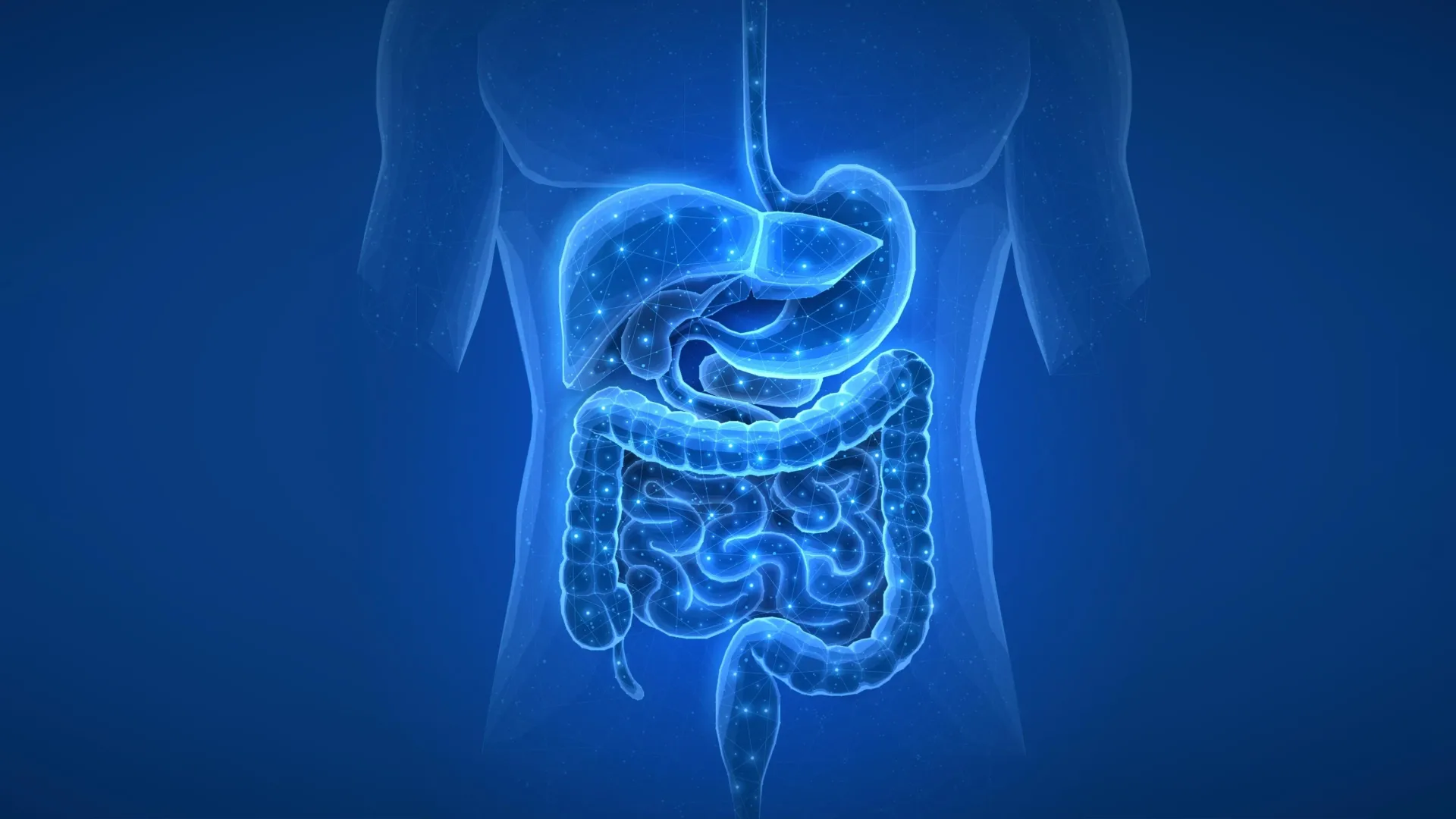
The intricate ecosystem residing within the human digestive tract, known as the gut microbiome, plays a pivotal role in maintaining overall health, influencing everything from nutrient absorption and metabolic regulation to immune system development and even neurological function. This vast and diverse community of bacteria, fungi, viruses, and other microorganisms is constantly shaped by an array of factors, including diet, lifestyle, and current therapeutic interventions. However, a groundbreaking study originating from the University of Tartu Institute of Genomics in Estonia has unveiled a previously underappreciated dimension to this complex interplay: the enduring impact of medications on the gut’s microbial inhabitants, persisting for years after a person discontinues their use.
This significant research challenges conventional assumptions, suggesting that a comprehensive understanding of an individual’s gut microbiome—and its implications for health and disease—must extend beyond their present medical regimen to encompass their historical pharmaceutical exposures. The findings underscore that the biological footprints of past treatments can leave detectable microbial alterations long after the prescription has ceased, fundamentally reshaping the investigative landscape for microbiome scientists and clinicians alike.
The study, a comprehensive and systematic evaluation of long-term medication effects, leveraged the extensive data available through the Estonian Biobank, specifically drawing from the Estonian Microbiome cohort. Researchers meticulously analyzed stool samples and corresponding prescription records from more than 2,500 participants. This substantial dataset allowed for an unprecedented exploration of associations between a wide spectrum of commonly prescribed drugs and variations observed within the gut microbial community. What emerged was a compelling pattern: a majority of the medications scrutinized demonstrated discernible associations with specific differences in the gut microbiome. More strikingly, for a considerable number of these pharmaceutical agents, these microbial distinctions remained detectable even several years subsequent to the discontinuation of the drug.
Traditionally, the profound disruptive capabilities of antibiotics on gut bacterial populations have been widely acknowledged. These agents, designed to combat bacterial infections, often indiscriminately eliminate beneficial microbes alongside pathogenic ones, leading to immediate and sometimes prolonged shifts in microbial composition. The Estonian study, however, brought to light that this long-lasting influence is far from exclusive to antimicrobials. A diverse array of other widely used medications, including various classes of antidepressants, cardiovascular beta-blockers, acid-reducing proton pump inhibitors (PPIs), and anxiolytic benzodiazepines, were also strongly correlated with distinct microbial "signatures" or patterns within the gut.
Dr. Oliver Aasmets, the lead author of this pivotal research, emphasized the paradigm shift these findings represent. "Most microbiome studies typically focus solely on current medications," Dr. Aasmets noted, "but our results clearly demonstrate that an individual’s past drug usage can be equally, if not more, significant, proving to be a remarkably potent determinant in explaining personalized microbiome variations." This revelation suggests that any inquiry into the intricate connections between the gut microbiome and various disease states must now consider a person’s entire medication history, extending potentially months or even years into the past, as these historical exposures could still be shaping the microbial landscape observed in contemporary biological samples.
Among the most surprising and impactful discoveries was the robust association between benzodiazepines and the gut microbiome. These psychoactive medications, frequently prescribed for conditions such as anxiety disorders, insomnia, and seizure control, exhibited microbial associations comparable in strength to those typically observed with broad-spectrum antibiotics. This finding is particularly striking because benzodiazepines are not designed to directly target microbial life; their primary mechanism of action involves enhancing the effect of the neurotransmitter gamma-aminobutyric acid (GABA) in the brain. The profound microbial shifts observed suggest potential indirect pathways, such as alterations in gut motility, host metabolism, or even direct, though previously unrecognized, interactions with specific microbial species. The fact that a drug primarily affecting the central nervous system could leave such a pronounced and lasting imprint on the gut’s microbial residents underscores the deep and often bidirectional communication pathways between the brain and the gut.
Further complicating the picture, the investigation also revealed a crucial nuance regarding drug classification. The study demonstrated that medications belonging to the same pharmacological class did not necessarily exert identical effects on the microbiome. For instance, while both diazepam and alprazolam are benzodiazepines often prescribed for similar anxiety-related conditions, their apparent capacity to disrupt gut microbes differed significantly. This distinction holds considerable importance for microbiome research, where drugs are frequently grouped by their class for analytical purposes. The new evidence strongly advocates for a more granular approach, suggesting that individual drugs may require separate consideration due to their unique and potentially divergent impacts on the microbial ecosystem.
To further solidify the causal link between medication use and observed microbial changes, the researchers incorporated a longitudinal component into their study design. A smaller subset of participants provided follow-up stool samples, enabling the observation of microbial dynamics when individuals either initiated or ceased taking specific medications. These temporal analyses provided invaluable direct evidence: the starting or stopping of certain drugs was consistently accompanied by predictable shifts in gut microbial composition. This dynamic observation significantly bolsters the hypothesis that the medications themselves are directly responsible for at least a portion of the long-term microbial differences identified. Within this longitudinal cohort, the persistent effects linked to proton pump inhibitors, selective serotonin reuptake inhibitors (a widely used class of antidepressants), and certain antibiotic groups, such as penicillin combinations and macrolides, were specifically confirmed.
The cumulative results of this extensive study contribute significantly to the burgeoning body of evidence indicating that the gut microbiome is a far more complex historical record than previously understood. It reflects not only an individual’s current diet, lifestyle choices, prevailing health status, and ongoing medication use but also the biological echoes of past therapeutic interventions. These prior treatments, it appears, can leave biological imprints that remain detectable and influential long after the initial prescription period concludes.
Professor Elin Org, the corresponding author of the study, highlighted the methodological rigor and practical implications of their work. "This represents a truly comprehensive and systematic evaluation of the long-term effects of medications on the microbiome, utilizing real-world medical health records," Professor Org stated. "Our hope is that these findings will encourage both researchers and clinicians to consistently incorporate an individual’s complete medication history when interpreting microbiome data."
The practical ramifications of this research are profound. For the scientific community, accounting for an individual’s past pharmaceutical landscape could significantly enhance the accuracy of future microbiome studies. It could allow researchers to more precisely differentiate genuine microbiome changes associated with disease pathogenesis from those that are merely residual effects of medications taken in the distant past. This refined understanding could lead to more accurate diagnostic markers, better prognostic indicators, and a deeper insight into the true causal relationships between microbial dysbiosis and human health conditions. For clinicians, integrating medication history into patient assessment could inform personalized treatment strategies, potentially guiding drug selection or dietary interventions to mitigate adverse long-term microbial impacts. Ultimately, this pioneering work from the University of Tartu has unlocked a new dimension in our understanding of the human gut microbiome, revealing it as a living archive profoundly shaped by our pharmaceutical past, and paving the way for more nuanced and effective approaches to health and disease management.
About the Author