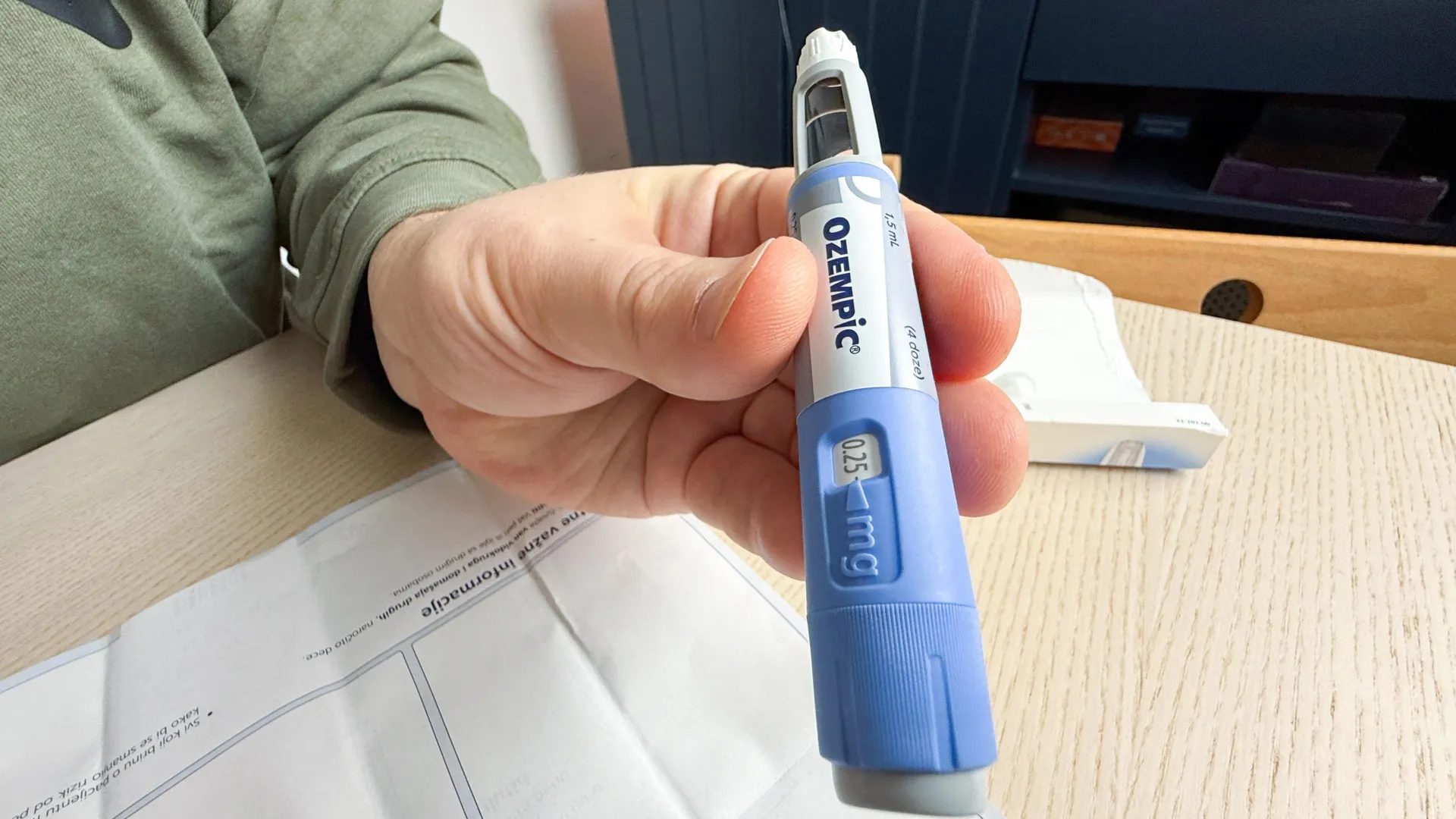
A recent extensive investigation into national health data from Sweden has unveiled a compelling association between the use of semaglutide, a medication belonging to the class of glucagon-like peptide-1 receptor agonists (GLP-1RAs), and a notable decrease in psychiatric hospitalization rates among individuals diagnosed with bipolar disorder. This discovery, spearheaded by researchers from Griffith University and published in Acta Psychiatrica Scandinavica, contributes a novel dimension to the understanding of these widely prescribed drugs, primarily known for their efficacy in managing type 2 diabetes and promoting weight loss. The findings suggest that certain GLP-1RAs might possess therapeutic capabilities extending beyond metabolic regulation, potentially influencing neurobiological pathways relevant to complex mood disorders.
Bipolar disorder represents a chronic and often debilitating mental health condition characterized by significant and fluctuating shifts in mood, energy, activity levels, and concentration. These episodes can range from periods of profound depression to phases of elevated, expansive, or irritable mood known as mania or hypomania. Globally, an estimated 37 million individuals, or approximately one in every 200 people, contend with bipolar disorder, according to the latest figures from the World Health Organization. The unpredictable nature of the illness and its profound impact on daily functioning often necessitate complex treatment regimens, frequently involving combinations of mood stabilizers, antipsychotics, and psychotherapy. Despite advancements in pharmacological interventions, managing the severe mood swings and preventing relapses remains a significant challenge for both patients and clinicians.
A critical aspect of bipolar disorder’s complexity is its frequent co-occurrence with other medical conditions, particularly metabolic disorders such as obesity and type 2 diabetes. This syndemic relationship is not merely coincidental; rather, it hints at shared underlying biological mechanisms, genetic predispositions, and the impact of lifestyle factors. Individuals with bipolar disorder often face a higher risk of developing obesity and diabetes, partly due to the illness itself, certain psychiatric medications that can cause metabolic side effects, and lifestyle choices influenced by mood episodes. This intricate interplay between mental and metabolic health underscores the importance of holistic treatment approaches and the search for therapies that might address both facets concurrently.
It is within this context that the potential psychiatric benefits of GLP-1RAs gain particular significance. These medications, which mimic the action of a natural hormone called GLP-1, primarily function by stimulating glucose-dependent insulin secretion, suppressing glucagon release, slowing gastric emptying, and promoting satiety. These actions lead to improved glycemic control and substantial weight reduction, making drugs like semaglutide (marketed as Ozempic and Wegovy), liraglutide (Victoza, Saxenda), and dulaglutide (Trulicity) cornerstones in the management of type 2 diabetes and obesity. However, the exact extent of their influence on neurological and psychiatric processes had remained largely unexplored until recently.
To delve into this emerging area, Professor Mark Taylor and his research team from Griffith’s School of Medicine and Dentistry embarked on an ambitious study leveraging the comprehensive nationwide health registries of Sweden. These registries provide an invaluable resource for epidemiological research, offering granular, longitudinal data on prescriptions, diagnoses, and hospitalizations for large populations over extended periods. The researchers meticulously analyzed data spanning a 15-year period, from 2009 to 2024, focusing on a substantial cohort of nearly 15,000 individuals with bipolar disorder who had received prescriptions for GLP-1 medications. This robust methodology allowed the team to compare periods when patients were actively using GLP-1 drugs against periods when they were not, effectively acting as their own controls and minimizing confounding variables.
The core finding of the study revealed a compelling correlation: individuals with bipolar disorder who were undergoing treatment with semaglutide exhibited a statistically significant reduction in psychiatric hospitalization rates. Specifically, the analysis indicated a 21 percent lower probability of inpatient psychiatric care during the periods when semaglutide was being administered, compared to times when these individuals were not receiving GLP-1 medications. This observed decrease in hospitalizations is a critical clinical outcome, signifying not only a potential improvement in mood stability but also a reduction in the personal and societal burden associated with severe psychiatric episodes. The lead investigator, Professor Taylor, highlighted that these results contribute to a growing body of evidence suggesting that GLP-1RAs may offer therapeutic advantages extending beyond their primary metabolic indications, potentially opening new avenues for research into bipolar disorder treatments.
The hypothesized mechanisms underpinning semaglutide’s potential impact on bipolar disorder are complex and likely multifactorial, reaching into the intricate neurobiological landscape of the brain. GLP-1 receptors are not exclusively found in the pancreas and gut; they are also expressed in various brain regions, including areas involved in mood regulation, reward, and cognition. This suggests a direct neuroactive role for GLP-1RAs. One prominent theory posits that GLP-1 signaling may exert neuroprotective effects by mitigating several biological processes implicated in the pathophysiology of bipolar disorder. These include chronic low-grade inflammation, oxidative stress, and cellular dysfunction, all of which are thought to contribute to neuronal damage and dysregulation in the brains of individuals with the condition. By potentially reducing these detrimental processes, semaglutide could foster greater neuronal resilience, promote synaptic plasticity, and ultimately contribute to enhanced mood stability and a reduced propensity for severe mood episodes requiring hospitalization.
However, the study also presented a crucial nuance: this protective association was not uniformly observed across all GLP-1 medications. While semaglutide demonstrated a clear link to reduced psychiatric hospitalizations, other drugs within the same class, such as liraglutide and dulaglutide, did not show a similar effect in this cohort. This differentiation is particularly insightful, suggesting that any potential mental health benefits might not be a general characteristic of the entire GLP-1RA class but could instead be specific to certain compounds, or perhaps depend on their unique pharmacokinetic and pharmacodynamic properties. Factors such as molecular structure, half-life, receptor binding affinity, and the ability to cross the blood-brain barrier could all contribute to these observed differences. Semaglutide, for instance, has a longer half-life than some other GLP-1RAs, allowing for once-weekly dosing, which might translate to more consistent central nervous system exposure. Further research will be essential to elucidate why semaglutide specifically appears to confer this benefit.
The implications of these findings are significant for several reasons. Firstly, for patients grappling with bipolar disorder, particularly those who also manage co-occurring metabolic conditions, a medication that simultaneously addresses both aspects could represent a substantial therapeutic advantage. It offers the prospect of a single agent providing dual benefits, potentially simplifying complex medication regimens and improving overall quality of life. Secondly, for clinicians, this research broadens the therapeutic horizons, suggesting that existing drugs might be repurposed to tackle challenges beyond their original indications, a concept known as "drug repurposing" that can accelerate the development of new treatments. Finally, this study provides a strong impetus for further investigation into the "gut-brain axis" and "metabolic psychiatry," fields that explore the profound interconnectedness between metabolic health, gut microbiota, and brain function in mental illness.
Despite the compelling nature of these results from a large, population-level study, it is imperative to acknowledge that the research is observational. While the use of individual patient data as their own controls strengthens the internal validity, observational studies can only establish correlations, not definitive causation. They cannot definitively prove that semaglutide directly causes the reduction in psychiatric hospitalizations. Unmeasured confounding factors, even those meticulously controlled for, could still play a role. For instance, individuals prescribed semaglutide might differ from those prescribed other GLP-1s or no GLP-1s in ways not captured by the dataset, such as having better adherence to treatment overall, different lifestyle habits, or varying severities of their bipolar disorder.
Therefore, the next critical step, as emphasized by Professor Taylor, is the conduct of randomized controlled trials (RCTs). RCTs represent the gold standard in clinical research, where participants are randomly assigned to receive either the active drug or a placebo, allowing for a robust assessment of cause and effect. A well-designed RCT specifically investigating semaglutide’s impact on psychiatric outcomes in individuals with bipolar disorder would provide the definitive evidence required to confirm these preliminary findings and potentially pave the way for semaglutide to be considered as an adjunctive or novel therapeutic option in the management of bipolar disorder. Such trials would need to carefully monitor mood stability, relapse rates, and quality of life, alongside any metabolic effects, to provide a comprehensive picture of its overall utility.
In conclusion, the Griffith University study, utilizing extensive Swedish registry data, has brought forth intriguing evidence suggesting that semaglutide, a prominent GLP-1 receptor agonist, may be associated with a reduced risk of psychiatric hospitalizations among individuals living with bipolar disorder. This discovery highlights the intricate connections between metabolic health and neurological function and underscores the potential for existing medications to offer unexpected benefits in complex conditions. While the findings are promising and open up exciting avenues for mental health research, the scientific community eagerly awaits the results of rigorous randomized controlled trials to establish a causal link and fully characterize the therapeutic potential of semaglutide in the challenging landscape of bipolar disorder management.
About the Author