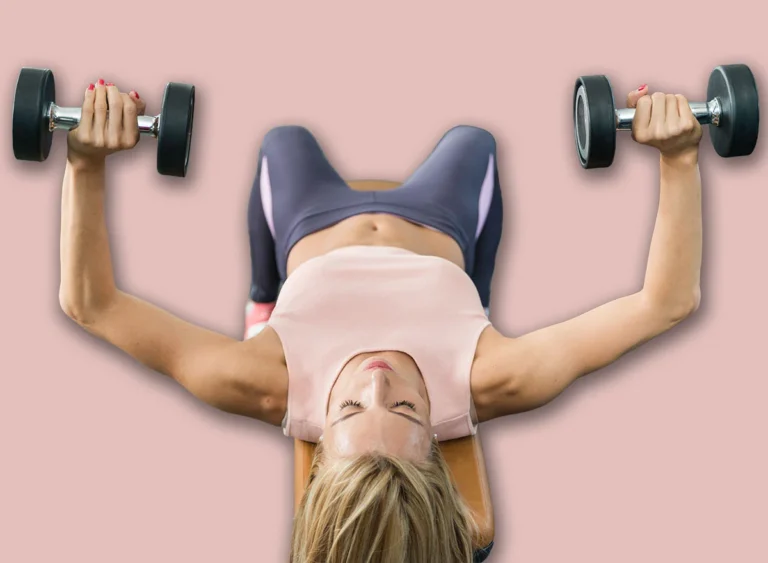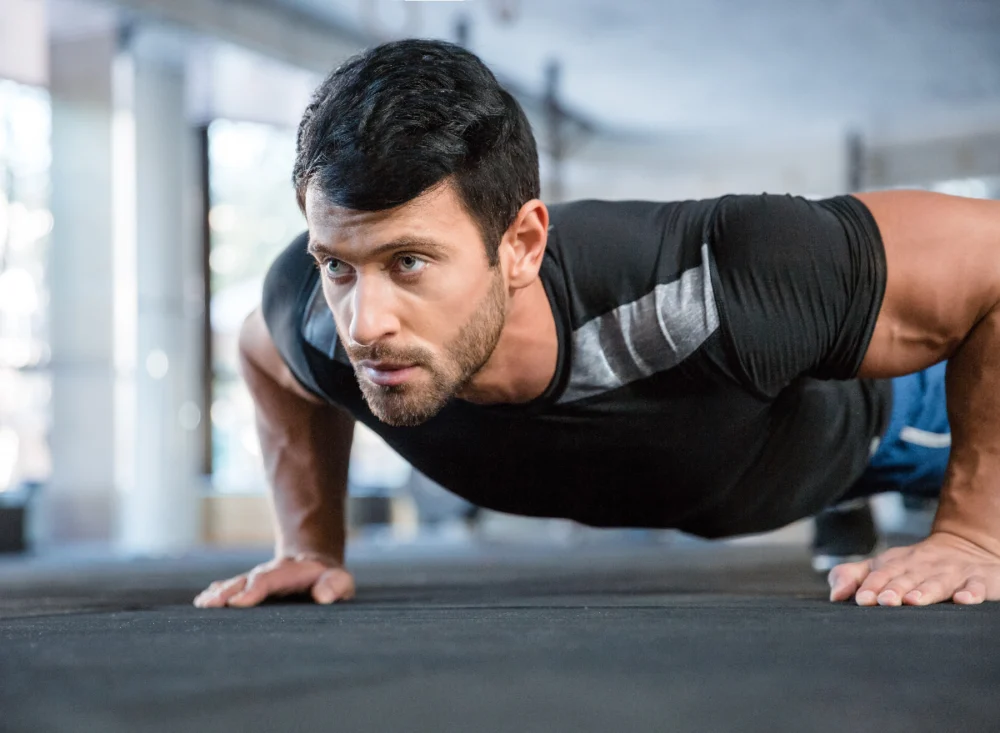
Maintaining robust physical capabilities is a cornerstone of healthy aging, directly impacting independence, quality of life, and overall well-being. As individuals navigate their fifties and beyond, physiological shifts, such as sarcopenia – the age-related loss of muscle mass and strength – become more pronounced. Combatting these changes requires consistent engagement in effective strength training regimens. Among the myriad exercises available, the humble push-up stands out as an exceptionally revealing indicator of an individual’s upper body and core strength, endurance, and stability. Its accessibility, requiring no specialized equipment, makes it an ideal self-assessment tool and a foundational movement for progressive fitness development.
The push-up offers a comprehensive diagnostic snapshot of several key physical attributes. It primarily engages the pectoralis major (chest), deltoids (shoulders), and triceps brachii (back of the arms) as prime movers. Beyond these, it significantly recruits core musculature—including the rectus abdominis, obliques, and erector spinae—to maintain a rigid, plank-like body position throughout the movement. Furthermore, the push-up demands coordination between these muscle groups, alongside activation of the serratus anterior for scapular stability and even gluteal engagement to prevent hip sagging. This synergy of muscle activation means that a successful push-up isn’t merely a test of pushing power; it’s an assessment of integrated whole-body tension and muscular endurance. Unlike many isolated strength exercises, the push-up measures relative strength—your ability to move your own body weight—which translates directly to functional tasks encountered in daily life, such as getting up from the floor, pushing heavy doors, or stabilizing oneself during various activities.
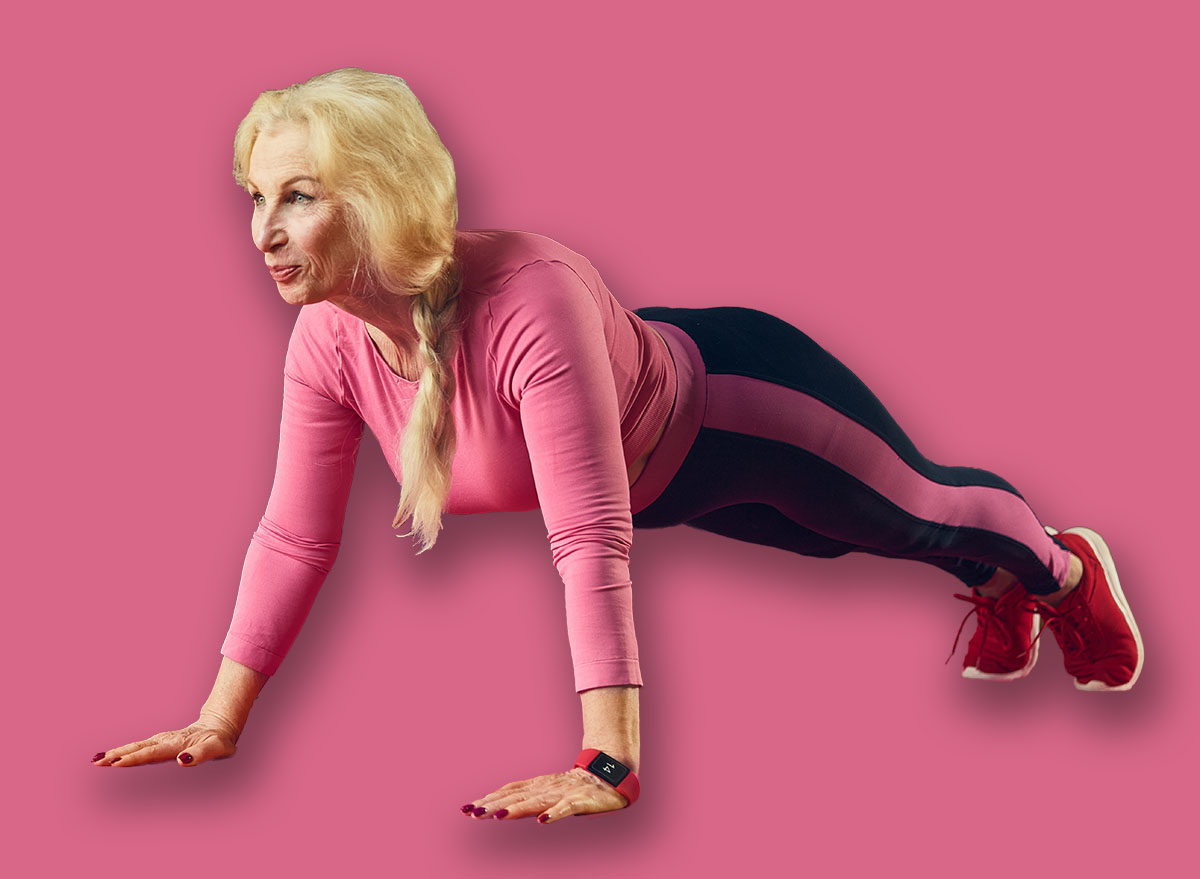
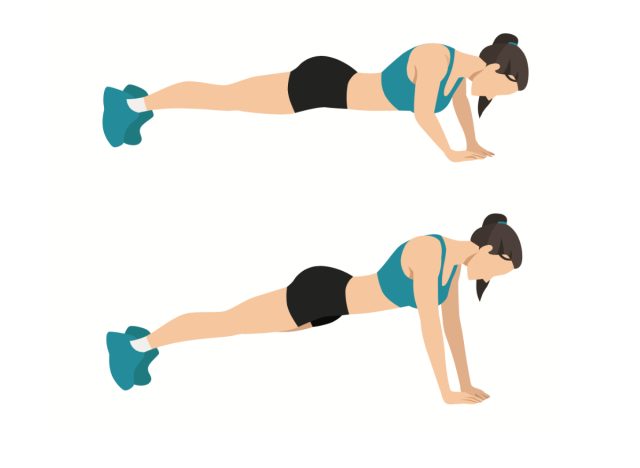
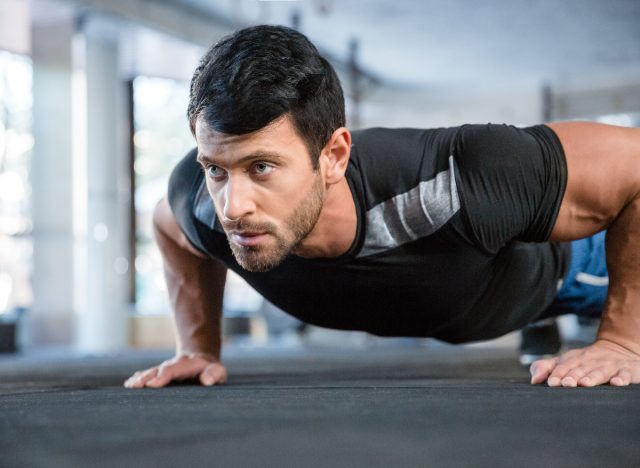
Before embarking on any self-assessment, mastering the biomechanics of a technically proficient push-up is paramount. Incorrect form not only diminishes the exercise’s effectiveness but also significantly increases the risk of injury, particularly to the shoulders and lower back. A truly effective push-up begins with a meticulous setup: hands should be placed slightly wider than shoulder-width apart, fingers pointing forward, directly beneath the shoulders. The body forms a straight line from the crown of the head to the heels, achieved by bracing the core, squeezing the glutes, and avoiding any arching or sagging in the lower back. The head should remain in a neutral position, gazing slightly forward.
The eccentric phase, or the lowering portion of the movement, should be executed with controlled precision. The elbows should track at approximately a 45-degree angle relative to the torso, avoiding a wide flare that places undue stress on the shoulder joints. Descend until the chest nearly touches the floor, or at least until the upper arms are parallel to the ground, ensuring a full range of motion. The concentric phase, the push back up, requires purposeful engagement of the chest, shoulders, and triceps, driving the body back to the starting plank position without losing the rigid body line. Each repetition should flow seamlessly, without momentum or compensatory movements, reflecting deliberate muscular control from start to finish. Common errors include performing partial repetitions, allowing hips to sag or pike upwards, or shrugging the shoulders towards the ears. Focusing on maintaining spinal neutrality and controlled descent are critical for maximizing benefits and preventing strain.
Understanding where one’s push-up capacity stands relative to age-specific benchmarks can provide valuable insight into current fitness levels and guide future training goals. For adults aged 50 and above, these benchmarks account for typical age-related physiological changes, offering a realistic framework for evaluation rather than a rigid pass/fail criterion. It’s important to note that these are general guidelines, and individual capabilities can vary widely based on lifelong activity levels, genetics, and overall health.
General Push-Up Capability Tiers for Adults Over 50 (Full Range of Motion, Strict Form):
- Foundational Strength (Below Average): 0-5 repetitions. This range suggests a need to establish basic upper body and core strength. Focus should be on mastering modified variations to build a strong base.
- Intermediate Proficiency (Average): 6-12 repetitions. Individuals in this category possess a respectable level of functional strength, sufficient for many daily activities. There is significant potential for further improvement with structured training.
- Advanced Capability (Above Average): 13-20 repetitions. This indicates a robust level of upper body muscular endurance and strength, placing individuals well above the general population in their age group.
- Elite Performance (Top Tier): 21+ repetitions. Achieving this level signifies exceptional upper body strength, endurance, and body control for individuals over 50, reflecting a consistent and effective fitness regimen.
If your current push-up count falls below your desired tier, or if you aspire to reach higher levels of performance, a structured and patient approach to training is essential. Improving push-up strength after 50 is entirely achievable, often faster than many anticipate, through consistent practice and strategic progressive overload.
Key Strategies for Enhancement:
- Regress to Progress: If full push-ups are challenging, begin with modified versions. Wall push-ups are excellent for beginners, reducing the load. Gradually progress to incline push-ups using a sturdy counter, bench, or chair, decreasing the incline as strength improves. Knee push-ups offer a further step towards the full movement, allowing for mastery of the upper body pushing pattern without the full bodyweight challenge. The goal is to perform each modified repetition with perfect form before advancing.
- Increase Volume and Frequency: Consistency is paramount. Incorporate push-ups or their variations into your routine multiple times per week, allowing for adequate rest between sessions. Instead of pushing to absolute failure every time, aim for a high volume of quality repetitions spread across several sets, stopping a few reps short of fatigue to maintain form and promote faster recovery.
- Strengthen Supporting Muscles: While push-ups target specific muscle groups, a holistic approach to upper body and core strength is crucial.
- Core Work: Planks, side planks, and bird-dog exercises will enhance core stability, preventing hip sag during push-ups.
- Shoulder Health: Light overhead presses (with dumbbells or resistance bands) and band pull-aparts can strengthen the shoulder girdle and improve scapular control.
- Antagonistic Training: Incorporate pulling movements like dumbbell rows or resistance band rows to balance the pushing muscles and prevent muscular imbalances, which can lead to injury.
- Emphasize Controlled Negatives: The eccentric (lowering) phase of the push-up is a potent strength builder. If you can’t push up from the bottom, try starting in the plank position and slowly lowering yourself to the floor over 3-5 seconds. Reset and repeat. This builds strength necessary for the full movement.
- Prioritize Recovery and Nutrition: As we age, recovery becomes even more critical. Ensure adequate sleep (7-9 hours), manage stress, and hydrate consistently. Dietary protein intake is vital for muscle repair and growth; aim for lean protein sources at each meal. These elements are non-negotiable for sustained progress and injury prevention.
- Listen to Your Body: Respect your body’s signals. Minor aches might be muscle soreness, but persistent pain is a warning sign. Adjust your training, rest, or seek professional advice if needed. Pushing through pain can lead to setbacks.
The benefits of cultivating robust upper body strength, as indicated by push-up proficiency, extend far beyond just an impressive rep count. Strong pushing muscles and a stable core contribute significantly to maintaining independence and mobility throughout the aging process. It enhances the ability to perform everyday tasks with ease, improves posture, and reduces the risk of falls by strengthening the muscles responsible for balance and bracing. Furthermore, engaging in resistance training positively impacts bone mineral density, a critical factor in preventing osteoporosis, and supports metabolic health by improving glucose regulation and increasing overall energy expenditure. Beyond the physical, the sense of accomplishment derived from improving one’s strength benchmarks can significantly boost confidence and contribute to overall mental well-being.
In conclusion, the push-up remains an unparalleled, accessible tool for individuals over 50 to gauge and enhance their functional upper body strength and core stability. By understanding proper technique, recognizing age-appropriate benchmarks, and committing to a consistent, progressive training strategy, anyone can significantly improve their physical capacity. Embracing this fundamental exercise is not merely about achieving a higher number of repetitions; it’s an empowering step towards a more active, independent, and resilient life well into the later decades.
About the Author