Information Disorder in a Pandemic: Crafting a Global Framework for Trust and Health
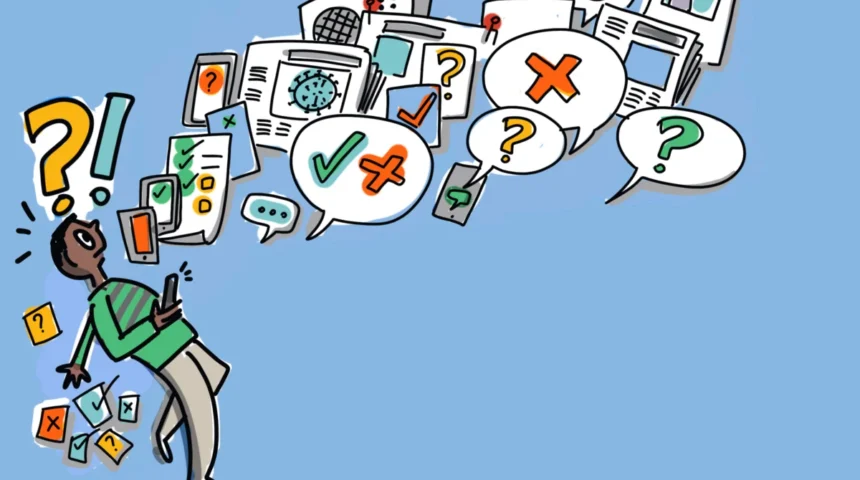
The advent of the Coronavirus disease (COVID-19) marked an unprecedented era, not only for global health but also for the pervasive influence of digital technology. While technological advancements and social media platforms played a pivotal role in maintaining societal connections, facilitating remote work, and disseminating crucial health directives during a period of profound uncertainty, they concurrently fostered an overwhelming surge of information, both accurate and erroneous. This phenomenon, termed an "infodemic," emerged as a formidable adversary, significantly complicating global efforts to contain the pandemic and protect public well-being.
An infodemic is characterized by an excessive volume of information, permeating both online and offline spaces. This torrent of data encompasses everything from legitimate scientific findings and public health announcements to deliberate falsehoods and well-intentioned but incorrect advice. Crucially, it includes targeted campaigns of disinformation—the intentional spread of false information—often orchestrated to undermine public health initiatives, exploit societal anxieties, or advance specific political, economic, or ideological agendas. The distinction between misinformation (unintentional inaccuracies) and disinformation (deliberate deception) is vital, though both contribute to the erosion of trust and the obfuscation of truth, ultimately imperiling the collective capacity to respond effectively to health crises.
The repercussions of this informational overload and the proliferation of false narratives are profound and multifaceted. At the most critical level, the circulation of incorrect health guidance directly jeopardizes lives. When individuals are exposed to or internalize misleading claims about disease transmission, prevention, or treatment, they may disregard established public health protocols, such as social distancing, mask-wearing, or vaccination. This can lead to increased rates of infection, severe illness, and mortality. The efficacy of widespread diagnostic testing programs, for instance, hinges on public confidence and participation; without accurate information, uptake diminishes. Similarly, the success of immunization drives, which are foundational to achieving herd immunity and protecting vulnerable populations, is directly correlated with public trust in vaccine safety and effectiveness. When this trust is eroded by baseless claims, vaccination targets remain unmet, allowing pathogens to persist and spread.
Beyond the immediate health consequences, the infodemic exerts a corrosive influence on mental health, exacerbating stress, anxiety, and fear among populations already grappling with the pandemic’s inherent uncertainties. It fuels stigmatization, unfairly targeting specific communities or demographic groups based on unfounded stereotypes or discriminatory narratives, thereby hindering inclusive public health outreach. The societal fabric itself is jeopardized as disinformation polarizes public discourse surrounding critical health interventions and policy decisions. This polarization often amplifies hate speech, heightening social tensions and increasing the potential for conflict, violence, and severe human rights violations. In the longer term, the persistent undermining of factual information poses a significant threat to democratic processes, fundamental human rights, and the prospects for fostering enduring social cohesion.
Recognizing the gravity of this parallel digital crisis, the international community mobilized to address the infodemic alongside the viral pandemic. In April 2020, the United Nations Secretary-General launched the United Nations Communications Response initiative, a proactive measure designed to counter the widespread dissemination of misinformation and disinformation. This initiative aimed to flood the digital landscape with factual, science-based content, ensuring that accurate information was readily accessible to global audiences. Further underscoring the UN’s commitment to upholding human dignity during the crisis, a specific Guidance Note on Addressing and Countering COVID-19 related Hate Speech was issued on May 11, 2020. This document provided Member States with practical recommendations for identifying and mitigating the harms of hate speech, which often intersects with health misinformation, while simultaneously safeguarding freedom of expression.
The World Health Organization (WHO), as the leading global health authority, also placed significant emphasis on managing the infodemic. During the 73rd World Health Assembly in May 2020, WHO Member States unanimously adopted Resolution WHA73.1 on the COVID-19 response. This landmark resolution explicitly acknowledged that effective infodemic management was an indispensable component of controlling the wider pandemic. It called upon Member States to actively provide reliable, evidence-based content pertaining to COVID-19, implement robust measures to counter misinformation and disinformation, and strategically leverage digital technologies across the entire spectrum of their pandemic response. Furthermore, the resolution urged international organizations to confront misinformation and disinformation within the digital sphere, to prevent harmful cyber activities that could undermine health efforts, and to champion the public dissemination of accurate, science-based data.
The collective expertise and extensive networks of the UN system and various civil society organizations have been instrumental in responding to the informational challenges of the pandemic. However, as the global health crisis continues to evolve, creating sustained periods of anxiety and uncertainty, the urgency for more decisive and coordinated action has only intensified. A truly effective strategy necessitates a unified approach, engaging not only national governments but also multilateral organizations, non-governmental groups, and all other actors who bear a clear role and responsibility in upholding information integrity.
In this spirit, there is a compelling call for national governments, as Member States, to develop and rigorously implement comprehensive action plans specifically tailored to manage the infodemic. These plans must prioritize the timely and equitable dissemination of precise information, grounded in scientific evidence, to all segments of society, with particular attention paid to vulnerable and high-risk populations who may be more susceptible to misinformation or less able to access reliable sources. Concurrently, these strategies must incorporate robust mechanisms for preventing the spread of, and actively combating, misinformation and disinformation. A critical balancing act is required here: these efforts must always be conducted with an unwavering respect for the fundamental principle of freedom of expression, ensuring that legitimate discourse and critical inquiry are not stifled.
Furthermore, it is essential that Member States cultivate deep engagement with their communities throughout the development and implementation of these national action plans. This involves actively listening to community concerns, understanding local information ecosystems, and empowering residents to co-create solutions and build their own resilience against the onslaught of misleading narratives. By fostering a sense of ownership and agency, communities become better equipped to discern credible information and resist the influence of harmful content.
Beyond governmental bodies, a wide array of other stakeholders must intensify their collaborative efforts. This includes media organizations and social media platforms, which serve as primary conduits for both accurate and inaccurate information. These entities bear a significant responsibility to design and implement effective strategies and tools for moderating harmful content, enhancing transparency, and promoting authoritative sources. Researchers and technologists are crucial allies, tasked with innovating new methodologies and technologies for detecting, analyzing, and responding to information disorder. Civil society leaders and influential figures within communities also play an indispensable role by collaborating closely with the UN system, Member States, and each other, leveraging their reach and credibility to amplify accurate information and actively counter the proliferation of false claims.
In essence, managing the infodemic is not merely a technical challenge of content moderation; it is a profound societal undertaking that demands a sustained, multi-sectoral commitment to information integrity. The lessons learned from the COVID-19 pandemic underscore the critical need to fortify our global information ecosystem, ensuring that during future crises, public trust in science and authoritative health guidance remains robust. Only through coordinated global action, grounded in transparency, collaboration, and a deep respect for human rights, can humanity effectively navigate the digital deluge and safeguard collective health and societal well-being.
Related posts:

Related News