Global Child Survival Gains Imperiled: Pandemic Disruptions Threaten Decades of Progress in Pediatric Health
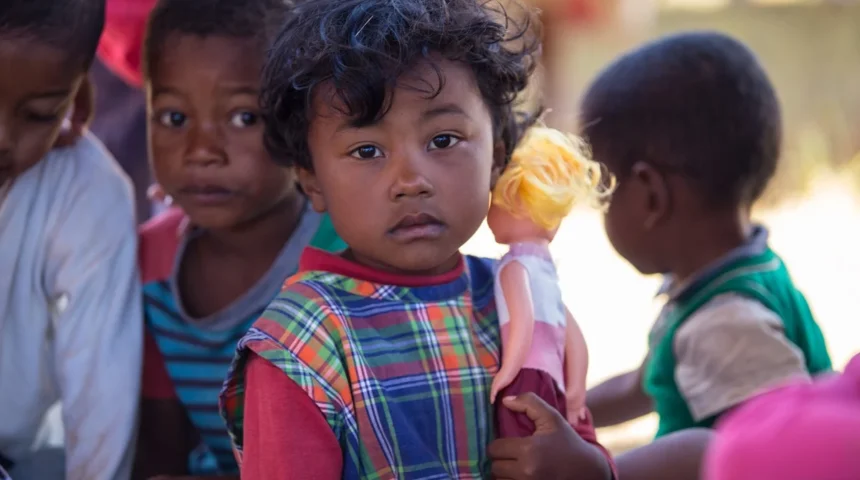
The global fight against preventable child mortality faces an unprecedented challenge, as the COVID-19 pandemic threatens to unravel decades of significant advancements in child survival rates worldwide. This alarming prognosis emerges at a time when global efforts had just reached a historic milestone, with the number of children dying before their fifth birthday plummeting to an unprecedented low of 5.2 million in 2019. This encouraging figure, detailed in new mortality estimates compiled by the United Nations Inter-agency Group for Child Mortality Estimation (UN IGME) – a collaborative body comprising UNICEF, the World Health Organization (WHO), the World Bank Group, and the UN Population Division – represents a dramatic reduction from the 12.5 million recorded fatalities in 1990.
The journey to this achievement has been long and arduous, marked by concerted global health initiatives, sustained investments in healthcare infrastructure, and the widespread implementation of life-saving interventions. Over the past three decades, a concerted international drive has focused on combating the primary causes of early childhood deaths. These include critical medical conditions such as preterm births, low birth weight, complications arising during childbirth, neonatal sepsis, and prevalent infectious diseases like pneumonia, diarrhea, and malaria. Furthermore, the expansion of routine immunization programs has played a pivotal role in safeguarding millions of young lives from vaccine-preventable diseases, fundamentally altering the survival prospects for children across the globe.
However, the advent of the COVID-19 pandemic has cast a long shadow over these hard-won gains. Recent assessments by UNICEF and WHO indicate that the global health crisis has triggered extensive disruptions across essential maternal and child health services, placing millions of vulnerable children at increased risk and potentially reversing the trajectory of progress. These disruptions are not merely minor inconveniences but fundamental breakdowns in the systems designed to protect the most fragile members of society.
Henrietta Fore, UNICEF’s Executive Director, underscored the gravity of the situation, stating, "The global community has come too far towards eliminating preventable child deaths to allow the COVID-19 pandemic to stop us in our tracks. When children are denied access to health services because the system is overrun, and when women are afraid to give birth at the hospital for fear of infection, they, too, may become casualties of COVID-19. Without urgent investments to re-start disrupted health systems and services, millions of children under five, especially newborns, could die." Her statement highlights a dual threat: direct pressure on health systems due to the pandemic, and indirect consequences stemming from public apprehension and behavioral changes.
Empirical evidence of this widespread disruption comes from two significant surveys. A UNICEF-led rapid situation tracking exercise conducted across 77 countries during the summer months revealed that nearly 68 percent of participating nations reported at least some level of impairment in routine child health checks and immunization services. Complementary findings indicated that 63 percent of countries experienced interruptions in antenatal care appointments, while 59 percent reported similar issues with postnatal care services. Concurrently, a WHO survey, drawing responses from 105 countries, documented that more than half of the surveyed nations (52 percent) reported disturbances in healthcare provisions for sick children, and 51 percent faced challenges in managing malnutrition cases. These statistics paint a stark picture of a global health system under immense strain, struggling to maintain basic services vital for child survival.
The underlying factors contributing to these service interruptions are multifaceted and interconnected. A primary concern is the growing reluctance of parents and caregivers to seek medical attention for their children, driven by a profound fear of contracting the SARS-CoV-2 virus within healthcare facilities. This apprehension is often compounded by practical barriers such as stringent transportation restrictions, which impede access to clinics and hospitals, particularly for communities in rural or remote areas. Furthermore, the pandemic has necessitated the suspension or complete closure of certain health services and facilities, either due to resource reallocation towards COVID-19 response efforts or outbreaks among healthcare staff. The healthcare workforce itself has been significantly impacted; diversions of personnel to manage COVID-19 cases, alongside a critical shortage of personal protective equipment (PPE) like masks and gloves, have led to fewer available healthcare workers and heightened infection risks for those on the front lines. Economic hardships, both at the household level and within national health budgets, further exacerbate these challenges, limiting families’ ability to afford care and governments’ capacity to maintain services.
The repercussions of these disruptions are disproportionately felt in countries already grappling with fragile healthcare systems and high baseline mortality rates. Nations identified as particularly vulnerable include Afghanistan, Bolivia, Cameroon, the Central African Republic, Libya, Madagascar, Pakistan, Sudan, and Yemen. Notably, seven of these nine countries recorded under-five mortality rates exceeding 50 deaths per 1,000 live births in 2019, signifying pre-existing vulnerabilities that the pandemic has intensified. In Afghanistan, for instance, where a sobering statistic revealed that one in every 17 children did not survive to their fifth birthday in 2019, the Ministry of Public Health has observed a marked decrease in visits to health facilities. Expectant mothers and new parents, fearing COVID-19 exposure, are increasingly foregoing critical pre- and post-natal check-ups, thereby escalating risks for both mothers and newborns in an already precarious environment.
Even prior to the pandemic, newborns constituted the most vulnerable demographic among young children. In 2019, a newborn tragically died every 13 seconds, accounting for a stark 47 percent of all under-five deaths – an increase from 40 percent in 1990. This demographic shift underscores the critical importance of specialized neonatal care, encompassing interventions like skilled birth attendance, immediate postnatal care, and management of conditions specific to infancy. The severe disruptions to essential health services now place these most fragile lives at even greater peril. In Cameroon, for example, where one in 38 newborns died in 2019, the UNICEF survey indicated an estimated 75 percent disruption in crucial services including essential newborn care, antenatal examinations, obstetric support, and postnatal follow-ups. Such figures paint a grim picture of the potential for a catastrophic reversal in newborn survival rates.
The potential scale of this looming crisis was vividly illustrated by initial modeling conducted by Johns Hopkins University in May. Their projections suggested that disruptions attributable to COVID-19 could result in nearly 6,000 additional child deaths daily, signaling a potential humanitarian catastrophe if immediate interventions are not implemented. This stark forecast highlights the urgent need for a global coordinated response to mitigate the indirect consequences of the pandemic on child health.
A cornerstone of child survival progress has been the availability of skilled health professionals, particularly during childbirth and in the immediate postnatal period. The World Health Organization emphasizes that women receiving care from professional midwives, trained to international standards, are significantly less likely to experience infant loss (a 16 percent reduction) and premature births (a 24 percent reduction). These statistics underscore the irreplaceable role of such healthcare providers in safeguarding both maternal and neonatal health, services now critically threatened by staffing shortages, fear of infection, and reallocation of resources.
Dr. Tedros Adhanom Ghebreyesus, WHO Director-General, stressed the imperative to protect these achievements: "The fact that today more children live to see their first birthday than any time in history is a true mark of what can be achieved when the world puts health and well-being at the centre of our response. Now, we must not let the COVID-19 pandemic turn back remarkable progress for our children and future generations. Rather, it’s time to use what we know works to save lives, and keep investing in stronger, resilient health systems." His call resonates with the broader sentiment among global health leaders. Muhammad Ali Pate, Global Director for Health, Nutrition and Population at the World Bank, echoed this urgency, stating, "The COVID-19 pandemic has put years of global progress to end preventable child deaths in serious jeopardy. It is essential to protect life-saving services which have been key to reducing child mortality. We will continue to work with governments and partners to reinforce healthcare systems to ensure mothers and children get the services they need." This commitment from financial institutions highlights the economic dimension of healthcare resilience. John Wilmoth, Director of the Population Division of the United Nations Department of Economic and Social Affairs, added a crucial perspective: "While the report highlights the negative effects of the COVID-19 pandemic on interventions that are critical for children’s health, it also draws attention to the need to redress the vast inequities in a child’s prospects for survival and good health." This emphasizes that the pandemic not only creates new challenges but also exposes and exacerbates existing disparities in health outcomes, demanding a focus on equity in recovery efforts.
These comprehensive reports and projections serve as an urgent clarion call for immediate, decisive action. Restoring and fortifying essential childbirth services, alongside antenatal and postnatal care for mothers and infants, must be prioritized. This includes ensuring that skilled health professionals are readily available to attend births and provide follow-up care. Equally vital is the strategic engagement with communities and parents to alleviate their anxieties regarding healthcare facilities, rebuilding trust, and assuring them of safe environments for receiving care. The global community stands at a critical juncture: either allow the pandemic to erase decades of dedicated work in child survival or redouble efforts to safeguard the lives of the world’s youngest and most vulnerable citizens, ensuring that the remarkable progress achieved continues into the future, irrespective of unforeseen global health crises.
Related posts:

Related News