Unseen Consequences: Viral Infections Can Leave Enduring Immune Vulnerabilities, Preventable Through Immunization
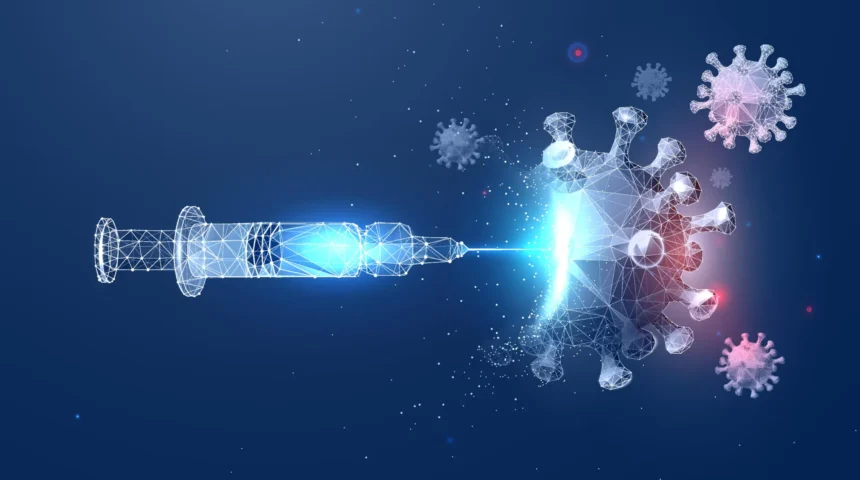
For generations, the conventional understanding of acute viral infections held that once symptoms subsided and the pathogen was cleared from the body, an individual’s recovery was largely complete. The immune system, having successfully mounted a defense, would return to its baseline, often leaving behind protective memory cells against future encounters with the same virus. However, groundbreaking new research from Pompeu Fabra University (UPF) challenges this long-held perspective, revealing that viral infections can inflict subtle, yet persistent, damage to the immune system, leaving it compromised and less capable of responding to subsequent threats. Crucially, the study also indicates that vaccination prior to infection can effectively prevent these lasting immunological impairments, adding a significant, previously underappreciated layer to the protective benefits of immunization.
The findings, published in the esteemed journal Cell Death & Disease, highlight a paradigm shift in how scientists and public health officials might view the aftermath of common viral illnesses. Instead of a complete return to homeostasis, the investigation in a mouse model demonstrated that the immune system could suffer structural and functional alterations that persist long after the infectious agent itself has vanished. This lingering vulnerability suggests that the true cost of a viral infection may extend far beyond the immediate period of illness, potentially predisposing individuals to reduced immune resilience against unrelated future challenges.
At the core of this discovery lies the spleen, a vital lymphoid organ integral to the body’s immune surveillance and response. The spleen acts as a critical hub where immune cells, such as T lymphocytes and B lymphocytes, mature, interact, and coordinate their defenses against invading pathogens. During the acute phase of an infection, the spleen undergoes significant changes to facilitate the rapid proliferation and activation of immune cells. However, the UPF team observed that in unvaccinated mice recovering from an acute viral infection, this intense immune activity led to detrimental long-term consequences within the spleen.
Specifically, the researchers identified the development of fibrosis within the splenic tissue. Fibrosis is characterized by the excessive accumulation of scar-like connective tissue, often a response to injury or chronic inflammation. In the context of an immune organ like the spleen, such structural disruption can severely impede its normal function. The delicate architectural organization of immune cells, which is essential for efficient communication and activation, was found to be significantly compromised. This disarray directly impacts the ability of T cells, particularly helper T cells and cytotoxic T cells, to effectively interact with antigen-presenting cells and other immune components. T cells are crucial mediators of adaptive immunity, responsible for recognizing and eliminating infected cells and coordinating the overall immune response. When their activation pathways are disrupted, the entire immune cascade can falter.
Dr. Paula Cebollada Rica, the study’s lead author, underscored the significance of these findings, stating that the research illustrates how the immune system can remain in an "immunocompromised state" even after a virus is no longer detectable. This means that while the body might have successfully cleared the initial infection, its ability to launch robust and timely responses against new pathogens or other immune challenges is diminished. Such a state of reduced immune competency could translate into a heightened susceptibility to secondary infections, slower recovery from subsequent illnesses, or even a compromised ability to survey for and eliminate nascent cancerous cells, though these specific implications require further investigation.
Professor Andreas Meyerhans, an ICREA research professor at UPF and the leader of the research group, elaborated on the prevailing misconception that his team’s work now challenges. He noted that there is a widespread belief that an acute viral infection represents a minor and transient event, with the body fully recovering once symptoms resolve. This perspective, he explained, may significantly "underestimate consequences that are not immediately visible and can persist long after the infection itself has resolved." This statement highlights the critical importance of looking beyond the immediate clinical picture to understand the full, complex repercussions of viral encounters on long-term health.
The most compelling aspect of the study, however, lies in its investigation into the preventative role of vaccination. Recognizing the profound and persistent immune damage observed in unvaccinated animals, the scientists hypothesized that pre-emptive immunization might mitigate these adverse effects. The results were strikingly clear: mice that had received a vaccine prior to being infected exhibited none of the splenic fibrosis, architectural disruption, or T-cell dysfunction seen in their unvaccinated counterparts. Their spleens maintained normal structure, and their T cells functioned at levels comparable to those of animals that had never been infected at all.
This outcome reveals a previously unrecognized mechanism by which vaccines confer protection. Beyond preventing the immediate symptomatic disease caused by a virus, vaccination appears to safeguard the very integrity of the immune system itself. By priming the immune response in a controlled manner, vaccines enable the body to neutralize or rapidly clear the pathogen upon exposure, thereby preventing the extensive, potentially damaging inflammatory processes and tissue remodeling that lead to chronic immune dysfunction. The vaccinated immune system is equipped to handle the viral threat efficiently, avoiding the severe immunological stress that can leave behind a lasting footprint of damage. Dr. Cebollada Rica emphasized this dual benefit, explaining that vaccination not only prevented the acute disease but also "preserved the immune system’s ability to cope with new challenges."
While these findings were derived from a sophisticated mouse model, the implications for human health are substantial and warrant serious consideration. Mouse models are invaluable tools in immunological research due to their genetic tractability and physiological similarities to humans, allowing for controlled studies that would be impossible or unethical to conduct directly in people. Although direct extrapolation to human conditions requires further clinical research, the fundamental immunological mechanisms observed in mice often have parallels in human biology.
The timing of this research is particularly pertinent in the current global health landscape. The COVID-19 pandemic has brought to the forefront the concept of "long COVID" and other post-viral syndromes, where individuals experience persistent symptoms and health issues long after the acute infection has passed. While the UPF study focuses on structural and functional damage to the immune system rather than the broad constellation of symptoms associated with long COVID, it contributes to a growing body of evidence suggesting that viral infections can have profound and lasting impacts on the body that are not immediately apparent. It underscores the idea that a "full recovery" from a viral infection might be a more nuanced and complex process than previously understood, potentially involving subtle immunological impairments that could affect overall health and susceptibility to future illnesses.
This research significantly broadens the perceived value of vaccination. Historically, the primary communicated benefit of vaccines has been the prevention of acute illness, severe disease, hospitalization, and death. While these remain critically important outcomes, the UPF study suggests an additional, perhaps "hidden," layer of protection: safeguarding the long-term health and functional capacity of the immune system itself. This expanded understanding holds significant public health implications, particularly in an era where vaccination policies and infectious disease prevention efforts are frequently subject to public debate and political influence.
Professor Meyerhans underscored the importance of communicating these broader benefits to the general public. He argued that the value highlighted by this research extends beyond direct medical care, influencing "how we communicate the value of vaccination to the population at large." In a world increasingly prone to misinformation and vaccine hesitancy, providing a comprehensive, scientifically-backed understanding of vaccination’s protective scope is paramount. He concluded that "it is important that people are aware of the broader protection that vaccination can provide and continue to trust in vaccines as one of the most effective tools to prevent diseases. Put simply, vaccines provide strong health benefits at a relatively low cost to society."
The findings reinforce the need for evidence-based policymaking in public health. As societies navigate future infectious disease outbreaks and continue to manage endemic viral threats, a complete understanding of the long-term consequences of infection versus the multi-faceted benefits of vaccination becomes indispensable. This research opens new avenues for exploring the full spectrum of viral pathology and positions vaccination not just as a shield against immediate disease, but as a crucial investment in maintaining long-term immune resilience and overall health. Future studies will likely delve deeper into the specific molecular mechanisms driving this splenic damage and investigate whether similar effects can be observed in human populations and across a wider range of viral infections.

Related News