Engineered Chewing Gum Demonstrates Significant Reduction of Head and Neck Cancer-Associated Microbes in Laboratory Studies.
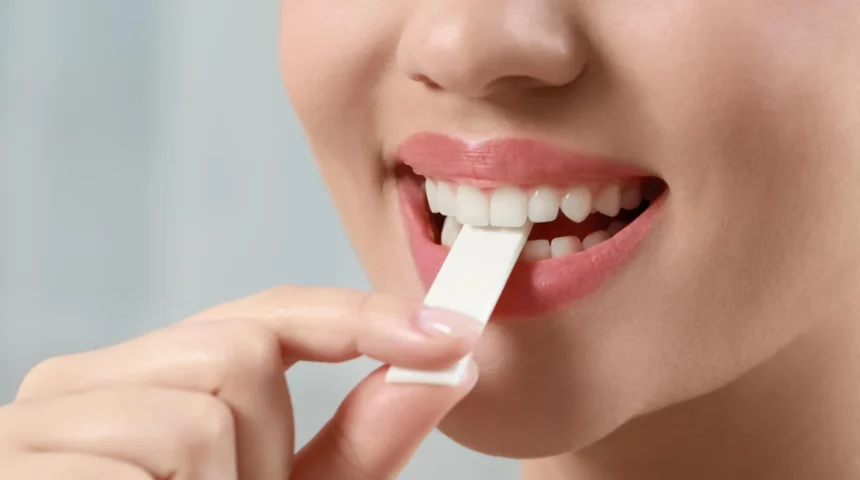
A pioneering research endeavor has unveiled an innovative approach to combat specific microorganisms implicated in the pathogenesis of head and neck cancers, utilizing a specially formulated chewing gum. In controlled laboratory environments, extracts derived from this advanced gum exhibited a remarkable capacity to diminish levels of human papillomavirus (HPV) by as much as 93% in patient samples. Furthermore, a refined iteration of this oral delivery system effectively eliminated two detrimental bacterial species while maintaining the integrity of beneficial oral flora. These compelling findings, detailed in the scientific journal Scientific Reports, suggest a potential new avenue for infection prevention and a valuable adjunct to existing therapeutic strategies for certain malignancies. The plant-based origin of this technology could also contribute to its accessibility and affordability, presenting a hopeful prospect for broader patient populations.
The genesis of this groundbreaking work lies within the laboratories of the University of Pennsylvania’s School of Dental Medicine, under the guidance of Henry Daniell. For years, Professor Daniell and his team have dedicated their efforts to harnessing the inherent capabilities of genetically modified plants to synthesize proteins with considerable medical utility. This research paradigm, often referred to as "molecular pharming," leverages plant systems as cost-effective and scalable bioreactors for producing complex pharmaceutical compounds. Their focus on the oral cavity stems from a critical understanding of its intricate microbial ecosystem and its profound influence on systemic health, particularly in the context of oncological conditions.
Head and neck squamous cell carcinoma (HNSCC) represents a diverse group of malignancies originating from the thin, flat squamous cells lining the mouth, throat, voice box (larynx), and other adjacent structures. These cancers pose a significant global health burden, accounting for a substantial number of new diagnoses and fatalities annually. Their heterogeneous nature, coupled with often late-stage detection, contributes to challenging prognoses for many affected individuals. Conventional treatment modalities typically involve a combination of surgery, radiation therapy, and chemotherapy, sometimes supplemented by targeted therapies or immunotherapy. Despite advancements, these treatments frequently carry substantial side effects, including mucositis, dysphagia, and xerostomia, which severely impact patients’ quality of life. Moreover, long-term survival rates, particularly for advanced or recurrent cases, underscore an urgent and persistent need for more efficacious and less debilitating interventions.
One of the most concerning trends in HNSCC epidemiology is the escalating incidence of oropharyngeal cancer, a subtype affecting the middle part of the throat, encompassing the tonsils and the base of the tongue. This particular form of cancer has seen a dramatic increase, largely attributed to persistent infection with high-risk strains of human papillomavirus (HPV). HPV, a highly prevalent sexually transmitted infection, is notorious for its capacity to induce cellular changes that, over time, can progress to various cancers, including cervical, anal, and a significant proportion of oropharyngeal cancers. While widespread vaccination programs aim to curtail HPV transmission, the sheer prevalence of the virus and the prolonged latency period before oncogenic transformation necessitate additional strategies for managing existing infections and preventing disease progression.
Beyond viral culprits, the oral microbiome – the complex community of bacteria, fungi, and viruses inhabiting the mouth – plays an intricate role in both maintaining health and fostering disease. While many oral microorganisms are commensal or beneficial, a growing body of evidence implicates specific bacterial species in the initiation and progression of HNSCC. The research team specifically homed in on three key microbial targets. The primary viral target was, as mentioned, HPV, given its well-established role in oropharyngeal carcinogenesis. The two bacterial species under scrutiny were Porphyromonas gingivalis (Pg) and Fusobacterium nucleatum (Fn). These anaerobic gram-negative bacteria are commonly associated with chronic periodontal disease, but emerging research highlights their ability to influence tumor microenvironments, promote inflammation, suppress anti-tumor immunity, and even directly impact cancer cell proliferation and metastasis. Professor Daniell emphasized the gravity of these bacterial connections, noting that "Pg and Fn infections worsen survival rates of untreated recurrent or metastatic oral cancer, even after surgery and risk-adjusted adjuvant, or supplemental, therapies." This underscores the critical need to address these microbial factors in comprehensive cancer management strategies.
The foundation for this innovative chewing gum dates back to the team’s earlier work on a specific gum derived from lablab beans. This initial "bean gum" naturally incorporates FRIL, an acronym for a protein with inherent antiviral properties. Building upon this base, the scientists initiated a series of in vitro experiments, exposing extracts from this bean gum to oral samples obtained from patients diagnosed with head and neck cancer. These samples, which included both saliva and oral rinse, contained the very microbes that the researchers sought to target.
The results of these initial laboratory evaluations were striking and highly encouraging. The extracts from the lablab bean gum led to a substantial reduction in HPV levels, achieving an impressive 93% decrease in saliva samples and an 80% decrease in oral rinse samples. These figures are particularly significant given the persistent nature of HPV infections and their strong association with the global rise in oropharyngeal cancer incidence. The implication is profound: a simple, non-invasive delivery system could potentially deliver therapeutic proteins directly to the site of infection, thereby reducing the viral load of a major oncogenic pathogen.
Recognizing the multifaceted nature of cancer-associated microbial dysbiosis, the research team then advanced their technology. They engineered the chewing gum to incorporate an additional component: protegrin. Protegrins are a class of antimicrobial peptides (AMPs), which are short chains of amino acids that form a crucial part of the innate immune system across many organisms. These peptides are known for their broad-spectrum antimicrobial activity, often functioning by disrupting bacterial cell membranes, leading to rapid bacterial death. The integration of protegrin into the gum formulation represented a strategic enhancement, aiming to broaden its antimicrobial reach.
With this dual-action engineered gum, the researchers observed an even more potent effect against the targeted bacterial species. A single application of the engineered gum extract was sufficient to reduce Porphyromonas gingivalis and Fusobacterium nucleatum to nearly undetectable concentrations. This near-elimination of key bacterial contributors to cancer progression, in addition to the significant reduction in HPV, paints a promising picture of a comprehensive oral antimicrobial intervention.
A particularly noteworthy aspect of these findings was the remarkable specificity demonstrated by the experimental gum. While aggressively targeting and neutralizing the harmful bacterial species, the extracts showed no detrimental impact on the beneficial microbial populations that naturally reside within the oral cavity. This selective action is paramount for maintaining oral homeostasis. The oral microbiome is a finely balanced ecosystem, and its disruption, often termed dysbiosis, can have wide-ranging negative consequences, from periodontal disease to an increased susceptibility to opportunistic infections. Many conventional cancer treatments, such as radiation therapy to the head and neck region, unfortunately, do not discriminate, often decimating both harmful and beneficial bacteria, and sometimes encouraging the overgrowth of opportunistic pathogens like Candida albicans. The ability of this engineered gum to precisely target pathogenic microbes while preserving the protective flora represents a significant advantage, particularly for patients whose oral health is already compromised by cancer or its rigorous treatments.
It is crucial to contextualize these promising results within the realm of scientific discovery. The data presented were derived from laboratory tests conducted on patient samples, an in vitro setting. While highly indicative of therapeutic potential, these findings do not yet translate directly to clinical outcomes in human subjects. The next critical phase of research involves rigorous clinical trials in humans to ascertain whether these observed effects can be replicated within the complex living environment of the human mouth. Such trials will also be instrumental in evaluating the safety profile of the gum, determining optimal dosing, and, most importantly, assessing whether a reduction in these microbes genuinely translates into improved cancer prevention or treatment outcomes for patients.
Despite these necessary caveats, the compelling laboratory evidence provides a strong rationale for advancing this technology towards human clinical trials. The global burden of head and neck cancers, particularly in adolescents, young adults, and middle-aged adults, remains substantial, as highlighted by Professor Daniell, who noted that "Lip and oral cavity cancer was the seventh leading cancer type in cancer incidence and mortality rate worldwide… in 2022." This underscores the urgent need for novel therapeutic and prophylactic strategies.
The researchers envision a dual role for this engineered chewing gum. Firstly, it could serve as a prophylactic measure, helping to prevent initial infections or limit the transmission of HPV and other harmful oral pathogens, especially in high-risk populations. Secondly, it holds significant potential as an adjuvant therapy, working in conjunction with established cancer treatments to enhance their efficacy, reduce recurrence rates, or mitigate treatment-related complications. The concept of delivering protective proteins and antimicrobial peptides via a simple, widely accessible product like chewing gum offers a potentially inexpensive and non-invasive means of intervention, making it particularly appealing for resource-constrained settings.
In conclusion, while the engineered chewing gum remains an experimental therapy, its capacity to dramatically reduce HPV levels and virtually eliminate two prominent cancer-associated bacterial species in controlled laboratory conditions marks a significant scientific milestone. The prospect of a familiar, everyday item being repurposed as a potent medical tool against dangerous oral infections and associated cancers is a compelling one. Should future clinical investigations affirm its safety and effectiveness in humans, this innovative approach could herald a new era in the prevention and management of head and neck cancers, offering a much-needed complement to the existing arsenal of medical interventions.
Related posts:

Related News