Global Health Systems Face Unprecedented Strain, Revealing Critical Vulnerabilities Amidst Pandemic Response
The global healthcare landscape experienced profound upheaval during the initial wave of the COVID-19 pandemic, with a groundbreaking assessment from the World Health Organization (WHO) revealing that an overwhelming majority of nations encountered substantial interruptions to their fundamental health provisions. Data compiled from 105 participating countries across five distinct global regions between March and June 2020 painted a stark picture: approximately 90% of reporting states, particularly those in low- and middle-income categories, grappled with significant impediments to routine medical care. This extensive survey, among the first of its kind, underscored the pervasive fragility of health infrastructures worldwide when confronted with a major public health crisis, exposing weaknesses even in seemingly robust systems.
The immediate and long-term ramifications of these widespread disruptions extend far beyond the direct impact of the novel coronavirus. Dr. Tedros Adhanom Ghebreyesus, the Director-General of the WHO, articulated a critical insight gleaned from the survey’s findings. He emphasized that the pandemic has illuminated profound systemic deficiencies, offering a pivotal opportunity to re-evaluate and fortify healthcare strategies for future crises and ongoing population needs. Dr. Tedros stressed that health should not be viewed as an "either/or" proposition, implying that emergency preparedness must coexist with continuous investment in comprehensive health systems capable of addressing individual requirements across the entire lifespan. This holistic perspective challenges governments to move beyond siloed approaches, recognizing that robust foundational healthcare is intrinsically linked to effective emergency response.
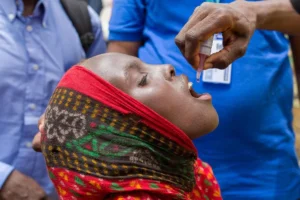
A granular analysis of the survey results detailed the breadth of services affected. On average, nations reported disturbances across half of the 25 essential "tracer" services identified for the study. The areas most frequently compromised included critical public health programs and routine medical interventions. Outreach immunization services, vital for preventing the resurgence of vaccine-preventable diseases, were impacted in a staggering 70% of countries, with facility-based immunization also suffering disruptions in 61% of cases. The potential for secondary outbreaks of diseases like measles or polio, due to these interruptions, presented a grave concern for global health security.
Beyond infectious disease prevention, the management of non-communicable diseases (NCDs) also faced severe setbacks. Diagnosis and treatment for conditions such as heart disease, diabetes, and chronic respiratory illnesses were disrupted in 69% of reporting countries. This often meant delayed screenings, postponed appointments, and reduced access to essential medications, potentially leading to disease progression, increased complications, and avoidable mortality among millions already living with these chronic conditions. Similarly, family planning and contraception services, crucial for reproductive health and population management, were curtailed in 68% of nations, raising concerns about unintended pregnancies and maternal health outcomes.
The mental health sector, already under-resourced in many parts of the world, experienced significant pressure, with treatment for mental health disorders disrupted in 61% of countries. The pandemic itself, with its associated anxieties, isolation, and economic stressors, created an unprecedented demand for mental health support, while the capacity to deliver such care simultaneously diminished. Cancer diagnosis and treatment, time-sensitive interventions where delays can have fatal consequences, were affected in 55% of countries. Low-income nations, in particular, reported high-risk interruptions to critical care pathways, including cancer therapies and HIV treatment, underscoring the disproportionate burden borne by vulnerable populations.
Even services targeting historically prevalent infectious diseases saw significant interruptions. Malaria diagnosis and treatment were disrupted in 46% of countries, while tuberculosis case detection and treatment faced challenges in 42%. Antiretroviral treatment for HIV patients, a lifeline for millions, was impacted in 32% of nations. While certain services, such as elective dental care and rehabilitative therapies, were sometimes intentionally scaled back in line with national protocols to reallocate resources or minimize infection risk, the widespread disruption of other essential services is projected to have detrimental health consequences spanning the short, medium, and long term. These effects are expected to manifest as an increase in morbidity and mortality from conditions unrelated to COVID-19, adding to the pandemic’s hidden toll.
Alarmingly, even emergency services, which are inherently life-saving, were not immune to these systemic shocks. Almost a quarter of the surveyed countries reported disruptions to critical emergency care. Twenty-two percent experienced issues with 24-hour emergency room services, while urgent blood transfusions were affected in 23% of nations. Emergency surgical procedures, often required for acute trauma or sudden life-threatening conditions, faced impediments in 19% of countries. The curtailment of such immediate care pathways highlights the extreme pressure under which health systems operated, forcing difficult triage decisions and potentially leading to avoidable deaths and disabilities.
The underlying factors contributing to these widespread disruptions were complex, involving a confluence of both supply-side and demand-side challenges. On the demand side, a significant 76% of countries observed a reduction in outpatient care attendance. This was attributed to a combination of factors, including government-imposed lockdowns that restricted movement, emerging financial difficulties that made accessing care unaffordable for many, and a pervasive fear among the populace of contracting the virus in healthcare settings. Patients, particularly those with non-urgent conditions, often hesitated to seek medical attention, either due to logistical barriers or a perceived risk-benefit calculation.
From the supply perspective, the most commonly cited factor was the cancellation of elective services, reported by 66% of countries. This was often a strategic decision to free up hospital beds, equipment, and staff for the anticipated surge in COVID-19 patients. Other critical supply-side issues included the redeployment of healthcare personnel to focus on the pandemic response, leading to shortages in other departments. Many facilities experienced temporary closings, further limiting access, and global supply chains for medical equipment, pharmaceuticals, and health products suffered severe interruptions, exacerbating existing resource scarcities. The pandemic exposed the brittle nature of globalized supply chains, with countries scrambling to secure essential items, sometimes leading to competitive purchasing and export restrictions.
In response to these unprecedented challenges, many nations began implementing adaptive strategies recommended by the WHO to mitigate service disruptions. These included the establishment of triage systems to prioritize urgent cases, a rapid shift towards online patient consultations and telemedicine to maintain continuity of care while minimizing in-person contact, and adjustments to prescribing practices to ensure continued access to medications. Furthermore, countries focused on fortifying supply chains and enhancing public health information campaigns to guide citizens. While these adaptations demonstrated commendable ingenuity, their effectiveness varied, and they often highlighted existing inequities. For instance, telemedicine, while beneficial, often excluded populations with limited digital access or literacy.
A critical recommendation from the WHO that saw limited uptake was the removal of user fees for healthcare services. Only 14% of countries reported implementing this measure, despite its potential to alleviate financial barriers for patients facing economic hardship during the pandemic. This omission meant that for many, even if services were theoretically available, the cost remained an insurmountable obstacle, further deepening health inequities.
Acknowledging the inherent limitations of a rapid "pulse survey," the WHO emphasized its value in providing a comprehensive, comparative snapshot across over 100 countries and 25 core health services. This initial assessment served to highlight the urgent need for enhanced real-time monitoring of changes in service delivery and utilization. Recognizing that the pandemic’s trajectory would likely involve periods of waxing and waning, the organization stressed the importance of flexible and adaptive solutions.
To bolster global capabilities, the WHO is actively developing several supportive tools and initiatives. One key undertaking is the COVID19: Health Services Learning Hub, a web-based platform designed to foster the exchange of experiences and disseminate innovative country practices. This hub aims to facilitate collective global learning and inform future responses. Furthermore, the WHO is designing additional, more granular surveys at sub-national and facility levels. These deeper dives will provide a more nuanced understanding of the long-term impact of disruptions, enabling countries to make more informed decisions regarding the benefits and risks of various mitigation strategies.
The insights from this survey serve as a powerful call to action, reinforcing the imperative for sustained data collection and strategic adaptations to ensure the continuity of essential care. It unequivocally demonstrated that even health systems considered robust could be rapidly overwhelmed and compromised by a widespread public health crisis. The global community is now faced with the critical task of translating these lessons into concrete policy changes, fostering greater resilience, equitable access, and comprehensive investment in health systems that can truly meet the diverse needs of populations, both in times of calm and during periods of acute crisis. The pandemic has underscored that investing in universal health coverage and strengthening primary healthcare is not merely a social good, but a fundamental pillar of national and global security.
Related posts:

Related News