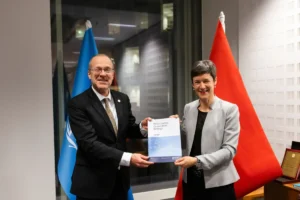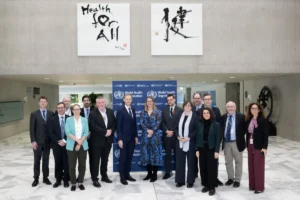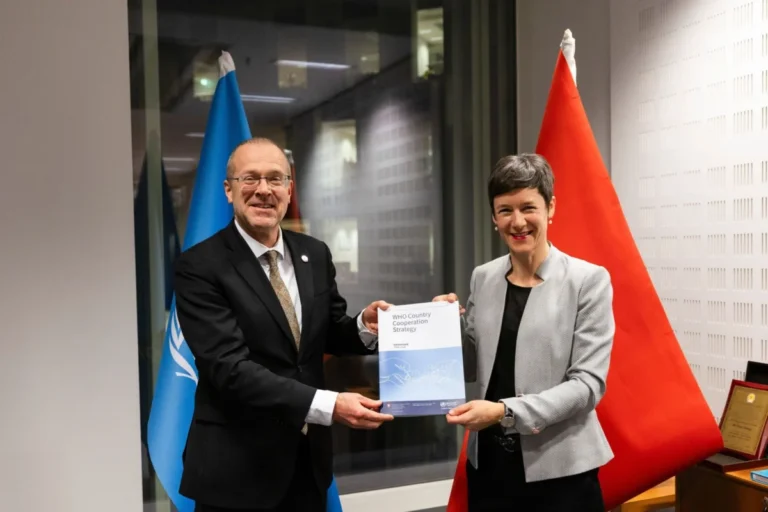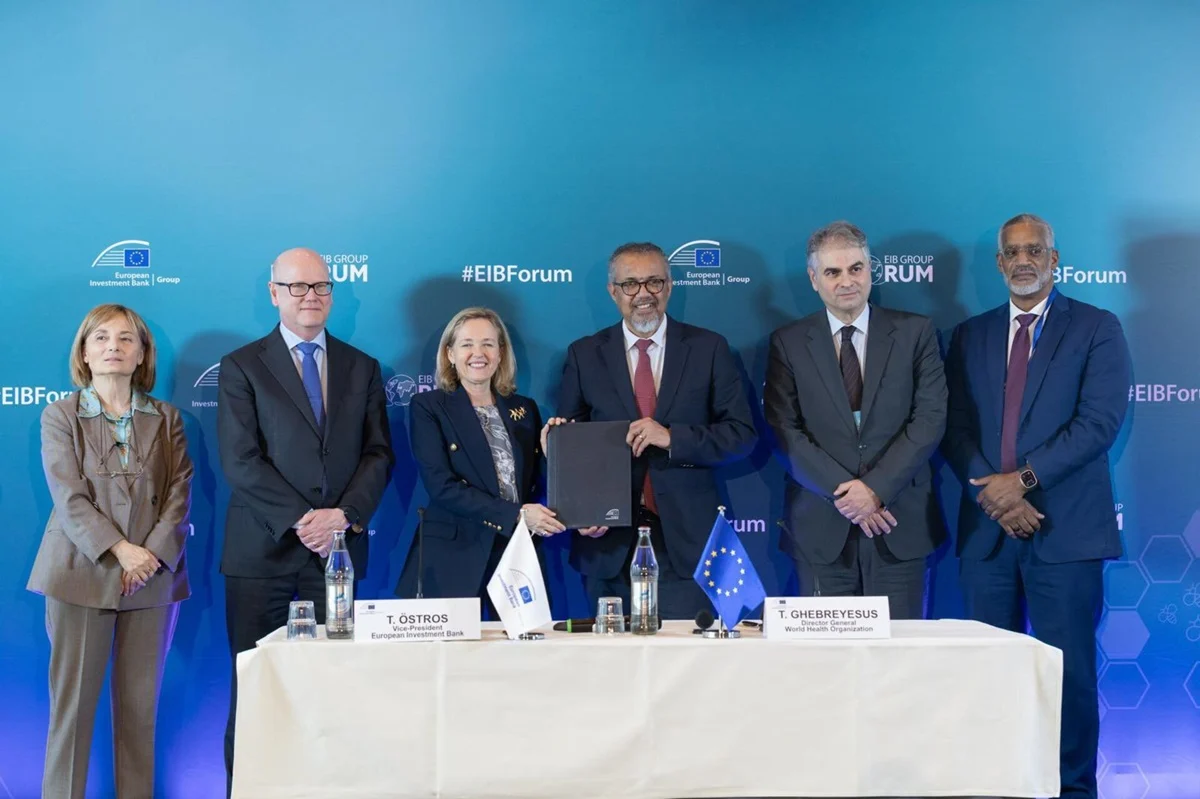
In a pivotal development aimed at bolstering the critically strained healthcare infrastructure of Lebanon, a significant financial commitment of €10 million has been formalized between the European Investment Bank (EIB Global) and the World Health Organization (WHO). The agreement, signed on March 6, 2025, during the EIB Group Forum held in Luxembourg, represents a concerted effort by international partners to address profound public health challenges in the Levant nation. Dr. Tedros Adhanom Ghebreyesus, Director-General of the WHO, and Thomas Östros, Vice-President of EIB Global, jointly endorsed this crucial initiative, which is designed to deliver immediate and lasting improvements to the health sector.
This substantial grant arrives at a moment of acute need for Lebanon, a country grappling with an unprecedented multi-layered crisis that has severely eroded its public services, including healthcare. Decades of underinvestment, compounded by economic collapse, political instability, and the devastating Beirut port explosion in 2020, have pushed the nation’s health system to the brink of collapse. Hospitals have struggled with severe funding shortages, critical equipment has become scarce, and a mass exodus of medical professionals has left a significant void in expertise and staffing. The consequences are dire for the Lebanese population, who face dwindling access to essential medical care and life-saving medications.
Central to the newly announced initiative is the comprehensive restoration and operationalization of Lebanon’s Central Public Health Laboratory. This facility is not merely a diagnostic center but the cornerstone of a nation’s health security framework. A fully functional central laboratory is indispensable for robust disease surveillance, enabling the early detection and rapid response to infectious disease outbreaks, whether they are endemic, epidemic, or novel pathogens. It plays a critical role in monitoring the quality and safety of food and water, conducting vital public health research, and ensuring the efficacy and authenticity of pharmaceutical products circulating within the country. The current state of the laboratory, like much of Lebanon’s public infrastructure, has been severely compromised, hindering the nation’s ability to safeguard its population against health threats. Re-establishing its full capabilities will provide the scientific foundation necessary for evidence-based public health policy and intervention, thereby strengthening the country’s resilience against future health crises.
Beyond infrastructure rehabilitation, a significant portion of the funding is allocated to direct patient support, specifically targeting individuals living with chronic, non-communicable diseases. The program aims to prioritize access to vital medications and ongoing healthcare services for over 50,000 Lebanese citizens afflicted by conditions such as diabetes, cardiovascular diseases, and various forms of cancer. For these patients, the ongoing crisis has meant disrupted supply chains for essential medicines, exorbitant costs for what little is available, and diminished access to regular consultations and specialized care. Such interruptions in treatment can lead to severe complications, increased morbidity, and premature mortality, placing an even greater burden on an already overwhelmed healthcare system. By ensuring consistent provision of necessary drugs and support services, the initiative seeks to alleviate immense suffering, improve quality of life, and prevent the catastrophic health outcomes that arise from untreated chronic conditions in a crisis setting.
The World Health Organization, as the leading global authority on public health, brings invaluable technical expertise and on-the-ground operational capacity to this partnership. With its mandate to promote health, keep the world safe, and serve the vulnerable, WHO’s involvement is critical for ensuring that the project adheres to international best practices and effectively addresses the most pressing health needs. The organization will likely play a crucial role in providing technical guidance for the laboratory’s reconstruction, developing protocols for disease surveillance, and advising on strategies for medication procurement and distribution. Furthermore, WHO’s extensive experience in health system strengthening and emergency response will be vital in navigating the complexities of implementing such a large-scale health intervention within Lebanon’s challenging environment, ensuring that the aid reaches its intended beneficiaries efficiently and equitably.
EIB Global, the development finance arm of the European Investment Bank, provides the essential financial impetus for this initiative. Its mission extends beyond the European Union, focusing on sustainable development, infrastructure projects, and fostering economic resilience in partner countries. This €10 million grant underscores EIB Global’s commitment to humanitarian and development objectives in the Middle East and North Africa (MENA) region, recognizing that a stable and healthy population is fundamental to long-term societal and economic recovery. By investing in public health, EIB Global is not merely addressing immediate humanitarian concerns but is also contributing to the foundational elements necessary for Lebanon’s eventual return to stability and growth. The Bank’s involvement signifies a broader European commitment to supporting Lebanon’s path towards recovery, aligning with its strategic goals of fostering human development and resilience against various shocks.
The collaboration between a global health authority like the WHO and a major development finance institution like EIB Global highlights an increasingly important model for addressing complex global challenges. Such multi-sectoral partnerships leverage the distinct strengths of each organization – WHO’s deep public health knowledge and EIB Global’s financial prowess – to create a more comprehensive and impactful response than either could achieve independently. The EIB Group Forum, where the agreement was signed, often serves as a platform for forging these strategic alliances, bringing together leaders from finance, development, and policy to discuss and commit to solutions for pressing global issues. This specific partnership is an exemplary illustration of how concerted international cooperation can be mobilized to tackle the intertwined humanitarian and development crises in fragile states.
Looking beyond the immediate project scope, this investment holds significant implications for Lebanon’s long-term health security and societal fabric. By rebuilding critical infrastructure and sustaining care for vulnerable populations, the initiative contributes to restoring public trust in governmental and international support mechanisms. It offers a tangible step towards reversing the alarming trend of medical brain drain by creating better-equipped facilities and more stable care environments. Ultimately, strengthening the public health system is not just about treating illness; it is about building a more resilient nation capable of withstanding future shocks, promoting equitable access to health services, and laying the groundwork for sustainable human development. The commitment to enhance Lebanon’s preparedness for potential health crises is a forward-looking strategy that recognizes the interconnectedness of health, stability, and prosperity.
While the funding marks a crucial turning point, the implementation of such an ambitious program in a volatile context like Lebanon will undoubtedly face challenges. Political complexities, logistical hurdles, and the need for robust oversight mechanisms to ensure accountability and prevent diversion of funds will require continuous vigilance and adaptability from both WHO and EIB Global. Effective coordination with local authorities, civil society organizations, and other international actors will be paramount to maximize the impact of this grant and ensure its benefits reach those most in need. Transparency in project execution and financial management will be key to building confidence among stakeholders and the Lebanese public.
In conclusion, this €10 million grant represents more than just financial aid; it embodies a renewed commitment from the international community to the well-being of the Lebanese people. By simultaneously addressing critical infrastructure decay through the rehabilitation of the Central Public Health Laboratory and providing essential care for chronic disease patients, this initiative offers a dual pathway to immediate relief and long-term health system recovery. It is a beacon of hope for thousands of individuals and a foundational step towards rebuilding a healthier, more resilient Lebanon, underscoring the vital role of global solidarity in times of profound crisis.
About the Author