The human liver, a vital organ responsible for detoxification, metabolism, and nutrient synthesis, faces an array of threats that can compromise its function. Historically, the primary culprits behind liver disease have been well-established: excessive alcohol consumption, the growing epidemic of non-alcoholic fatty liver disease (NAFLD) often linked to obesity, diabetes, and high cholesterol, and chronic viral infections such as hepatitis B and C. These factors have long formed the bedrock of understanding for clinicians and researchers grappling with the rising global burden of liver ailments. However, emerging scientific investigations are beginning to peel back new layers, suggesting that environmental contaminants, previously underappreciated in their hepatotoxic potential, may play a significant, silent role in the progression of liver damage.
A groundbreaking study conducted by researchers at Keck Medicine of USC, recently published in the esteemed journal Liver International, has brought one such environmental chemical into sharp focus: tetrachloroethylene, more commonly known as PCE. The findings from this comprehensive analysis indicate a compelling association between human exposure to PCE and a heightened predisposition to severe liver fibrosis, a critical precursor to more advanced and life-threatening liver conditions. PCE, a synthetic chlorinated hydrocarbon, is a ubiquitous industrial solvent, predominantly recognized for its efficacy in dry cleaning processes. Beyond its commercial garment care applications, it also finds its way into various consumer products, including certain adhesives utilized in arts and crafts, specialized spot removers, and polishes designed for stainless steel, thereby broadening the potential avenues for human contact.
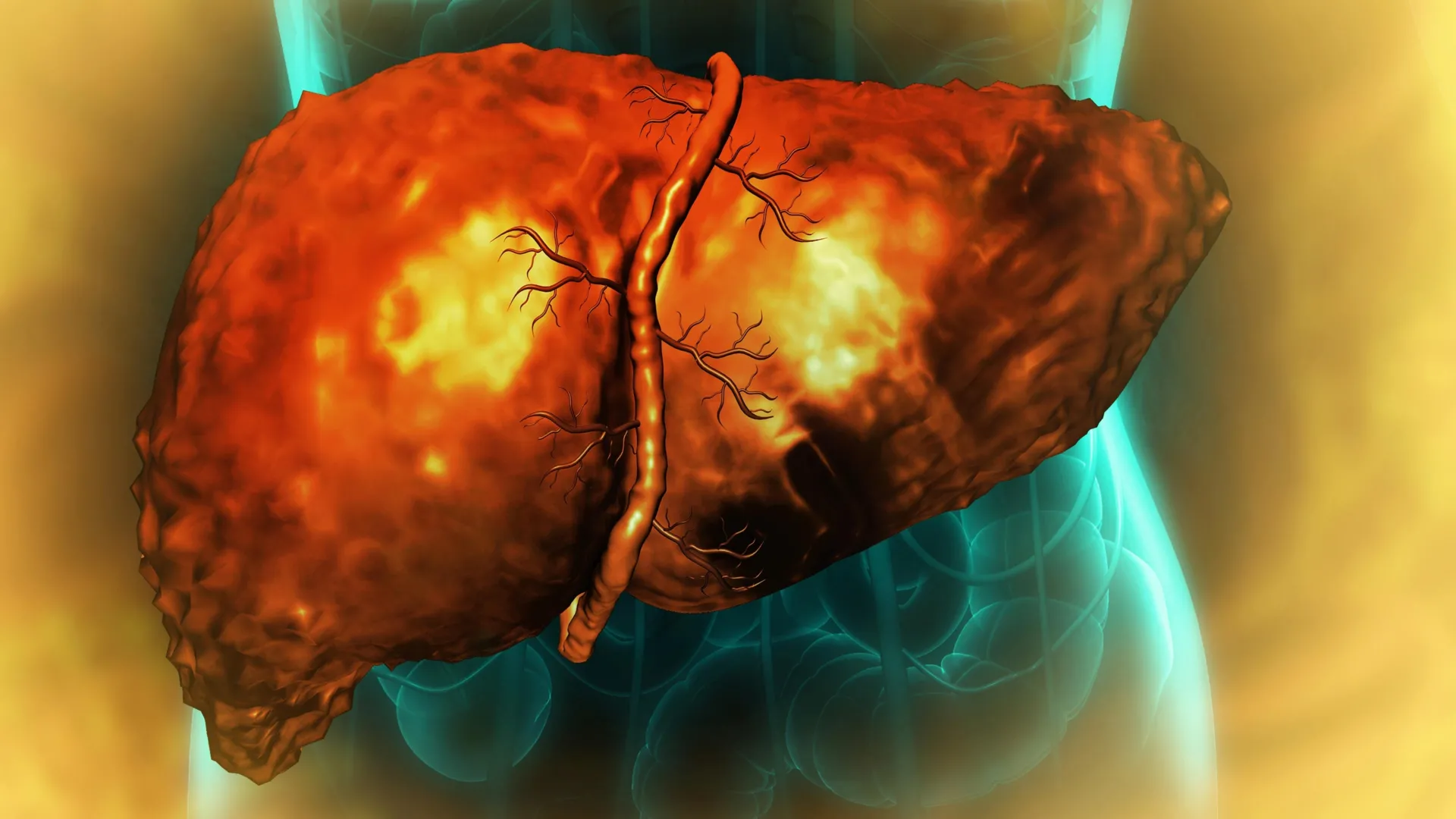
The research illuminated a stark statistical reality: individuals with detectable levels of PCE in their bloodstream were found to be three times more likely to exhibit significant liver fibrosis compared to those without any measurable exposure. Liver fibrosis itself is a pathological process characterized by the excessive accumulation of scar tissue within the liver parenchyma. This scarring is typically a reparative response to chronic or repeated injury, where the liver attempts to heal itself. However, if this process becomes persistent and widespread, the fibrous tissue can disrupt the intricate architecture of the liver, impeding its critical functions. Untreated or progressive fibrosis can lead to cirrhosis, a severe form of scarring that permanently alters liver structure, ultimately increasing the risk of liver failure, hepatocellular carcinoma (liver cancer), and premature mortality.
Further reinforcing the robustness of their observations, the research team identified a dose-dependent relationship between PCE exposure and the likelihood of developing significant liver scarring. As the quantifiable concentration of PCE in a person’s blood increased, so too did the probability of encountering substantial liver fibrosis. This gradient of risk underscores the potential direct impact of the chemical, suggesting that higher exposure levels correspond to a greater detrimental effect on liver health. Dr. Brian P. Lee, a distinguished hepatologist and liver transplant specialist affiliated with Keck Medicine and the principal investigator for this study, emphasized the profound implications of these discoveries. He noted that this particular investigation represents the inaugural exploration into the correlation between human PCE levels and significant liver fibrosis, highlighting the under-reported influence of environmental elements on hepatic well-being. Dr. Lee posited that exposure to PCE might be the critical differentiator explaining why an individual with an otherwise pristine health profile and demographic background might develop liver disease, while another with identical characteristics remains unaffected.
The pervasive nature of PCE stems from its unique chemical properties. It is a colorless, non-flammable liquid, characterized by a sweet, ether-like odor. Its exceptional ability to dissolve organic compounds, particularly greases and oils, has made it invaluable across a spectrum of industrial and domestic applications. In the dry-cleaning industry, PCE serves as the primary solvent, effectively removing stains and dirt from fabrics without the use of water. However, this very utility also creates pathways for human exposure. One of the principal routes of entry into the human body is through inhalation. Dry-cleaned garments, even after they are returned from the cleaners, can continue to off-gas minute quantities of PCE into the ambient air within homes, vehicles, and workplaces over extended periods. Consequently, individuals frequently interacting with or wearing such clothing may experience chronic low-level inhalation exposure.
Beyond airborne particles, PCE can also infiltrate drinking water supplies. Accidental spills, improper disposal practices, or leaks from industrial storage facilities can allow the chemical to seep through soil layers and contaminate groundwater reservoirs. This introduces another significant pathway for human exposure through the consumption of tainted water. While less common, direct dermal contact with PCE, for instance through the handling of certain consumer products or industrial materials, also poses a potential risk.
Concerns regarding the toxicological profile of PCE are far from nascent. International regulatory bodies and public health organizations have long scrutinized its potential health hazards. The International Agency for Research on Cancer (IARC), a specialized cancer agency of the World Health Organization, has classified tetrachloroethylene as a "probable human carcinogen" (Group 2A). This classification is based on compelling evidence from animal studies and limited evidence from human epidemiological research, linking exposure to an elevated risk of specific cancers, including bladder cancer, multiple myeloma, and non-Hodgkin lymphoma. Dr. Lee further corroborated that prior research has also indicated an increased susceptibility to liver cancer in populations exposed to PCE.
Recognizing these inherent risks, environmental protection agencies worldwide have taken steps to mitigate exposure. In the United States, the Environmental Protection Agency (EPA) initiated a comprehensive 10-year phaseout program for PCE’s use in dry cleaning operations, reflecting a concerted effort to transition industries toward safer, alternative solvents. Furthermore, the agency has enacted prohibitions on certain other applications of PCE and implemented stringent workplace safety regulations to safeguard workers in industries where its use persists. Despite these progressive measures, the chemical continues to be encountered in specific product formulations and industrial processes, particularly in regions or countries lacking comparable regulatory frameworks or enforcement capabilities. This highlights the ongoing global challenge of managing persistent environmental pollutants.
To meticulously investigate the hypothesized link between PCE and liver disease, Dr. Lee and his collaborative team leveraged data from the National Health and Nutrition Examination Survey (NHANES). NHANES is a nationally representative, cross-sectional survey conducted by the U.S. Centers for Disease Control and Prevention (CDC), designed to assess the health and nutritional status of adults and children in the United States. This invaluable dataset combines interviews, physical examinations, and biochemical measurements, offering a rich repository of public health information. The researchers specifically analyzed blood measurements collected from participants aged 20 and older between 2017 and 2020, representing the most current period for which the requisite data on PCE levels and liver health indicators were available. Their analysis revealed that approximately 7% of the surveyed U.S. adult population exhibited detectable concentrations of PCE in their blood, underscoring the widespread nature of exposure.
The subsequent phase of their investigation focused on correlating these detectable PCE levels with the prevalence of significant liver fibrosis. The compelling finding that individuals with measurable PCE in their blood were three times more likely to have significant liver fibrosis remained statistically robust even after meticulously adjusting for a range of confounding demographic and health variables, including age, sex, racial and ethnic background, and educational attainment. This rigorous control for potential confounders strengthens the observed association, suggesting an independent contribution of PCE exposure to liver scarring.
Intriguingly, the analysis also unearthed an unexpected socioeconomic pattern. The study indicated that individuals residing in higher-income households appeared to have a greater propensity for PCE exposure. Dr. Lee offered a plausible explanation for this observation, suggesting that affluent individuals might more frequently utilize professional dry-cleaning services, thereby increasing their cumulative exposure to the chemical. He concurrently emphasized that, conversely, workers employed within dry-cleaning establishments themselves likely face an even greater, elevated risk due to sustained and direct occupational exposure to high concentrations of PCE over prolonged periods. This dual exposure dynamic highlights the complex interplay of lifestyle and occupational factors in environmental health.
The relationship between exposure and the severity of liver fibrosis became even more pronounced when researchers delved into the specific concentrations of PCE in the blood. For every one nanogram per milliliter increase in PCE concentration—a nanogram being one-billionth of a gram—the statistical odds of an individual presenting with significant liver fibrosis escalated by an astonishing five-fold. This powerful dose-response relationship provides further mechanistic credibility to the observed association, indicating that higher internal doses of PCE translate into a substantially magnified risk of liver damage.
Perhaps one of the most profound implications of this research lies in its potential to elucidate cases of liver disease that have historically defied conventional explanation. A striking observation from the study was the apparent independence of PCE-associated liver fibrosis from the well-known risk factors of alcohol consumption and fat accumulation in the liver. In other words, the presence of PCE in the blood correlated with significant liver fibrosis irrespective of whether individuals engaged in heavy drinking or suffered from obesity-related liver conditions. This raises a compelling possibility: environmental exposures like PCE could serve as the missing puzzle piece for a subset of patients who develop liver disease without any of the traditional predisposing factors. Dr. Lee articulated this diagnostic challenge, noting that patients frequently inquire about the etiology of their liver disease when they abstain from alcohol and lack other common health conditions. He suggested that, in such instances, PCE exposure could indeed provide the elusive answer.
While the study meticulously establishes a strong statistical association and a dose-dependent risk increase, it is important to acknowledge that it does not definitively prove a direct causal link between PCE exposure and liver fibrosis. Establishing causation typically requires long-term prospective studies or controlled experimental designs. Nevertheless, the compelling nature of these findings strongly advocates for enhanced scrutiny of environmental chemicals in the broader context of liver research.
Looking ahead, Dr. Lee expressed hope that subsequent investigations will broaden their scope to encompass a wider spectrum of environmental chemicals and their potential ramifications for hepatic health. He underscored his conviction that numerous other environmental toxins, beyond PCE, likely pose significant threats to the liver. Furthermore, he believes that the insights gleaned from this research could eventually revolutionize clinical practice, empowering medical professionals to identify liver disease at earlier stages in individuals who might not fit the profile of traditional risk factors.
The research team aims for these findings to elevate public awareness and enhance the understanding among physicians regarding the intricate connection between PCE exposure and significant liver fibrosis. By increasing screening efforts for liver fibrosis among individuals with known or suspected PCE exposure, the disease can be detected sooner. Early diagnosis, in turn, offers patients a substantially improved prognosis, affording them a better opportunity to implement interventions, modify exposure, and potentially recover or preserve their vital liver function, thereby mitigating the devastating long-term consequences of advanced liver disease.
About the Author