Immune System’s Unsung Heroes: Newly Identified Signal Orchestrates Spinal Cord Repair.
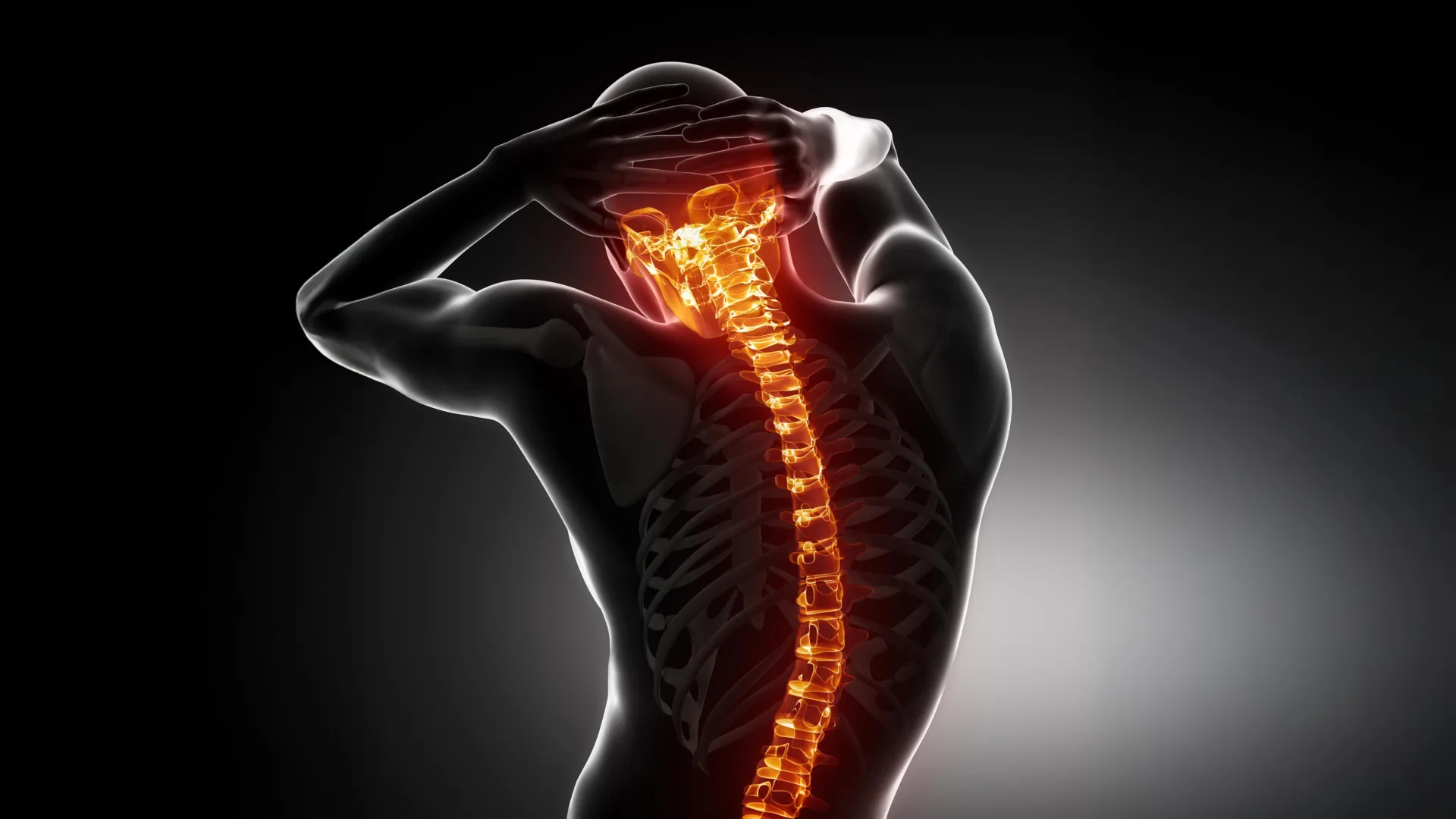
The intricate network of the immune system, a complex biological defense mechanism, operates through a diverse array of cellular players that collaborate seamlessly, particularly in the aftermath of tissue damage. Among the very first responders to arrive at the scene of an injury are neutrophils, a class of white blood cells historically characterized primarily by their role as a "cleanup crew," tasked with the essential but seemingly rudimentary function of clearing away cellular debris and foreign invaders. However, groundbreaking new investigations have begun to unveil a far more sophisticated and crucial involvement for these ubiquitous cells, suggesting they are not merely passive scavengers but active orchestrators of the healing process.
Recent research, spearheaded by Professor Thomas Becker and his team, has illuminated a previously underestimated capacity within a specific subset of neutrophils to exert significant influence over the trajectory of tissue repair, particularly within the challenging environment of the spinal cord. This specialized group of immune cells appears to possess the remarkable ability to modulate and direct the broader immune response, skillfully steering it away from the destructive cascade of unchecked inflammation and instead fostering an environment conducive to regeneration. At the heart of this newfound understanding lies the identification of a pivotal molecular messenger, a cytokine known as Interleukin-4 (IL-4), which acts as the critical signal mediating this pro-regenerative shift.
To meticulously dissect the precise mechanisms by which neutrophils contribute to the intricate process of healing, the research team turned their attention to larval zebrafish, a species renowned for its extraordinary capacity to regenerate damaged spinal cords. This model organism provided an invaluable window into the dynamic interplay between immune cells and signaling molecules during the critical phases of injury and subsequent repair. By closely observing the activation patterns of these immune cells and the temporal presence of the IL-4 signaling molecule at the injury site, the scientists were able to pinpoint their functional significance.
The experimental manipulation undertaken by the researchers involved the targeted inactivation of this particular neutrophil subgroup within the zebrafish model. The consequences of this intervention were profound and demonstrative of the neutrophils’ crucial role. When these specific neutrophils were prevented from carrying out their function, the ensuing immune response rapidly devolved into an unbalanced and detrimental state. Concurrently, other immune cells initiated an overproduction of potent inflammatory proteins, unleashing an uncontrolled inflammatory reaction that proved highly detrimental to tissue recovery. This dysregulated inflammatory milieu ultimately crippled the zebrafish’s ability to effectively regrow damaged nerve fibers, severely impairing their motor function and hindering their overall recovery.
In a compelling demonstration of the restorative power of the identified signaling pathway, the researchers observed a dramatic reversal of these negative outcomes when IL-4 was exogenously introduced directly into the injured spinal cord region. The administration of IL-4 effectively quelled the excessive inflammation, creating a more hospitable environment for cellular repair. Remarkably, under these conditions, the spinal cords of the zebrafish regenerated perfectly, enabling a full recovery of motor function, even in the absence of the specific neutrophil population that had been initially inactivated. This finding underscored the molecule’s potent capacity to override the inflammatory blockade and initiate the regenerative cascade.
Professor Thomas Becker, who led this pivotal study, articulated the significance of these findings, stating, "For the first time, we have shown that neutrophils play a massive, active role in successfully repairing a spinal cord. They aren’t just there to clear away debris; they act like conductors that tell other immune cells to return to a harmonious rhythm. Without them, the immune system locks into a destructive cycle and prevents healing. By using the IL-4 molecule, the neutrophils smooth out the inflammation, allowing the delicate nerve fibers to grow right through the injury zone." This analogy vividly illustrates the shift in perspective from neutrophils as mere cellular janitors to sophisticated immune regulators.
A fundamental and long-standing challenge in the field of regenerative medicine revolves around understanding the stark dichotomy in spinal cord injury recovery between species like zebrafish and humans. While zebrafish can achieve remarkable functional restoration after severe spinal cord damage, the human central nervous system, following injury, typically exhibits a response that exacerbates damage through persistent inflammation rather than promoting the regeneration of injured neural tissue. This inherent difference has presented a formidable barrier to developing effective human therapies.
The inherent regenerative capabilities of zebrafish offer researchers an invaluable and naturalistic model for dissecting the molecular and cellular underpinnings of successful regeneration. The insights gleaned from this latest study reinforce and significantly expand upon the growing consensus that the judicious control of inflammation is not merely a byproduct of healing but an absolutely essential prerequisite for effective tissue repair. Furthermore, these findings contribute to a more nuanced and detailed understanding of how specific immune signals, when deployed at the opportune moment, can actively sculpt the cellular microenvironment to facilitate the regrowth of critical nerve fibers.
The implications of this research extend beyond the immediate understanding of zebrafish biology, naturally prompting a crucial question: to what extent can these findings be extrapolated to the human condition? The research team is now actively engaged in exploring whether analogous biological processes operate within human tissues. "Of course, the question is to what extent our results apply to humans. It remains to be seen if IL-4 plays a similar role in humans and whether it can finely balance the inflammation, allowing for better healing at the injury site," commented Xiaobo Tian, a key researcher involved in the study. He added, "It is definitely a very promising avenue for future studies in humans." This avenue of inquiry holds immense potential for the development of novel therapeutic strategies aimed at promoting spinal cord repair in humans.
The collaborative effort that yielded these significant discoveries involved an international contingent of scientists, with primary leadership from Xiaobo Tian and Professor Thomas Becker. Their work was conducted under the auspices of esteemed institutions, including the Center for Regenerative Therapies Dresden (CRTD) at TU Dresden, the Cluster of Excellence Physics of Life, and the Centre for Discovery Brain Sciences at the University of Edinburgh. The research was generously supported by funding from the Chinese Scholarship Council and the Alexander-von-Humboldt Foundation, underscoring the global commitment to advancing the frontiers of regenerative medicine. The identification of IL-4’s role in neutrophil-mediated spinal cord regeneration represents a critical step forward in demystifying the complex immune responses that govern healing and offers a beacon of hope for future therapeutic interventions.

Related News