
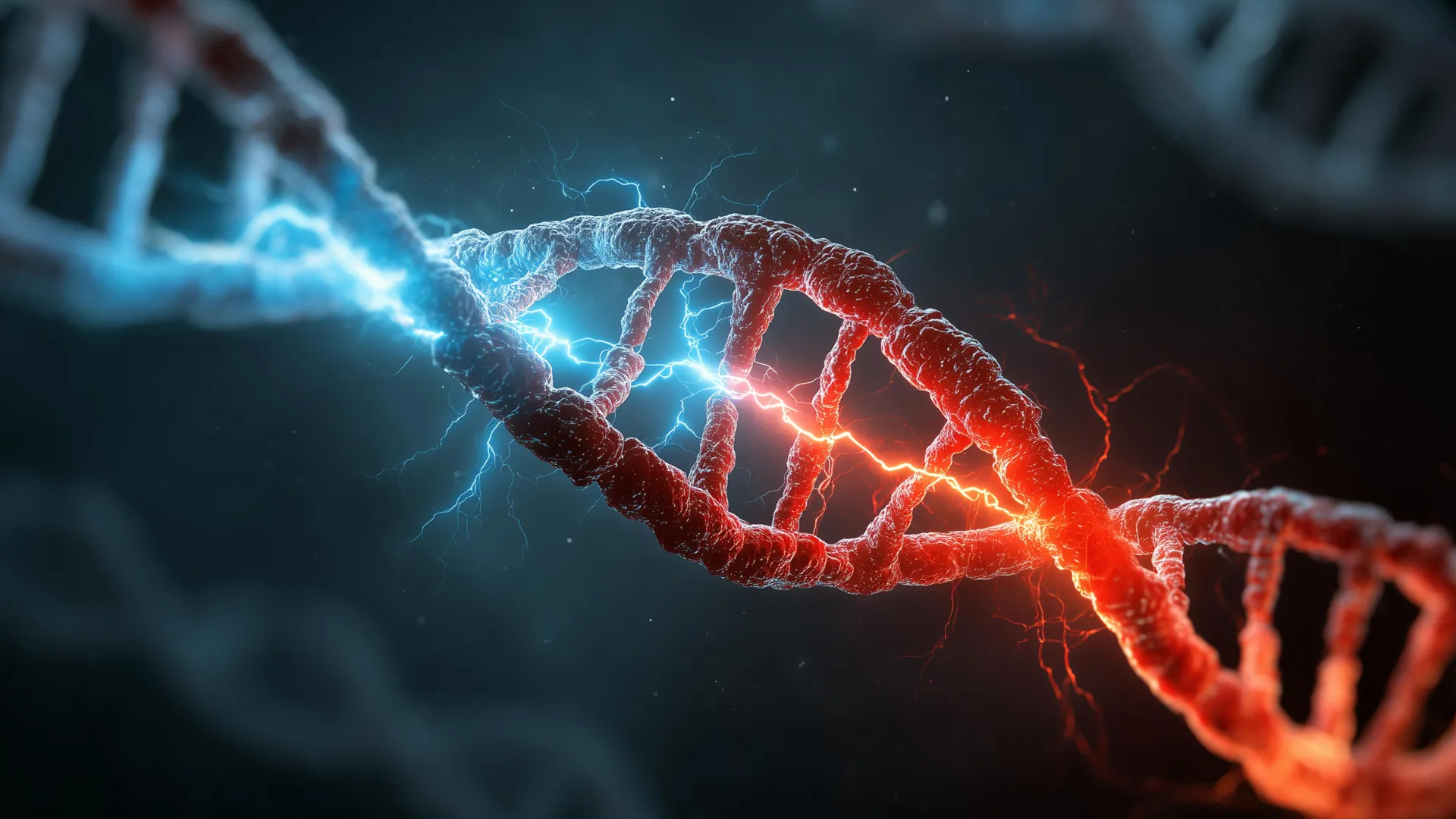
A groundbreaking discovery by researchers at Houston Methodist has illuminated a profound connection between a protein implicated in devastating neurodegenerative disorders, such as frontotemporal dementia (FTD) and amyotrophic lateral sclerosis (ALS), and the fundamental cellular machinery responsible for maintaining the integrity of our genetic blueprint. This protein, known as TDP43, has been revealed to exert significant influence over a crucial DNA repair pathway, a finding that carries substantial implications for our understanding of both neurological diseases and the development of cancer. The research, meticulously detailed in the esteemed journal Nucleic Acids Research, moves beyond previous understandings of TDP43 as merely a factor involved in RNA processing, positioning it as a critical linchpin in the intricate process of DNA mismatch repair.
DNA mismatch repair (MMR) is an essential cellular surveillance system, acting as a vigilant editor that corrects errors inevitably introduced during the complex process of DNA replication. These errors, if left unaddressed, can lead to an accumulation of mutations, a hallmark of genomic instability that significantly elevates the risk of cancerous transformation. The Houston Methodist team’s investigation has demonstrated that TDP43 plays a pivotal regulatory role in this vital MMR pathway. Their findings indicate a delicate balance: when the cellular levels of TDP43 deviate from their optimal range – either becoming deficient or excessively abundant – the genes responsible for DNA error correction become aberrantly activated. This overzealous repair activity, rather than serving a protective function, can paradoxically inflict damage upon neurons and destabilize the genome, thereby increasing susceptibility to various malignancies.
The study’s lead investigator, Dr. Muralidhar L. Hegde, a distinguished professor of neurosurgery at the Houston Methodist Research Institute’s Center for Neuroregeneration, emphasized the fundamental nature of DNA repair in biological systems. He articulated that their revelation of TDP43’s direct involvement in regulating the MMR machinery represents a significant paradigm shift. "DNA repair is one of the most fundamental processes in biology," Dr. Hegde stated, underscoring the far-reaching consequences of this discovery for conditions like ALS and FTD, where TDP43 is known to undergo pathological alterations. The aberrant behavior of TDP43 in these neurological conditions, it now appears, is intricately linked to its dysregulation of DNA repair mechanisms, suggesting a common molecular undercurrent.
Beyond its implications for neurodegeneration, the research has unearthed compelling evidence linking TDP43 to oncogenesis. By meticulously analyzing extensive cancer genomic databases, the research team observed a correlation between elevated levels of TDP43 and a higher mutational burden within tumor cells. This finding strongly suggests that TDP43’s influence extends beyond the nervous system, positioning it at a critical intersection of two of the most formidable disease categories confronting humanity: neurodegenerative disorders and cancer. "This tells us that the biology of this protein is broader than just ALS or FTD," Dr. Hegde remarked, highlighting the protein’s multifaceted role in cellular health and disease. In the context of cancer, TDP43 appears to be upregulated, contributing to an increased propensity for genetic alterations within cancerous growths, thereby potentially accelerating tumor progression and evolution.
The discovery of TDP43’s dual role offers a glimmer of hope for novel therapeutic interventions. In experimental models, the researchers observed that modulating and reducing the excessive DNA repair activity, which was triggered by the abnormal presence of TDP43, could partially ameliorate cellular damage. This suggests that targeting the MMR pathway, influenced by TDP43, could represent a promising therapeutic strategy. By re-establishing a more regulated DNA repair process, it may be possible to mitigate the detrimental effects associated with TDP43 dysfunction in both neurological diseases and cancer. The intricate dance between TDP43 and DNA repair mechanisms presents a novel avenue for pharmacological exploration, aiming to restore cellular homeostasis and prevent disease progression.
The collaborative nature of this research underscores the complexity of such scientific endeavors, with contributions from a wide array of institutions and researchers. Key collaborators from Houston Methodist included Vincent Provasek, Suganya Rangaswamy, Manohar Kodavati, Joy Mitra, Vikas Malojirao, Velmarini Vasquez, Gavin Britz, and Sankar Mitra. Further essential contributions were provided by Albino Bacolla and John Tainer from the MD Anderson Cancer Center, Issa Yusuf and Zuoshang Xu from the University of Massachusetts, Guo-Min Li from UT Southwestern Medical Center, and Ralph Garruto from Binghamton University. This multidisciplinary effort was primarily fueled by significant financial support from the National Institute of Neurological Disorders and Stroke (NINDS) and the National Institute on Aging of the National Institutes of Health (NIH), alongside funding from the Sherman Foundation Parkinson’s Disease Research Challenge Fund and internal resources from the Houston Methodist Research Institute. This multifaceted support highlights the recognized importance and potential impact of this line of investigation in addressing critical public health challenges. The intricate mechanisms governing DNA repair and their intricate relationship with neurodegenerative processes and cancer development are complex and require sustained, comprehensive research efforts. This recent finding represents a significant stride in unraveling these complex biological interdependencies, potentially paving the way for more targeted and effective treatments in the future. The implications of TDP43’s role in DNA mismatch repair are vast, touching upon the very foundations of cellular health and disease, and offer a fertile ground for continued scientific inquiry.
About the Author












