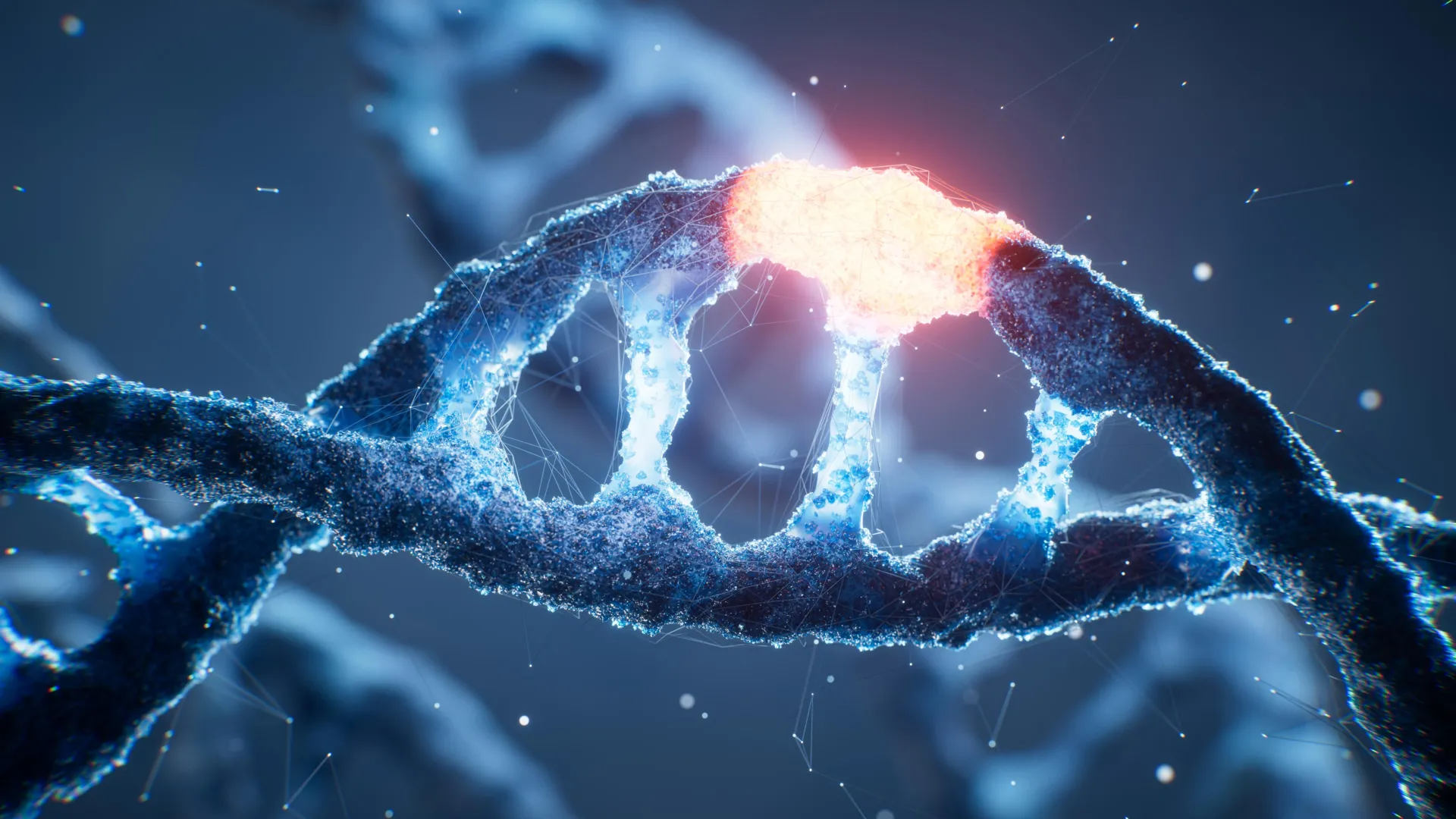
The intricate symphony of life, from the earliest stages of embryonic development to the ongoing maintenance of cellular function throughout adulthood, relies on a precisely orchestrated dance of genetic expression. Tens of thousands of genes, the fundamental units of heredity, must be activated and silenced at specific moments and within particular cellular environments to ensure proper biological processes. This complex regulatory system is guided by specialized segments of DNA, acting as molecular conductors that direct the synthesis of essential components like enzymes, hormones, and structural proteins, all vital for cellular viability and organismal health. Disruptions in this finely tuned gene activation process can lead to cellular dysfunction, paving the way for a spectrum of diseases, including the uncontrolled proliferation characteristic of cancer.
A pivotal area of investigation for scientists seeking to unravel the mechanisms of gene control centers on critical DNA elements known as "initiators." These sequences serve as the initial docking sites, signaling the precise point where the genetic blueprint encoded within a gene will be transcribed and translated into a functional molecular product. Understanding the precise sequence and function of these initiators is therefore paramount to comprehending the fundamental processes of life and disease.
In a significant advancement, researchers affiliated with the laboratory of Professor James T. Kadonaga at the University of California San Diego have successfully decoded the specific DNA sequence patterns that define these crucial initiator elements. Their groundbreaking study, spearheaded by graduate student researcher Torrey Rhyne-Carrigg, employed a sophisticated, high-throughput DNA sequencing methodology. This powerful technique allowed the team to meticulously measure the gene expression activity across an expansive library of approximately 500,000 distinct variations of the initiator sequence.
The generated dataset, rich with information on how each initiator variant influenced gene activity, served as the foundation for training a cutting-edge machine learning system. This form of artificial intelligence, designed to identify complex patterns within vast amounts of data, was tasked with discerning the characteristic DNA signature associated with functional initiators. Upon successfully learning this unique molecular fingerprint, the AI model was then deployed to scan the human genome. The results revealed a remarkable finding: approximately 60% of human genes incorporate an initiator sequence, underscoring its widespread importance in gene regulation.
Professor Kadonaga, a distinguished figure in the UC San Diego Department of Molecular Biology within the School of Biological Sciences, highlighted the transformative impact of this AI-driven approach. "These AI models have demonstrated, for the first time, the capacity to provide robust predictions regarding the presence or absence of the initiator sequence within human genes," he stated, emphasizing the breakthrough in their ability to "decode the DNA base sequence pattern of the initiator." This achievement represents a substantial leap forward in our ability to interpret the language of DNA.
The implications of this research extend far beyond fundamental biological understanding, offering tangible benefits for medical diagnostics and therapeutic development. By accurately identifying the critical sequences of the initiator, scientists are now better equipped to predict the potential consequences of DNA mutations that might occur within these regions. Such mutations could subtly or dramatically alter gene activity, potentially contributing to the development of a wide array of genetic disorders and complex diseases. This predictive capability opens new avenues for early disease risk assessment and personalized medicine approaches.
Furthermore, the comprehensive dataset and the sophisticated AI models developed in this study hold significant promise for the field of synthetic biology. Researchers can leverage this knowledge to design and engineer novel promoter sequences, custom-built DNA elements capable of precisely controlling gene expression – switching genes on or off with tailored functions. This capability has far-reaching applications, from developing advanced gene therapies for inherited diseases to creating novel biological tools for industrial biotechnology and scientific research.
On a broader scientific front, this collaborative endeavor exemplifies the powerful synergy that can be achieved by integrating rigorous laboratory experimentation with the analytical prowess of artificial intelligence. The study serves as a compelling demonstration of how these complementary disciplines can be harnessed to unlock the profound information encoded within the vast expanse of the human genome.
"On a more global scale, this work represents a significant stride in the combined application of laboratory-based investigations and artificial intelligence to decipher the wealth of information embedded within the sequential arrangement of DNA bases in humans," Professor Kadonaga elaborated. He further articulated a long-term vision: "Ultimately, within the six billion base pairs of DNA present in each of our cells, there exists a complex code governing gene expression that dictates precisely when, where, and to what extent each of our genes should be activated or silenced. If we were to possess an AI model capable of comprehending the entirety of this gene expression code, we would gain the ability to predict the activity of various gene variants in different individuals. The newly developed AI model for the initiator sequence, while a focused component, represents a critical and vital piece of this overarching gene expression code. I remain highly optimistic that our AI models of the human gene expression code will continue to expand and mature in the foreseeable future." This pioneering research not only illuminates a fundamental aspect of genetic regulation but also illuminates a path toward a more profound and actionable understanding of our own biological makeup.
About the Author