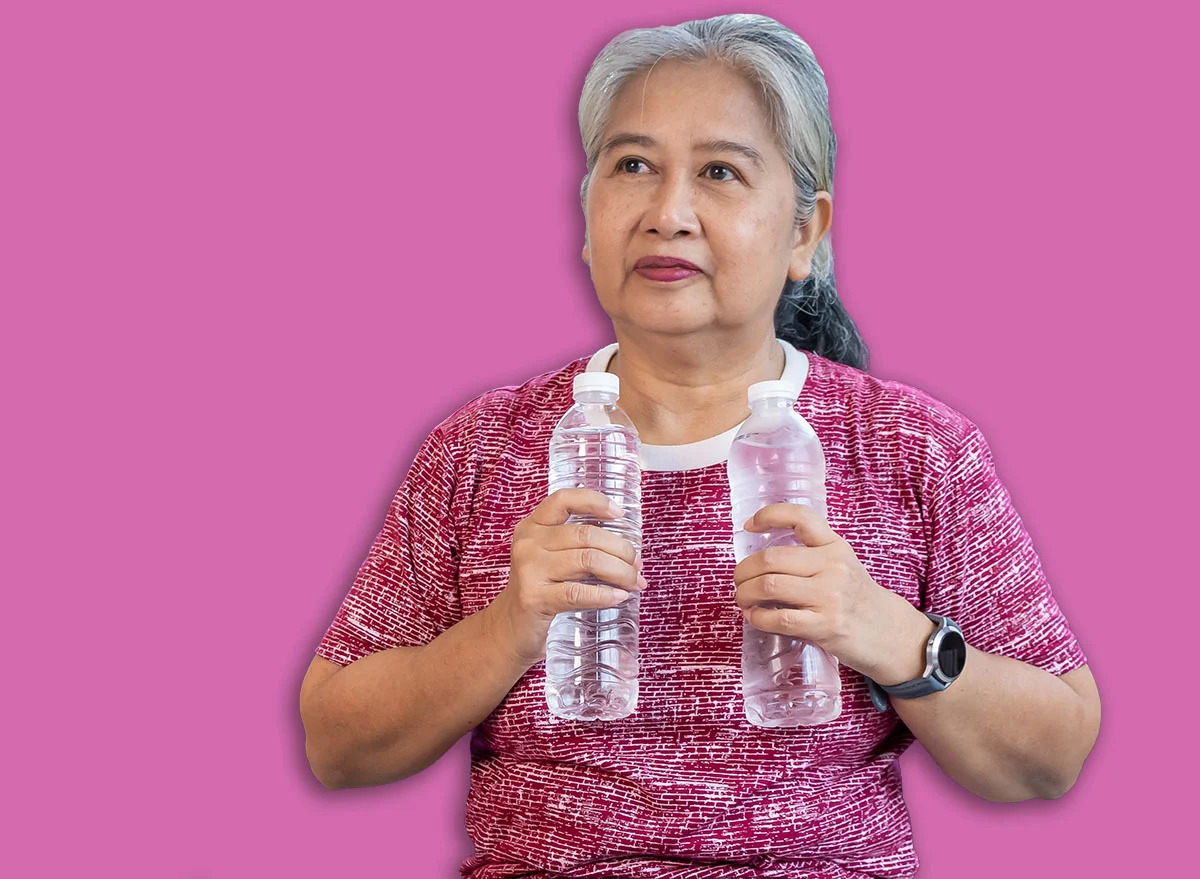
As the global population ages, maintaining physical autonomy and vitality becomes increasingly crucial. For individuals over 65, preserving or enhancing upper body strength is not merely about aesthetics; it is fundamental to sustaining independence in daily activities, preventing falls, and improving overall quality of life. While traditional gym equipment like dumbbells are effective, they can often be inaccessible, expensive, or intimidating for many older adults. This article explores an innovative and highly accessible approach to resistance training: utilizing ordinary water bottles to cultivate robust arm and shoulder strength from the comfort of one’s home.
The physiological process of aging often includes sarcopenia, a progressive and generalized loss of skeletal muscle mass and strength. This decline typically accelerates after the fifth decade of life, leading to reduced functional capacity, increased frailty, and a higher risk of adverse health outcomes. Engaging in regular resistance training is the most effective intervention to mitigate sarcopenia, promoting muscle protein synthesis, improving neuromuscular function, and enhancing muscular power. However, many seniors face barriers to consistent exercise, including limited mobility, lack of transportation to fitness centers, financial constraints, or a general apprehension towards heavy weights.
This is where the humble water bottle emerges as an unexpectedly powerful tool. Far from being a mere placeholder for heavier equipment, water bottles offer a unique set of advantages tailored specifically for an older demographic or those beginning their fitness journey. They are universally available, incur no additional cost, and can be adjusted with remarkable precision. A partially filled bottle provides minimal resistance, perfect for mastering movement patterns and engaging stabilizing muscles without undue strain. As strength progresses, simply adding more water incrementally increases the load, facilitating a gradual and safe form of progressive overload – a cornerstone of effective strength development. Furthermore, their familiar form factor and light weight can significantly lower the psychological barrier to starting an exercise program, making fitness feel less daunting and more achievable. This ease of setup often translates into higher adherence rates, turning sporadic intentions into consistent, beneficial routines.
The benefits of targeted upper body strengthening extend well beyond simply lifting heavier objects. Enhanced arm and shoulder strength directly translates into greater ease and safety in performing Activities of Daily Living (ADLs), such as lifting groceries, reaching for items on high shelves, pushing oneself up from a seated position, opening jars, or carrying grandchildren. Stronger muscles also contribute to improved posture, reducing the likelihood of developing chronic pain in the neck and shoulders. Moreover, resistance training has been shown to positively impact bone mineral density, offering a protective effect against osteoporosis and reducing fracture risk. Improved balance, often a concern for older adults, can also be indirectly supported by a strong core and upper body, contributing to greater stability and confidence in movement.
Before embarking on any new exercise regimen, particularly for individuals over 65, it is advisable to consult with a healthcare professional. Once cleared, the fundamental principles of safe and effective strength training should be applied. Prioritize impeccable form over the amount of resistance used. Movements should be controlled and deliberate, with a focus on the muscle contraction rather than momentum. Adequate warm-up, involving light cardiovascular activity and dynamic stretches, prepares the body for exertion, while a cool-down with static stretches aids flexibility and recovery. Consistency is paramount; aiming for two to three sessions per week, allowing for rest days in between, yields the best long-term results.
Here are five effective water bottle exercises designed to cultivate comprehensive upper body strength, emphasizing controlled movement and functional application:
1. Controlled Biceps Curl:
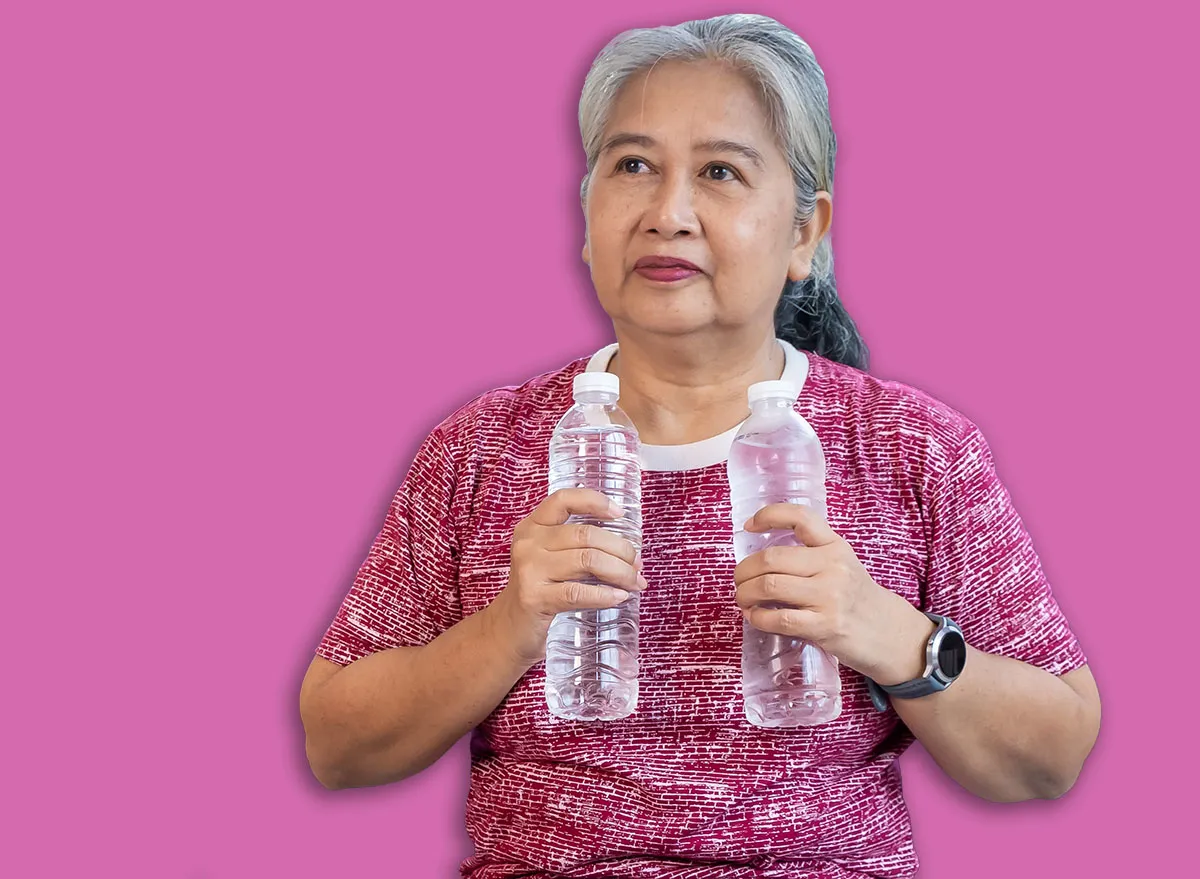
The biceps muscle is crucial for pulling and lifting actions, integral to everyday tasks like carrying bags or bringing objects closer. To perform this exercise, stand or sit upright, holding a water bottle securely in each hand with palms facing forward. Keep your elbows tucked close to your sides throughout the movement. Slowly flex your elbows, bringing the bottles upwards towards your shoulders in a smooth, arcing motion, concentrating on squeezing the biceps. Avoid swinging your arms or allowing your elbows to drift forward. Pause briefly at the peak of the contraction, then meticulously lower the bottles back to the starting position, resisting gravity with controlled precision. This deliberate lowering phase, known as the eccentric contraction, is particularly effective for muscle development. Aim for 2 to 3 sets of 10 to 15 repetitions. For increased challenge, consider a slower tempo or a larger bottle.
2. Overhead Triceps Extension:
The triceps muscles, located at the back of the upper arm, are essential for pushing movements, such as pushing up from a chair, extending an arm to reach an overhead cabinet, or straightening the elbow. To execute, sit or stand tall, holding a single water bottle with both hands, gripping it firmly at the base. Extend your arms directly overhead, keeping your elbows relatively close to your ears and pointed forward. Slowly lower the bottle behind your head by bending your elbows, feeling a stretch in your triceps. Ensure your upper arms remain stable and do not flare out to the sides. Once the bottle reaches a comfortable depth, powerfully extend your arms back to the starting overhead position, fully engaging the triceps. Perform 2 to 3 sets of 8 to 12 repetitions. If this range of motion feels challenging, reduce the depth of the movement or use a lighter bottle.
3. Forward Shoulder Elevation:
This exercise targets the anterior deltoids, the front part of the shoulder muscles, which are vital for lifting objects forward and upward, such as placing items on a counter or reaching into a cupboard. Begin by standing with a water bottle in each hand, arms extended downwards in front of your thighs, palms facing your body. Keeping a slight bend in your elbows, slowly raise the bottles straight in front of you until they reach approximately shoulder height. Focus on initiating the movement from your shoulders, not your neck or back. Avoid shrugging your shoulders towards your ears. Control the descent, allowing gravity to slowly guide the bottles back to the starting position. Maintain a steady posture throughout. Complete 2 to 3 sets of 8 to 12 repetitions. To modify, perform the exercise seated or alternate arms.
4. Lateral Shoulder Raise:
The lateral deltoids, responsible for the width of the shoulders, are engaged in movements that involve lifting arms out to the sides, crucial for tasks like putting on a coat or reaching for something beside you. Stand with a water bottle in each hand, arms at your sides, palms facing your body. With a slight bend in your elbows, slowly lift the bottles out to the sides, leading with your elbows. Imagine pouring water from the bottles at the top of the movement. Stop when your arms are roughly parallel to the floor, or slightly below shoulder height if that feels more comfortable or less strenuous on the rotator cuff. Consciously keep your shoulders depressed, away from your ears. Control the downward phase, resisting the pull of gravity. Aim for 2 to 3 sets of 8 to 12 repetitions. This exercise can be surprisingly challenging with even light resistance, so focus on precise control.
5. Supported Triceps Kickback:
This isolation exercise effectively targets the triceps, emphasizing the straightening motion of the elbow. It’s particularly useful for building endurance in pushing tasks. Lean forward slightly from your hips, maintaining a straight back, and support one hand on a stable surface like a chair or your thigh. Hold a water bottle in the other hand, with your upper arm tucked close to your side and parallel to the floor, forming a 90-degree angle at your elbow. Keeping your upper arm stationary, extend your forearm straight back, contracting the triceps forcefully at the top of the movement. Your arm should form a straight line from shoulder to wrist. Slowly return the bottle to the starting 90-degree position, maintaining control. Perform 2 to 3 sets of 10 to 12 repetitions per arm. Ensure your upper arm does not swing or drop during the movement.
To effectively progress with water bottle training, start with a resistance level that allows you to perform the recommended sets and repetitions with good form. As your strength increases, you can gradually add more water to the bottles, increase the number of repetitions within the suggested range, or add an extra set. Introducing a slower tempo, particularly during the lowering phase of each exercise, also intensifies the workout without requiring additional weight. Integrating short isometric holds at the peak contraction of a movement can further challenge the muscles. Listen attentively to your body; slight muscle soreness is normal, but sharp pain indicates that the exercise should be modified or stopped.
Incorporating these accessible water bottle exercises into a regular routine empowers individuals over 65 to proactively manage their physical health. It democratizes strength training, making it achievable for nearly anyone, anywhere. By fostering consistent engagement with resistance exercise, older adults can significantly enhance their functional capabilities, maintain independence, and cultivate a stronger, more resilient body, ensuring a higher quality of life for years to come. This approach underscores that effective fitness is not contingent on expensive equipment or gym memberships, but on consistent effort and smart utilization of available resources.
About the Author