
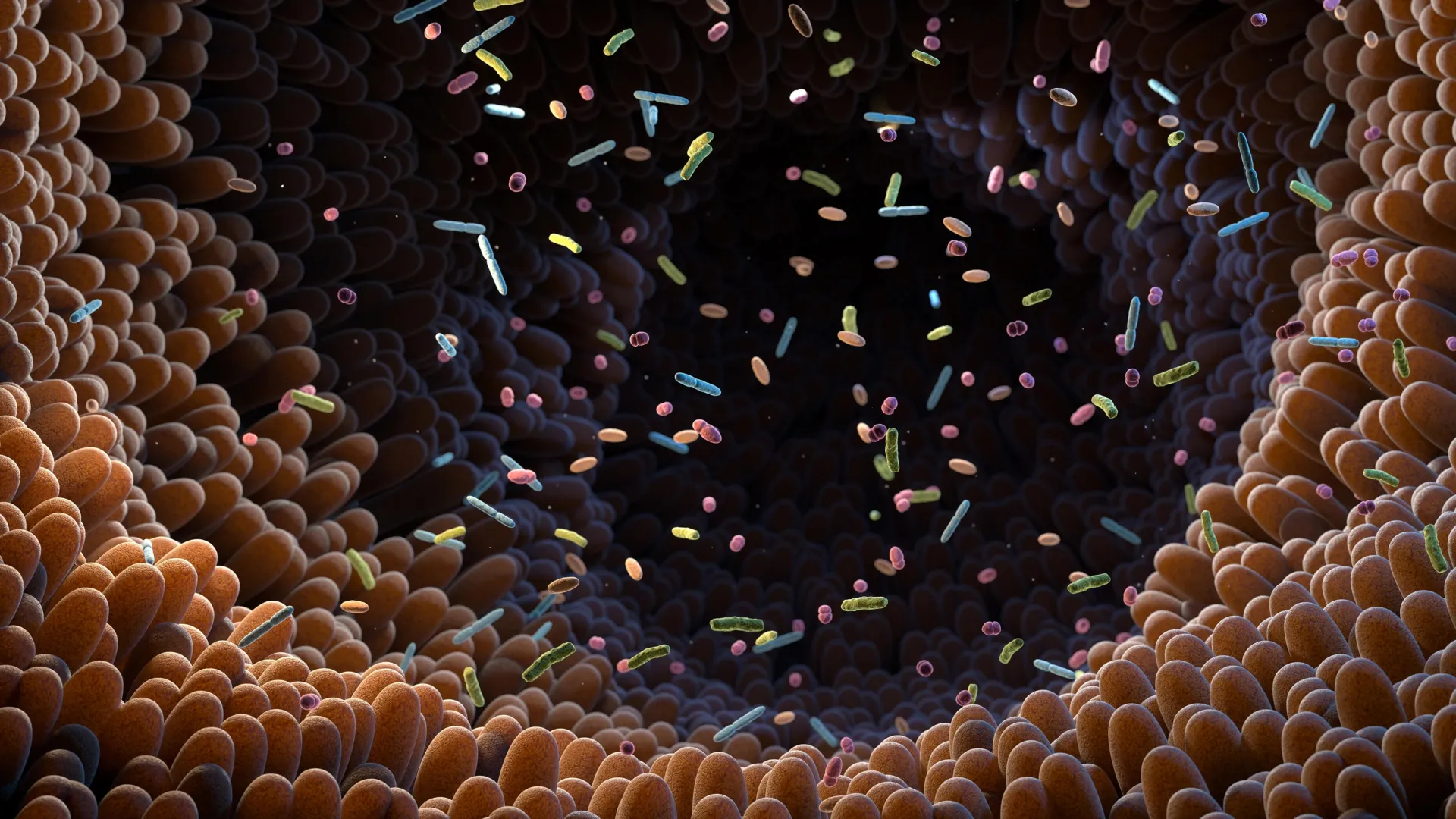
A groundbreaking investigation spearheaded by scientists at the Karolinska Institutet has illuminated a sophisticated biochemical pathway orchestrated by the body’s resident gut bacteria, revealing a novel mechanism through which dietary components, particularly those abundant in vegetables, may confer significant health advantages. This research, detailed in the prestigious journal Cell, pinpoints the transformation of inorganic nitrate and non-heme iron – common constituents of a plant-forward diet – into potent dinitrosyl iron complexes (DNICs), molecules with demonstrable potential to safeguard against prevalent cardiovascular and metabolic ailments. The implications of this discovery are far-reaching, suggesting a previously unappreciated synergy between our intestinal flora and crucial physiological regulatory processes.
Nitrate, a ubiquitous compound found in numerous plant species, reaches particularly high concentrations in root vegetables like beetroot and in leafy greens such as spinach, arugula, and various types of lettuce. Concurrently, non-heme iron, the less readily absorbed but nonetheless vital form of iron found in sources like legumes, whole grains, and an array of green vegetables, forms another cornerstone of many dietary patterns. It is the confluence of these two dietary elements within the complex ecosystem of the human gut that appears to trigger the formation of DNICs.
The research team’s meticulous experiments, employing a multi-faceted approach that incorporated laboratory studies with mice, isolated bacterial cultures, and human biological samples, provided compelling evidence for the bacterial synthesis of DNICs. Utilizing cutting-edge analytical methodologies, these complex iron-containing molecules were successfully identified within various bodily tissues. A pivotal finding emerged from comparative studies involving germ-free mice – animals raised in a sterile environment devoid of any microbial life. In these mice, DNICs were entirely undetectable, a stark observation that strongly implicates the indispensable involvement of gut microbiota in their endogenous production.
"Our findings unequivocally demonstrate that the microorganisms residing within our digestive tract possess the remarkable capacity to reconfigure dietary constituents into biologically active molecules," stated Dr. Andrei L. Kleschyov, a senior researcher at the Department of Physiology and Pharmacology at Karolinska Institutet and a lead author on the study. "These newly formed compounds, in turn, exert influence over fundamental bodily functions." This underscores a significant paradigm shift in understanding how nutrient metabolism extends beyond direct absorption into the bloodstream, involving intricate microbial biotransformations.
To further elucidate the functional significance of DNICs, the researchers deliberately augmented their levels within experimental subjects. This augmentation was achieved through two primary strategies: the administration of dietary supplements fortified with both nitrate and iron, and the direct introduction of synthetically manufactured DNIC molecules. The subsequent assessment in an animal model designed to mimic the conditions of cardiovascular and metabolic disease yielded remarkably positive outcomes. Elevated concentrations of DNICs were consistently correlated with significant improvements across a spectrum of key health indicators.
Specifically, the study observed a reduction in blood pressure, an enhancement of vascular elasticity and responsiveness, a stabilization of blood glucose levels, and a noticeable decrease in the accumulation of fat within the liver. "These results offer a compelling explanation for the well-established epidemiological link between diets rich in vegetables – sources of both nitrate and iron – and a diminished incidence of a variety of chronic diseases," explained Professor Mattias Carlström, a specialist in cardiorenal physiology at the Department of Physiology and Pharmacology, Karolinska Institutet, and a senior author of the paper. "The intricate interplay between dietary components and gut microbes, culminating in DNIC production, appears to be a critical, yet previously hidden, pathway for health promotion."
This revelation introduces a novel biological mechanism that may underpin the protective effects associated with vegetable consumption. It suggests a sophisticated collaboration between dietary choices, the composition of an individual’s gut microbiome, and the body’s capacity to maintain homeostasis and ward off disease. While the current findings provide a powerful conceptual framework, the researchers emphasize that a substantial portion of the work was conducted in controlled experimental settings. Consequently, further rigorous investigation is warranted to precisely delineate the operational dynamics of this process within the human physiological landscape.
Looking ahead, the scientific community’s immediate objective is to develop precise and reliable methods for quantifying DNIC concentrations in human populations. This will pave the way for a deeper understanding of the molecule’s endogenous synthesis, its distribution throughout the body, and its multifaceted interactions with various physiological systems. A central question that the researchers aim to address is whether targeted dietary interventions or deliberate modulation of the gut microbiota could serve as effective strategies to optimize DNIC levels, thereby potentially contributing to disease prevention and management.
This collaborative research effort involved contributions from the University Medical Centre Hamburg-Eppendorf and the Johannes Gutenberg University Medical Centre Mainz in Germany, highlighting the international nature of scientific inquiry. The project received substantial financial support from a consortium of esteemed funding bodies, including the Swedish Research Council, the Swedish Heart-Lung Foundation, the Novo Nordisk Foundation, the European Research Council (ERC), the Knut and Alice Wallenberg Foundation, Diabetes Wellness Sweden, and the Karolinska Institute. The investigators have formally declared no competing interests or conflicts of interest related to their research findings.
About the Author












