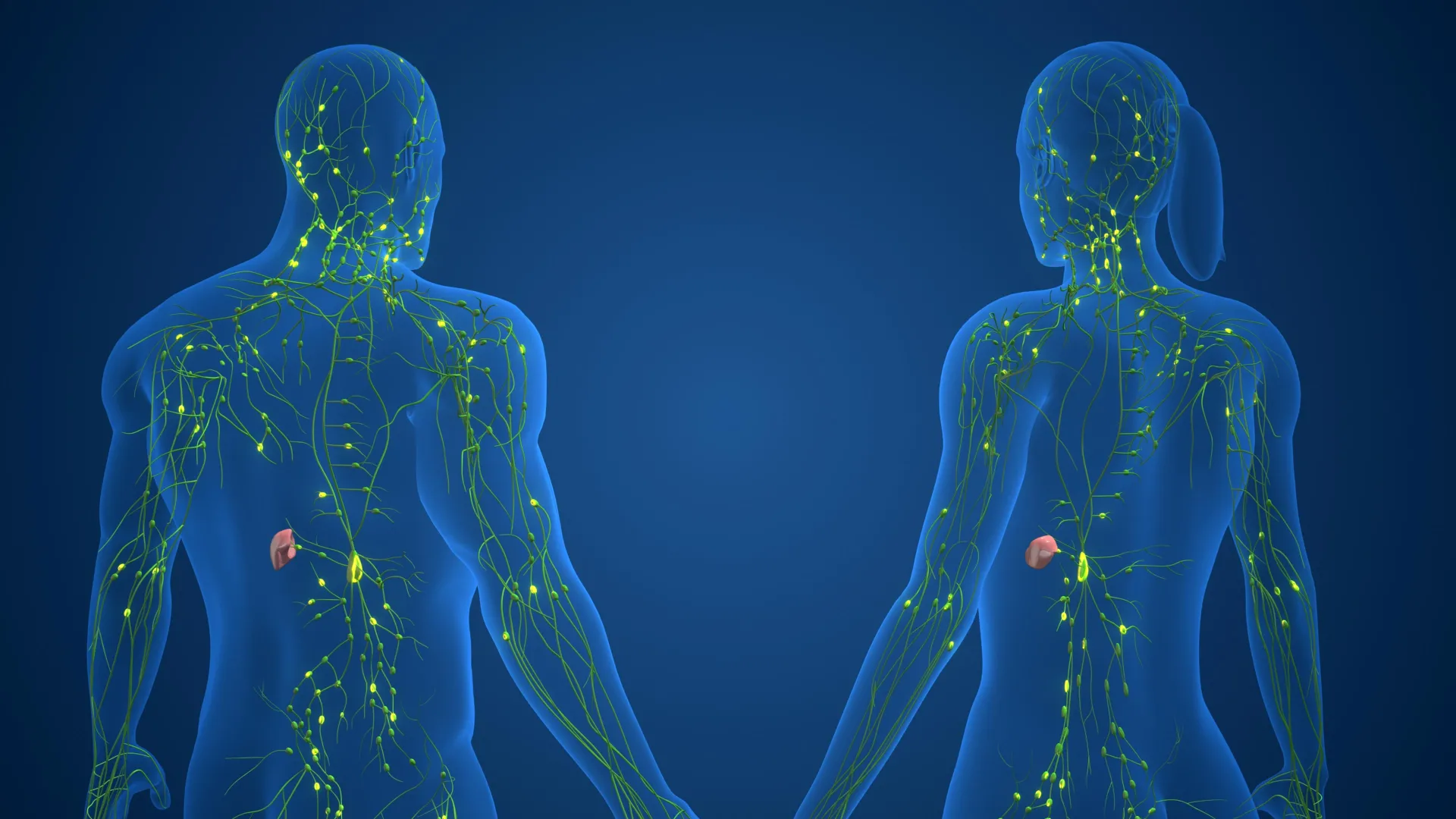
For decades, a significant enigma has persisted in medical science: the striking disparity in the prevalence of autoimmune diseases between biological sexes. Conditions such as lupus, rheumatoid arthritis, and multiple sclerosis disproportionately affect women, often at rates several times higher than men. This profound difference has long puzzled researchers, prompting various hypotheses ranging from hormonal influences to genetic predispositions on sex chromosomes. Groundbreaking new research, spearheaded by scientists at the Garvan Institute of Medical Research and UNSW Sydney, offers a compelling biological explanation, revealing a complex network of over 1,000 genetic "switches" that operate distinctly in male and female immune cells. These findings illuminate why the female immune system, while potentially offering enhanced protection against certain pathogens, appears to carry an increased susceptibility to mistakenly targeting the body’s own healthy tissues.
Autoimmune diseases represent a significant challenge to global health, occurring when the body’s sophisticated defense mechanism, designed to identify and neutralize foreign invaders like bacteria and viruses, erroneously identifies its own cells and tissues as threats. This misdirected attack can lead to chronic inflammation, tissue damage, and a wide array of symptoms affecting virtually any organ system. Systemic lupus erythematosus (SLE), for instance, exemplifies this gender-based imbalance, with women being diagnosed up to nine times more frequently than men. Despite its prevalence and severe impact, the underlying genetic and cellular mechanisms driving this sex-linked vulnerability have remained largely elusive until now.
The journey to unraveling these intricate biological differences has been significantly advanced by modern technological breakthroughs in genomics. Historically, studies examining immune system variations between sexes were constrained by the limitations of available tools. Traditional bulk analysis of blood samples, which measures the average activity across a heterogeneous mixture of countless cells, often obscured crucial distinctions in the behavior of specific immune cell populations. This aggregated view provided an incomplete picture, preventing scientists from pinpointing the precise cellular and molecular pathways responsible for observed sex-specific immune responses.
The advent of single-cell sequencing technologies has revolutionized immunological research, providing an unprecedented level of granularity. This cutting-edge approach allows scientists to analyze the genetic activity within individual cells, offering a much clearer and more detailed understanding of their unique functions and states. Leveraging this powerful methodology, the Garvan and UNSW team embarked on an ambitious project, undertaking what is described as the largest-scale investigation of male and female immune differences at single-cell resolution to date. Their comprehensive study involved sequencing more than 1.25 million peripheral blood mononuclear cells (PBMCs), which are critical immune cells circulating throughout the bloodstream, collected from nearly 1,000 healthy individuals. These participants were drawn from the OneK1K cohort, a major Australian research initiative specifically designed to explore the genetic influences on individual immune cells across a large and diverse population.
Upon meticulously comparing the cellular profiles of male and female participants, distinct patterns emerged. The analysis revealed that males tended to possess a higher proportion of monocytes, which are a type of white blood cell acting as rapid responders to infection and inflammation. Furthermore, their gene activity was more heavily concentrated on fundamental cellular processes, such as general cell maintenance and protein synthesis. In stark contrast, females exhibited greater numbers of B cells, responsible for producing antibodies, and regulatory T cells, which play a crucial role in maintaining immune tolerance and preventing autoimmunity. Critically, the immune cells in females displayed significantly elevated genetic activity linked to inflammatory pathways, suggesting a heightened state of readiness for immune responses.
This differential immune profiling underscores a fascinating biological trade-off. A highly reactive immune system in females confers a distinct advantage in combating acute viral infections, enabling a quicker and more robust response to pathogens. However, this persistent state of immunological vigilance comes at a cost. The constant priming for inflammation appears to increase the inherent risk of immune "friendly fire," where the body’s defenses inadvertently turn against its own healthy tissues, thereby predisposing individuals to autoimmune conditions. Conversely, the male immune system, less prone to immediate inflammatory activation, while potentially less susceptible to autoimmunity, may find itself at a disadvantage against certain types of infections and non-reproductive cancers, as highlighted by Dr. Sara Ballouz, a co-senior author and Senior Lecturer at UNSW.
The core discovery of this research lies in the identification of more than 1,000 genetic "switches" that exhibit sex-specific functionality. These switches, technically known as expression quantitative trait loci (eQTLs), act like volume controls, dictating the intensity with which particular genes are activated or suppressed. Previous assumptions often posited that differences between male and female immune systems were primarily driven by the X and Y sex chromosomes. However, the new findings presented a surprising challenge to this long-held view. The sex-specific genetic switches were found to be far less concentrated on the sex chromosomes than anticipated. Instead, the vast majority were located on autosomes – the non-sex chromosomes that are shared by both males and females. This revelation suggests that the genetic blueprint for sex-specific immune responses is distributed much more broadly across the genome than previously understood, indicating a complex interplay of genetic regulation beyond just the sex chromosomes.
The direct relevance of these genetic controls to autoimmune disease was particularly striking. Researchers pinpointed specific genetic variants that influenced the female-biased expression of two genes strongly implicated in systemic lupus erythematosus. This crucial connection provides a tangible genetic basis that could help explain the stark nine-fold difference in lupus prevalence between women and men. It offers a molecular mechanism underlying this significant clinical observation, moving beyond mere correlation to identify potential causative pathways.
While these genetic discoveries are profound, it is vital to acknowledge that genetics does not operate in isolation. Autoimmune risk is a multifaceted phenomenon influenced by a complex interplay of various factors. Hormones, such as estrogen and testosterone, are well-known modulators of immune function and play a significant role in sex differences in disease susceptibility. Environmental factors, including diet, exposure to certain toxins, infections, and the composition of the gut microbiome, also contribute to an individual’s overall autoimmune risk. The genetic differences uncovered in this study, therefore, appear to establish a distinct biological "starting point" or predisposition, which can then be further modulated by hormonal fluctuations, epigenetic modifications, and environmental exposures throughout an individual’s lifetime.
The implications of this research extend far beyond academic understanding, holding significant promise for the future of medical practice. Dr. Seyhan Yazar, the study’s first author from Garvan, emphasized the critical need to study the immune system with sex as a fundamental biological variable in mind. Historically, medical research, particularly in drug development and clinical trials, has predominantly relied on male study groups, assuming that findings would be universally applicable. This practice has led to a limited understanding of how diseases manifest and respond to treatments differently in males and females, potentially biasing therapeutic options. The new findings strongly reinforce the imperative for inclusive research designs that adequately represent both sexes.
Furthermore, these insights pave the way for a new era of personalized medicine in the context of autoimmune conditions. Current treatments for autoimmune diseases, such as lupus, often involve broad immunosuppression, aiming to dampen the entire immune system. While effective in controlling symptoms, this approach can leave patients vulnerable to infections and carry significant side effects. By identifying distinct genetic pathways that contribute to male and female immunity, this research points toward a future where treatments could be far more precisely targeted. Instead of a "one-size-fits-all" approach, therapies could be tailored to a patient’s specific form of the disease and, crucially, to the unique way their immune system operates at a baseline genetic level. Professor Joseph Powell, co-senior author and Director of Garvan’s Translational Genomics Program, articulated this vision, stating that realizing the full potential of precision medicine necessitates a deep understanding of these fundamental biological variables to customize treatments not just to the disease, but to the individual patient’s unique biological makeup. This transformative approach promises not only more effective therapies but also a reduction in adverse effects, ultimately improving the quality of life for millions living with autoimmune conditions.
About the Author