The contemporary culinary landscape has witnessed an unprecedented surge in the popularity of the fried chicken sandwich, transforming it from a mere menu item into a cultural phenomenon. This seemingly simple combination of poultry, bread, and condiments has ignited fervent debates, spurred innovation, and redefined the competitive dynamics within the quick-service restaurant industry. At the heart of this widespread appeal lies a singular, often elusive quality: the perfect crunch. This textural element, a symphony of crispness that resonates with every bite, elevates a good sandwich to an exceptional one, driving consumer loyalty and shaping market trends. Understanding the intricate components that contribute to this desired auditory and tactile experience – from the chicken’s preparation to the breading’s composition and the frying methodology – is crucial to appreciating the top contenders in this fiercely contested arena.
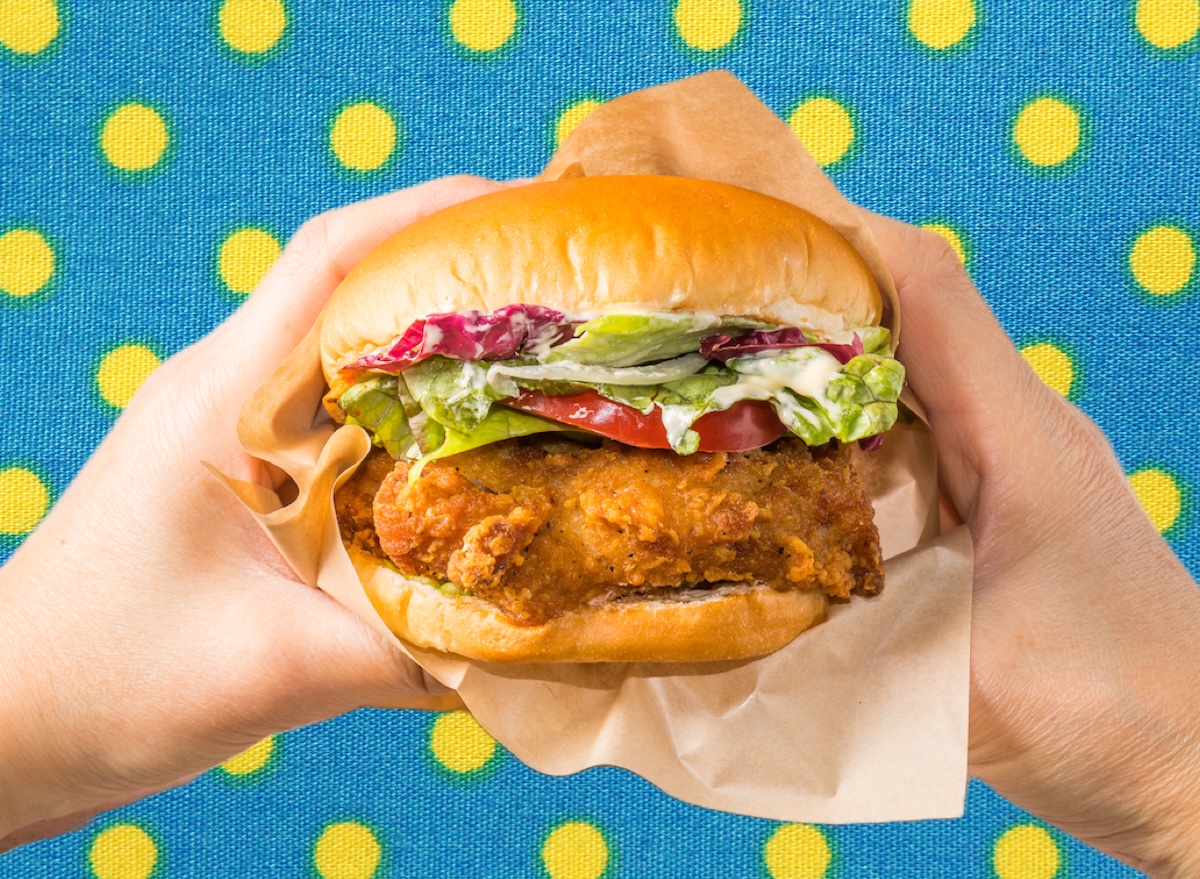
The journey of the fried chicken sandwich to its current iconic status is a fascinating narrative of culinary evolution and market demand. While various forms of chicken sandwiches have existed for decades, a distinct shift occurred when chains began to prioritize the quality of the fried chicken itself, moving beyond simple breaded patties to whole, marinated, and expertly fried chicken breasts. The "chicken sandwich wars," a term coined to describe the intense competition among fast-food giants, primarily sparked by Popeyes’ entry into the market, underscored the immense commercial value and consumer desire for a superior product. This era propelled crispiness to the forefront, making it a non-negotiable attribute for any establishment vying for a share of this lucrative segment. The ideal crispy fried chicken sandwich is a masterclass in contrasts: a tender, juicy interior encapsulated by an aggressively textured, golden-brown crust, complemented by soft bread, zesty pickles, and creamy sauces.
Achieving this quintessential crispiness is a meticulous process, a blend of culinary science and artistry. The secret often lies in a multi-layered breading technique, sometimes involving a wet batter followed by a dry flour dredge, or even a double-frying method, particularly prevalent in Korean fried chicken. Ingredients like cornstarch or rice flour can enhance the crunch, creating a more delicate yet resilient exterior. The temperature and type of frying oil are equally critical; maintaining a consistent high temperature ensures rapid cooking and moisture expulsion from the crust, preventing sogginess and promoting that coveted shatter. Furthermore, the chicken itself must be properly brined or marinated to retain moisture, ensuring a succulent contrast to the crunchy coating. This intricate balance is what sets the premier offerings apart, and several national chains have distinguished themselves by consistently delivering on this promise of textural excellence.
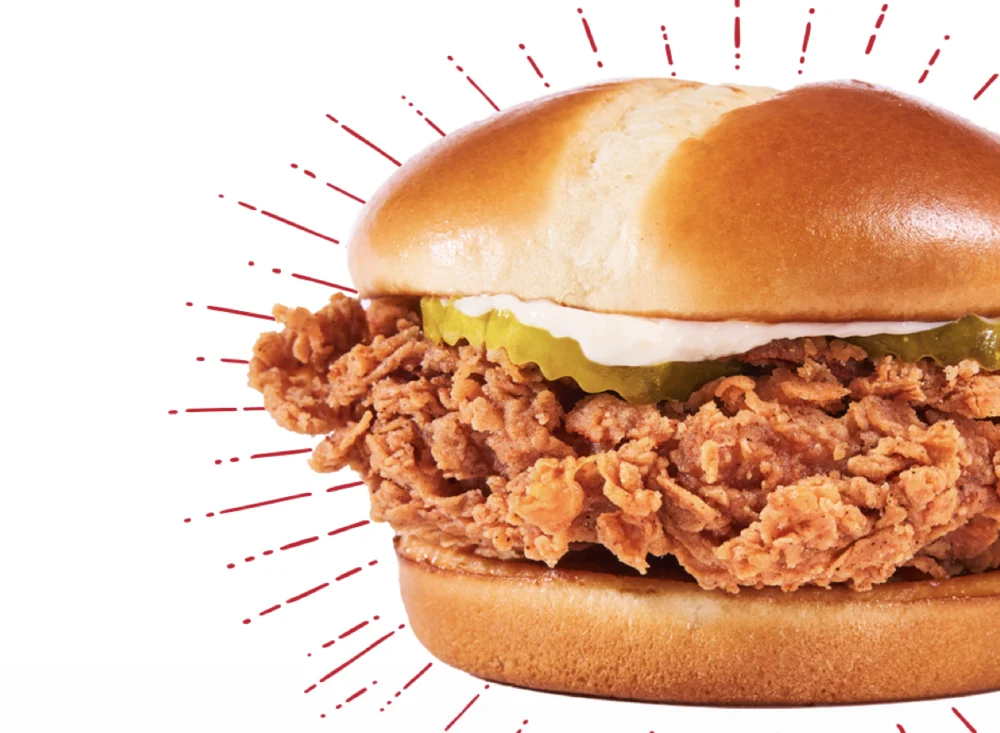
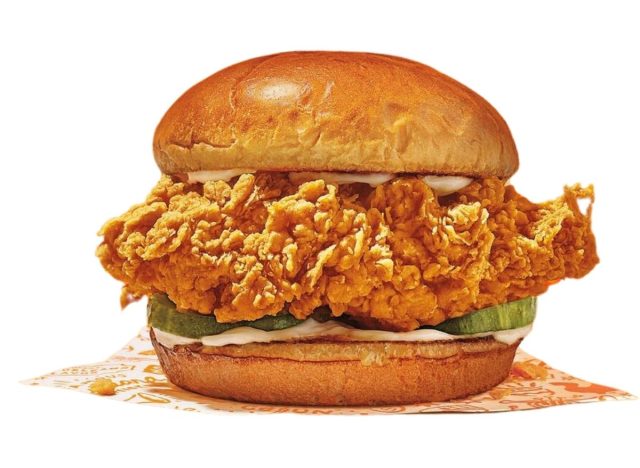
Among the establishments that have garnered significant acclaim for their remarkably crispy fried chicken sandwiches, Popeyes Louisiana Kitchen stands out, often cited as a catalyst for the modern chicken sandwich craze. Their Classic Chicken Sandwich, introduced in 2019, quickly achieved legendary status, inciting a frenzy that led to nationwide shortages and unprecedented media coverage. What sets Popeyes’ offering apart is its substantial, buttermilk-marinated chicken breast, encased in a distinctively craggy, spicy, and incredibly crunchy Cajun-seasoned breading. This robust crust provides a satisfying textural counterpoint to the juicy chicken within. Served on a toasted brioche bun with a generous spread of tangy mayonnaise and crisp pickle slices, the sandwich delivers a complex flavor profile—savory, spicy, and slightly sweet—that resonates deeply with patrons. Many enthusiasts articulate that when served fresh and prepared to perfection, Popeyes’ rendition surpasses competitors, offering an unparalleled combination of crispiness, juiciness, and bold taste that defines the category. The enduring popularity and passionate endorsements from consumers underscore its pivotal role in the ongoing narrative of fast-food chicken sandwiches.
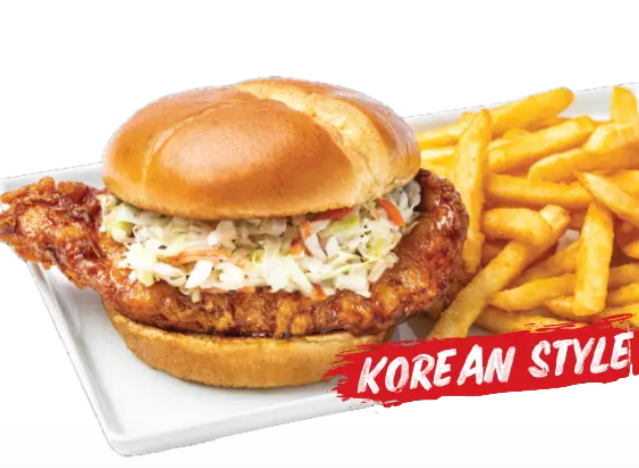
Another notable contender in the pursuit of the ultimate crunch is Bonchon, a global chain renowned for its Korean-style fried chicken. When Bonchon introduced its Classic Crispy Chicken Sandwich, it brought a distinct East Asian culinary technique to the forefront of the American fast-food landscape. Korean fried chicken is celebrated for its ultra-thin, almost glass-like crispiness, often achieved through a double-frying process that renders the skin and breading exceptionally light and shatteringly crisp. Bonchon’s sandwich features a perfectly fried chicken breast with this signature golden, crispy coating, ensuring a tender interior. It is typically served on a soft, buttery brioche bun, topped with a refreshing, tangy coleslaw that cuts through the richness of the chicken. A key differentiator is the choice of signature glazes—Soy Garlic, Spicy, or Korean BBQ sauce—which are brushed onto the chicken, infusing it with layers of flavor without compromising the integrity of its crunchy exterior. Consumer feedback frequently highlights the sandwich’s harmonious balance of sweetness and tang, alongside a subtle spicy kick, all underpinned by its consistently crispy and juicy texture. The made-to-order preparation, while sometimes requiring a brief wait, ensures optimal freshness and crunch.
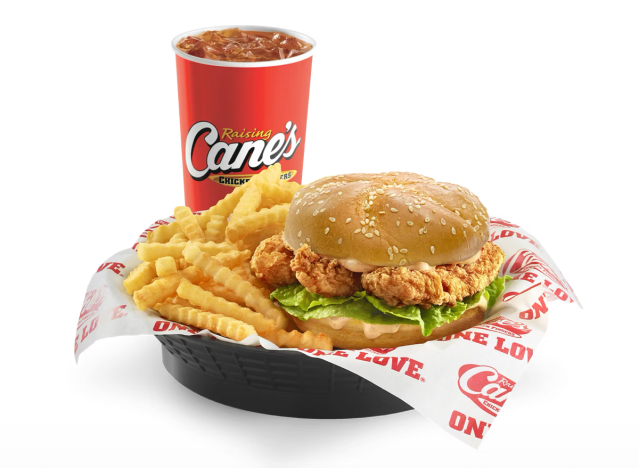
Raising Cane’s, a chain celebrated for its singular focus on chicken fingers, translates its expertise in crispy fried chicken to its sandwich offering, aptly named the Crispy Crunch Chicken Sandwich. Unlike competitors who use a whole breast, Raising Cane’s cleverly employs three of its signature, ultra-juicy chicken fingers as the core of its sandwich. These tenders are characterized by a thick, golden, and undeniably crunchy crust, a testament to the chain’s specialized breading and frying methods. The chicken fingers are nestled within a toasted bun, accompanied by crisp lettuce and a generous dollop of Cane’s signature sauce—a tangy, slightly peppery, and immensely popular condiment that ties the components together. Patrons often express a deep appreciation for the sandwich’s straightforward yet highly effective composition, praising its consistent crunch and the familiar, comforting flavor profile that mirrors their beloved chicken fingers. Many consider it an underrated gem within the fast-food landscape, demonstrating that sometimes, sticking to a core competency and executing it flawlessly can yield exceptional results.
Bojangles, with its deep roots in Southern cuisine, offers a distinct take on the crispy chicken sandwich, leveraging its expertise in Cajun-spiced fried chicken. The Bo’Nana Crunch Chicken Sandwich features a robust chicken fillet enveloped in a thick, flavorful Cajun-seasoned coating. This breading is notably substantial, providing an amplified crunch that sets it apart from many competitors. The chain’s commitment to bold, authentic Southern flavors is evident in every bite, delivering a satisfyingly seasoned and crispy experience. Enthusiasts frequently praise the sandwich when it’s served hot and fresh, emphasizing that its quality shines through in its prime state. Bojangles’ regional strength and unique flavor profile have cultivated a dedicated following, with many outside its primary service areas expressing a desire for its expansion, underscoring the sandwich’s considerable appeal and the distinctiveness of its Cajun-infused crispiness.
Finally, Culver’s, a chain widely recognized for its ButterBurgers and frozen custard, also earns a place in the conversation surrounding top-tier crispy chicken sandwiches with its Classic Crispy Sandwich. This offering demonstrates Culver’s ability to extend its commitment to quality beyond its core beef products. The sandwich features a whole white-meat chicken breast, prepared with a Southern-style breading that is subtly seasoned with garlic, onion, and a hint of cayenne pepper. This careful seasoning contributes to a flavorful crust that delivers a satisfying crispness without being overly aggressive. The chicken is served on a toasted Kaiser bun, providing a sturdy yet soft foundation, and is complemented by fresh lettuce, ripe tomatoes, and tangy pickles, offering a balanced textural and flavor experience. Reviewers often highlight the sandwich’s appealing combination of a "nice crisp" exterior and a consistently "juicy" interior, affirming that Culver’s has successfully carved out its niche in the competitive chicken sandwich market by prioritizing both texture and taste.
In conclusion, the fried chicken sandwich has cemented its position as a culinary staple, with crispiness remaining the ultimate benchmark for quality. The offerings from chains like Popeyes, Bonchon, Raising Cane’s, Bojangles, and Culver’s exemplify the diverse approaches to achieving this coveted texture, each bringing unique flavors, regional influences, and preparation methods to the table. From the groundbreaking Cajun crunch of Popeyes to the delicate shatter of Bonchon’s Korean-style chicken, the comforting bite of Raising Cane’s tenders, the hearty Southern crisp of Bojangles, and the balanced Southern-style breading of Culver’s, these establishments continue to innovate and compete. The ongoing consumer fascination with this sandwich genre underscores a universal appreciation for well-executed comfort food, where the perfect crunch is not just a textural element, but a promise of culinary satisfaction that drives the industry forward.
About the Author