Progressive Dumbbell Training: Building Sustainable Upper Body Strength and Mobility for Individuals Over 55
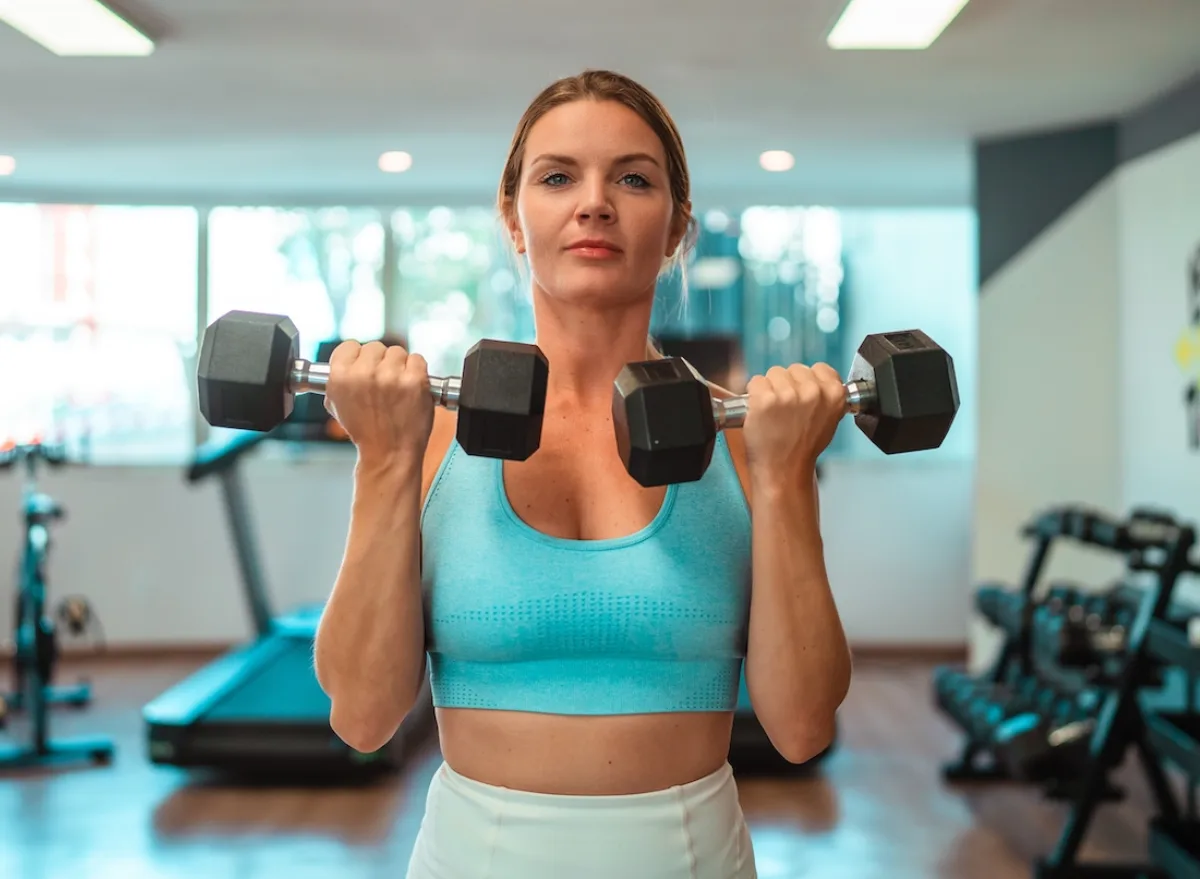
Maintaining robust physical capacity becomes increasingly vital as individuals advance beyond their mid-fifties, with targeted resistance training serving as a cornerstone for healthy aging. While the physiological processes of aging naturally lead to a decline in muscle mass and strength, a phenomenon known as sarcopenia, strategic exercise interventions can significantly mitigate these effects, promoting functional independence and an enhanced quality of life. Among the various modalities available, dumbbell training offers a particularly adaptable and effective pathway to cultivating upper body resilience, especially for older adults seeking to enhance strength, improve joint health, and support daily activities.
The inherent advantages of incorporating dumbbells into a fitness regimen for those over 55 are manifold. Unlike fixed barbells or selectorized machines, dumbbells allow for unilateral movement, meaning each arm works independently. This fosters greater muscle activation, corrects potential strength imbalances between limbs, and significantly challenges core stabilizers, leading to improved balance and coordination—critical components in fall prevention. Furthermore, the free range of motion offered by dumbbells accommodates individual joint mechanics, reducing strain and allowing for more natural movement patterns, which can be particularly beneficial for individuals with pre-existing joint discomfort or limited mobility. This adaptability makes dumbbells a safer and more personalized tool for progressive overload, the principle of gradually increasing the challenge to stimulate continuous muscle growth and strength gains.
Effective strength development for older adults hinges on a comprehensive approach that prioritizes consistency, proper form, and a blend of compound and isolation movements. Compound exercises, which involve multiple joints and engage several large muscle groups simultaneously, should form the foundation of any robust program. These movements are incredibly efficient, delivering substantial returns in terms of overall strength, caloric expenditure, and functional carryover to everyday tasks. Following these foundational lifts, integrating isolation exercises allows for targeted muscle development, ensuring that specific muscle groups like the biceps and triceps receive adequate stimulus for growth and definition, contributing to a well-rounded and aesthetically pleasing physique. This systematic progression maximizes training efficiency and promotes balanced muscular development throughout the upper body.
Beyond the physical mechanics, the psychological benefits of consistent strength training for older adults are profound. Regular engagement in resistance exercise has been linked to improved mood, enhanced cognitive function, and increased self-efficacy. The sense of accomplishment derived from progressively lifting heavier weights or performing more repetitions can significantly boost confidence and encourage adherence to a long-term fitness lifestyle. Moreover, the structured nature of a well-designed dumbbell routine provides a clear pathway for progress, fostering a sense of control and empowerment over one’s physical capabilities as the years advance.
For individuals over 55 aiming to optimize their upper body strength and functional capacity, the following five dumbbell exercises, when executed with precision and consistency, can yield remarkable results. Each movement targets specific muscle groups while contributing to overall arm and upper body robustness.
1. The Unilateral Dumbbell Row: Cultivating Back Power and Grip Strength
The dumbbell single-arm row is a cornerstone exercise for developing formidable upper back strength, improving posture, and enhancing grip endurance. For older adults, strong pulling muscles are indispensable for tasks such as opening heavy doors, lifting groceries, or pulling oneself up from a seated position. By engaging the latissimus dorsi (lats), biceps, and posterior deltoids, this exercise builds a resilient posterior chain, crucial for spinal support and overall body stability. The unilateral nature of the movement also demands significant core engagement to resist rotation, thereby strengthening the abdominal and oblique muscles indirectly.
- Execution Focus: Begin with one hand and knee supported on a bench, maintaining a flat back and engaged core. Allow the dumbbell to hang towards the floor with a neutral grip. Initiate the pull by retracting the shoulder blade and drawing the elbow towards the ceiling, focusing on squeezing the upper back muscles. Control the descent of the dumbbell, fully extending the arm at the bottom to achieve a complete stretch. Avoid using momentum; the movement should be deliberate and controlled.
- Benefits for Older Adults: Strengthens muscles vital for pulling activities, improves spinal alignment, and reinforces grip strength, which is a strong predictor of overall health and longevity.
2. The Dumbbell Chest Press: Building Pressing Prowess and Triceps Engagement
The dumbbell bench press is an exceptionally effective exercise for developing pushing strength across the chest, shoulders, and triceps. Unlike barbell presses, dumbbells allow for a more natural arc of motion for each arm, potentially reducing shoulder impingement and enabling a greater stretch at the bottom of the movement. This fosters more balanced strength development and permits individuals to press through their strongest planes of motion. The involvement of the triceps in extending the arms against resistance is substantial, making this a powerful multi-joint movement for the entire anterior upper body.
- Execution Focus: Lie on a flat bench with a dumbbell in each hand, palms facing each other or slightly rotated, held at chest level. Ensure feet are firmly planted on the floor for stability. Press the dumbbells upwards in a controlled manner, focusing on contracting the chest muscles at the top, without locking out the elbows completely. Slowly lower the weights back to the starting position, maintaining tension in the chest and shoulders throughout the eccentric phase.
- Benefits for Older Adults: Enhances functional pushing strength for tasks like getting out of a chair, pushing heavy objects, or maintaining balance by pushing against surfaces. It also supports pectoral muscle health and contributes to arm extension power.
3. The Dumbbell Bicep Curl: Direct Arm Development and Forearm Fortitude
While compound pulling movements naturally engage the biceps, direct isolation work through dumbbell curls provides a concentrated stimulus for growth and strength in this prominent arm muscle. This exercise is fundamental for developing the front of the upper arm and significantly contributes to forearm and grip strength. For older individuals, strong biceps facilitate carrying, lifting, and manipulating objects with greater ease and confidence.
- Execution Focus: Stand tall with a dumbbell in each hand, arms extended at your sides, palms facing forward. Keep your elbows tucked close to your body and stable throughout the movement. Curl the dumbbells upwards towards your shoulders, contracting the biceps forcefully at the peak. Slowly lower the weights back down, controlling the eccentric phase to maximize muscle engagement. Avoid swinging the body or using momentum; the biceps should be the primary movers.
- Benefits for Older Adults: Improves the ability to lift and carry items, enhances forearm strength for better grip, and contributes to the aesthetic appearance of strong, defined arms.
4. The Overhead Dumbbell Triceps Extension: Targeting Arm Extension Power
The triceps brachii, comprising three heads, constitutes the majority of the upper arm’s mass and is crucial for all pushing and arm extension movements. The overhead dumbbell triceps extension isolates these muscles through a substantial range of motion, providing an intense stretch and contraction that is highly effective for building strength and promoting hypertrophy. This exercise is particularly beneficial for improving the ability to push objects overhead or to extend the arms fully in daily activities.
- Execution Focus: Hold a single dumbbell with both hands, or one in each hand, and extend it overhead. Keep your elbows pointing forward and tucked close to your head. Slowly lower the dumbbell behind your head by bending your elbows, feeling a stretch in your triceps. Extend your arms back to the starting position, contracting the triceps powerfully at the top. Maintain a stable upper arm position throughout, preventing the elbows from flaring out.
- Benefits for Older Adults: Strengthens the triceps for better pushing mechanics, aids in tasks requiring arm extension, and helps maintain arm tone and functional strength.
5. The Dumbbell Lateral Raise: Enhancing Shoulder Stability and Mobility
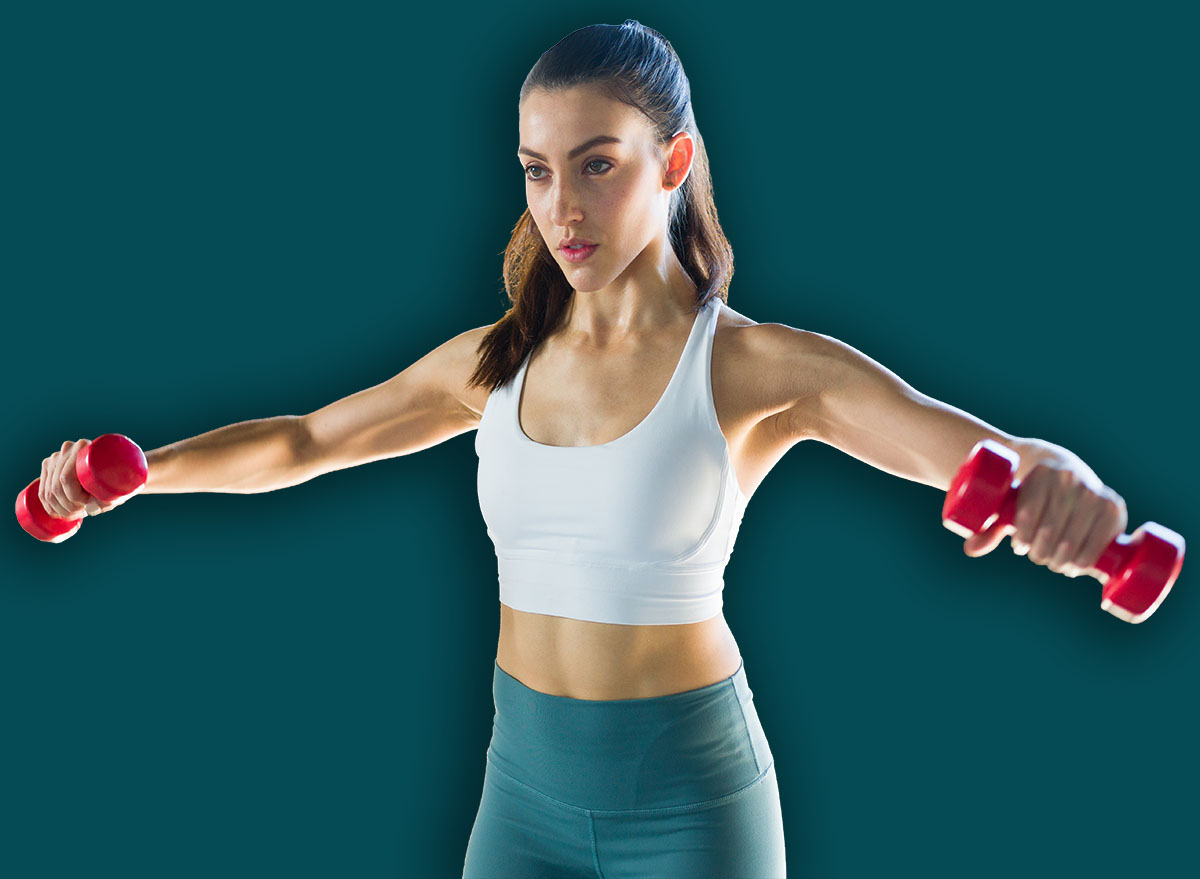
While often perceived as an aesthetic exercise for broader shoulders, the dumbbell lateral raise plays a crucial role in developing the lateral head of the deltoid, which is vital for shoulder health, stability, and overall arm function. Strong, stable shoulders provide a robust foundation for all upper body movements, reducing the risk of injury and improving range of motion. For older adults, maintaining shoulder mobility and strength is paramount for reaching overhead, carrying items, and preventing common shoulder complaints.
- Execution Focus: Stand with a slight bend in your knees and a dumbbell in each hand, resting at your sides with palms facing your body. Keeping a slight bend in your elbows, slowly raise the dumbbells out to the sides until your arms are parallel to the floor, forming a "T" shape. Focus on initiating the movement with your shoulders, not your traps. Control the descent back to the starting position. Light weights and strict form are key to isolating the lateral deltoids.
- Benefits for Older Adults: Improves shoulder stability and mobility, strengthens muscles essential for overhead reaching and lifting, and contributes to better posture by supporting the shoulder girdle.
Optimizing Outcomes: Beyond the Exercises
Achieving significant and lasting improvements in arm strength and overall physical health for individuals over 55 extends beyond merely performing these exercises. Several crucial factors must be integrated into a holistic lifestyle approach:
- Consistency is Key: Sporadic training yields minimal results. A regular schedule, ideally 2-3 times per week, is essential for continuous progress and adaptation.
- Progressive Overload: Muscles adapt to stress. To continue growing stronger, the stimulus must gradually increase. This can be achieved by increasing the weight, performing more repetitions or sets, reducing rest times, or improving exercise form and time under tension.
- Adequate Nutrition: Protein intake is paramount for muscle repair and growth, especially in older adults who may experience anabolic resistance. Aim for 0.7-1.0 grams of protein per pound of body weight daily, distributed throughout meals. Hydration is also critical for cellular function and exercise performance.
- Rest and Recovery: Muscles grow and repair during rest. Prioritizing 7-9 hours of quality sleep per night is non-negotiable for recovery and overall well-being. Incorporating active recovery days with light activity can also aid muscle recuperation.
- Listen to Your Body: Acknowledge the body’s signals. While pushing limits is important for progress, differentiating between muscle fatigue and joint pain is crucial. Adjust intensity or take rest days as needed to prevent injury.
- Professional Guidance: Consulting with a certified strength and conditioning specialist or physical therapist can provide personalized program design, ensure proper form, and address any specific physical limitations or health conditions.
In conclusion, embarking on a structured dumbbell training regimen post-55 is a proactive and empowering step towards enhancing physical resilience, preserving functional independence, and enriching the quality of life. By focusing on a balanced program of compound and isolation movements, coupled with an understanding of progressive overload and supportive lifestyle habits, individuals can effectively counteract age-related muscle decline. The journey to stronger arms and a more capable body is a continuous one, yielding profound benefits that extend far beyond the gym, fostering greater vitality and confidence in every aspect of daily living.

Related News