The Enduring Echoes of Palate Past: Analyzing the Disappearance and Persistent Demand for Iconic Chain Restaurant Dishes
The landscape of American casual dining, characterized by its sprawling chain restaurants, has long served as a bastion of culinary predictability and comfort for millions. Patrons frequent these establishments precisely because they offer a consistent, familiar experience, a guaranteed taste of their favorite dishes regardless of location. This inherent reliability fosters a unique bond between diners and their preferred menu items, transforming mere food into cherished memories and comfort staples. However, this seemingly unwavering stability is often an illusion, as restaurant chains, driven by evolving consumer trends, economic pressures, and operational efficiencies, frequently overhaul their offerings. When beloved dishes are removed from the menu, the resulting disappointment among loyal customers can be profound, often leading to vocal online campaigns and a persistent longing for their return, highlighting the deep emotional connection people form with their food experiences.
The decision to discontinue a menu item is a complex strategic choice, far removed from a whimsical culinary whim. Several factors typically underpin such removals. Economic considerations, such as the rising cost of specific ingredients or complex supply chain logistics, can render a dish unsustainable. Operational efficiency is another key driver; items that are labor-intensive to prepare, require specialized equipment, or utilize ingredients not shared by other dishes can slow down kitchen operations and increase waste. Changing consumer preferences, including a growing demand for healthier options, plant-based alternatives, or trending global flavors, also compel chains to refresh their menus to remain competitive and relevant. Sometimes, a dish simply doesn’t meet sales targets, even if a vocal minority expresses affection for it, as chains prioritize broad appeal and profitability. The delicate balance between maintaining signature offerings and innovating to attract new diners is a perpetual challenge for these large-scale culinary operations.
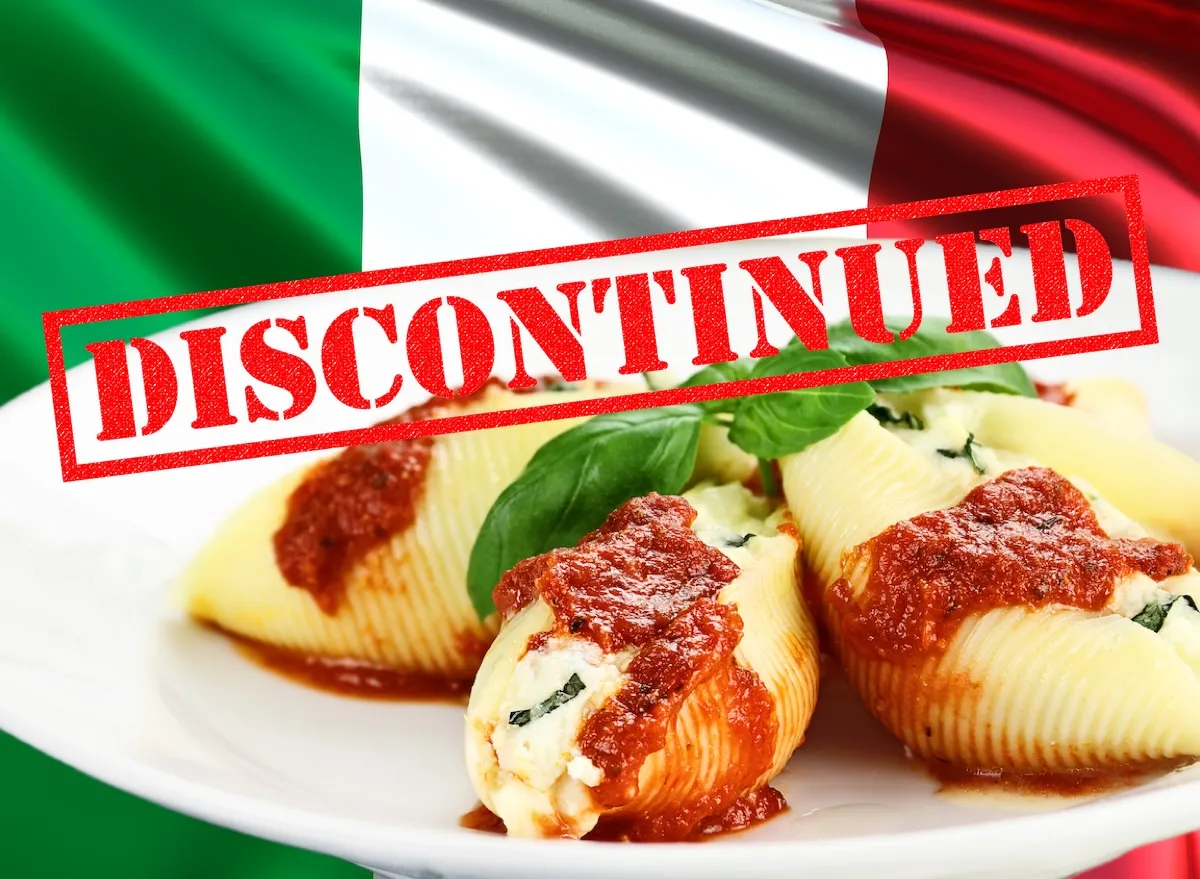
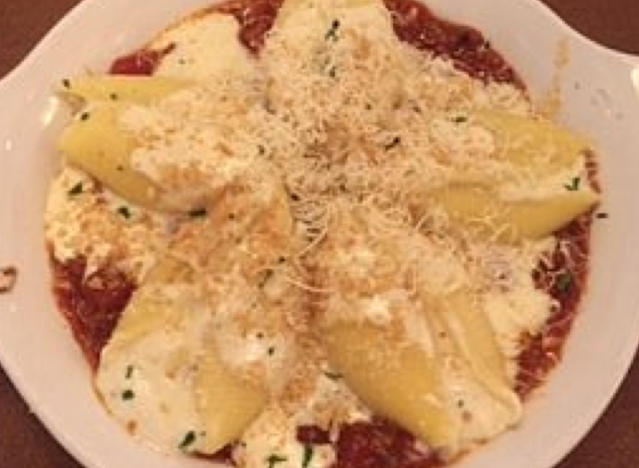
Among the dishes whose absence still resonates deeply with diners is Olive Garden’s Stuffed Shells. This substantial pasta offering made a brief, yet memorable, appearance during Olive Garden’s "Giant Classics" promotion in 2019. The dish featured oversized pasta shells generously filled with a four-cheese blend, baked in a rich marinara sauce, and finished with creamy alfredo and toasted breadcrumbs. Its limited-time availability, intended perhaps to create a sense of urgency and novelty, proved to be a double-edged sword. While it generated immediate excitement and strong positive feedback from many who experienced its rich, comforting flavors, its subsequent removal left a void. One highly disappointed diner recounted frequenting Olive Garden weekly solely for this dish, expressing their frustration by leaving the restaurant when it was unavailable and ceasing their patronage altogether. This anecdote underscores the potent impact a single, beloved menu item can have on customer loyalty, particularly when it perfectly encapsulates the chain’s brand promise of generous, Italian-American comfort food. The temporary nature of such promotions often clashes with the desire for enduring favorites, creating a dilemma for both consumers and restaurateurs.
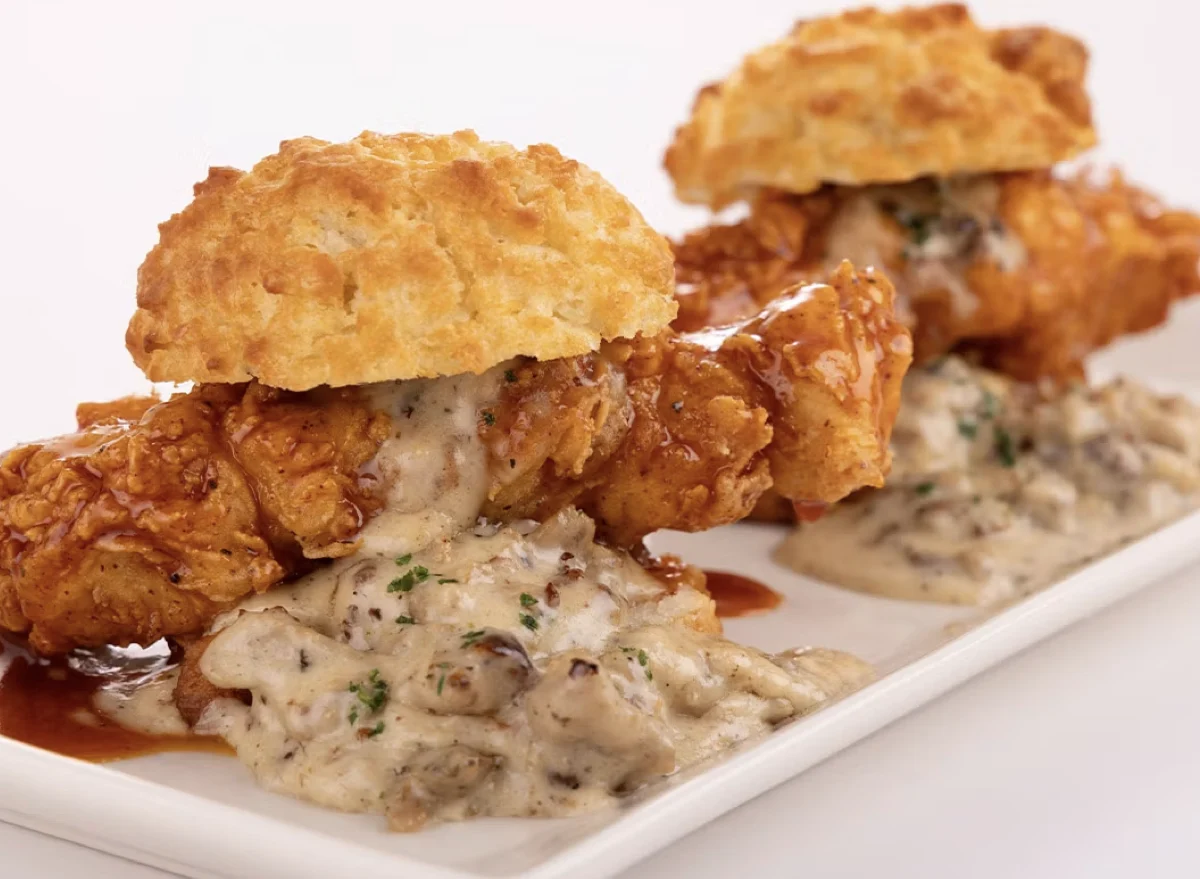
Another item frequently mourned by its former enthusiasts is The Cheesecake Factory’s Chicken and Biscuits. Known for its encyclopedic menu that caters to virtually every palate, The Cheesecake Factory’s decision to remove this classic comfort food item surprised many. The dish, which offered a hearty combination of savory chicken and fluffy biscuits, garnered a dedicated following. Its appeal lay in its simple, yet perfectly executed, traditional flavors, providing a warm, satisfying meal that stood out even amidst the chain’s vast array of elaborate options. The enduring sentiment is palpable, with former patrons still reminiscing about its quality and even attempting to recreate elements of the experience, such as requesting biscuits on the side in its absence. The sheer breadth of The Cheesecake Factory’s menu makes it a unique case; while it offers immense choice, it also means that even well-loved items might be sacrificed in efforts to streamline kitchen operations or introduce new, equally diverse offerings. The lament for the Chicken and Biscuits serves as a reminder that for some, the essence of a restaurant experience can be tied to a single, perfectly executed dish, regardless of other available choices.
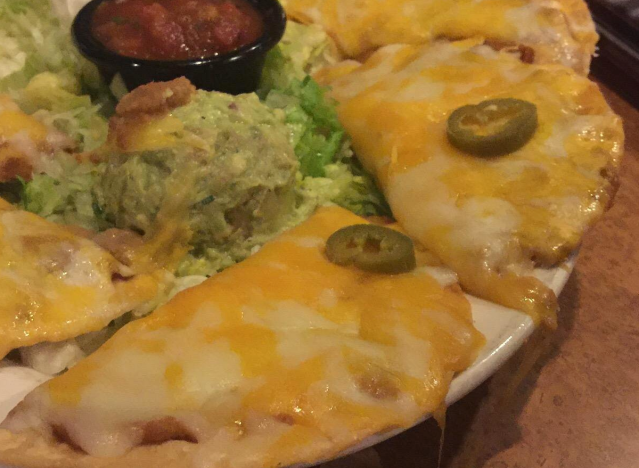
For those who frequented TGI Fridays, the disappearance of their Chicken Tostada Nachos continues to be a source of nostalgic longing. As a chain that helped popularize the casual dining concept with its vibrant atmosphere and extensive appetizer menu, TGI Fridays’ offerings often defined social gatherings. The Chicken Tostada Nachos were a popular appetizer staple, characterized by a hearty blend of refried beans and seasoned taco meat, generously topped with crisp lettuce, fresh guacamole, and cool sour cream. This combination of textures and flavors made it an ideal sharing plate, embodying the fun, communal spirit of the TGI Fridays brand. The item’s removal, dating back approximately eight years, illustrates how menu changes in the appetizer category, often designed to introduce new, trendier small plates, can erase long-standing favorites from diners’ collective memory. For many, these nachos represented more than just a snack; they were an integral part of their TGI Fridays experience, a gateway to a relaxed and enjoyable meal, whose absence now evokes a strong sense of wistful remembrance.
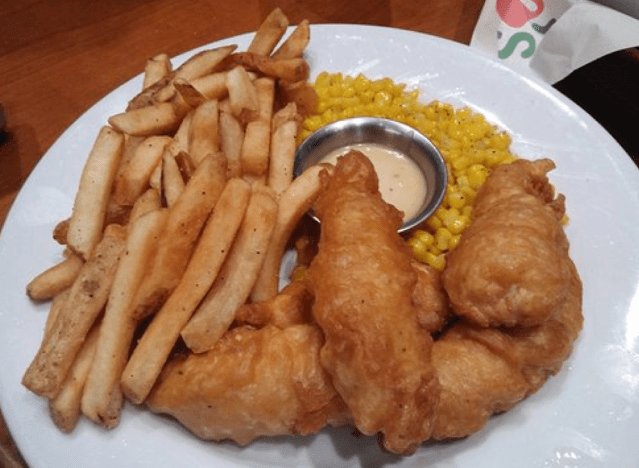
The Original Chicken Crispers from Chili’s represent another significant loss for a passionate customer base. Chili’s, a quintessential American casual dining establishment, has long featured various iterations of chicken tenders on its menu. However, the "Original" version, distinguished by its light tempura batter, held a special place in the hearts of many. Removed in 2022, these crispers were celebrated for their unique texture – a delicate, airy breading that provided a satisfying crunch without being heavy, allowing the flavor of the chicken to shine through. The discontinuation ignited considerable distress within online communities, particularly on Reddit, where fans expressed their deep disappointment and actively campaigned for the item’s reinstatement. The intensity of this reaction highlights how subtle differences in preparation, such as the choice of batter, can profoundly impact a dish’s appeal and create an almost cult-like following. The decision to phase out a popular item like this often stems from a desire to standardize recipes, reduce complexity in the kitchen, or introduce new, perhaps more cost-effective or trend-aligned, chicken options, even at the risk of alienating a segment of loyal customers.
In the fast-casual segment, Panera Bread’s Sierra Turkey Sandwich stands out as a discontinued item that still garners considerable attention. Panera has cultivated an image centered around fresh ingredients and a slightly more wholesome approach to quick dining. The Sierra Turkey Sandwich was a long-standing fixture on their menu, featuring smoked turkey, fresh field greens, red onions, and a distinctive chipotle mayonnaise, all served on flavorful Asiago cheese focaccia. This combination offered a sophisticated yet accessible flavor profile that resonated with a broad audience seeking a step above typical deli fare. For many, it was their go-to order, a reliable and satisfying meal choice. The removal of such a signature item can have a particularly strong impact on customer loyalty, as evidenced by one Redditor who, after months of unsuccessfully searching for a suitable replacement, stopped patronizing Panera entirely. This demonstrates that for certain brands, the perceived uniqueness and quality of a specific item can be a primary driver of repeat business, and its disappearance can sever that critical connection.
The realm of side dishes is not immune to this phenomenon, as proven by the vocal outcry surrounding Outback Steakhouse’s original Mac and Cheese. Outback, known for its Australian-themed steakhouse experience, once offered a "Steakhouse Mac and Cheese" as a premium side. This dish, celebrated for its rich, creamy texture and indulgent flavor, cultivated a dedicated following, with some even declaring it the "best mac and cheese ever." However, the chain recently opted to replace this beloved side with a bacon-infused version. This alteration, while seemingly minor, sparked considerable consternation among long-time fans who cherished the classic rendition. An employee’s candid online response revealed that the bacon mac recipe had been a test item for over a year, suggesting a deliberate strategic shift rather than a sudden change. The employee further indicated that the original was unlikely to return without a significant menu overhaul or substantial customer pressure. This situation exemplifies the tension between a company’s desire to innovate and refresh its menu, potentially by incorporating popular ingredients like bacon, and its loyal customers’ preference for established favorites, especially when those favorites are perceived as superior to their replacements.
Finally, the removal of Cracker Barrel’s Loaded Sweet Potato left a noticeable void for patrons of the Southern comfort food chain. Cracker Barrel is celebrated for its homestyle cooking and nostalgic general store ambiance, and its menu items often evoke a sense of tradition and hearth. The Loaded Sweet Potato, with its array of sweet and savory toppings, perfectly fit this ethos, offering a unique and comforting side dish. However, its popularity among diners was counterbalanced by operational challenges behind the scenes. As one server revealed, the dish was particularly time-consuming to prepare, requiring multiple garnishes such as marshmallows and warm pecans, making it cumbersome during peak service hours. This insight provides a rare glimpse into the practical realities that influence menu decisions in high-volume restaurant environments. While customers mourn the loss of a beloved item, the chain must weigh that sentiment against the complexities of kitchen workflow, labor costs, and overall service efficiency. The discontinuation of the Loaded Sweet Potato serves as a poignant illustration of how even seemingly simple dishes can create significant operational hurdles, leading to their eventual removal despite strong customer affection.
The collective yearning for these discontinued dishes transcends mere hunger; it speaks to a deeper human inclination towards nostalgia and the emotional anchors provided by food. For many, these meals are interwoven with personal memories, celebrations, and comforting routines. The digital age has amplified these sentiments, providing platforms like Reddit and other social media channels where individuals can collectively mourn, share memories, and even organize petitions for the return of their cherished items. While these online movements don’t always result in the reinstatement of a dish, they undeniably send a powerful message to restaurant chains about the enduring impact of their culinary decisions. Ultimately, the dynamic evolution of chain restaurant menus reflects a constant negotiation between culinary innovation, operational pragmatism, and the powerful, often sentimental, demands of a loyal customer base. As the industry continues to adapt, the echoes of palate past will undoubtedly persist, reminding us that for many, food is far more than sustenance—it is a cornerstone of memory and comfort.
Related posts:

Related News