The landscape of casual dining in North America is characterized by a myriad of strategies employed by restaurant chains to attract and retain patrons. Among the most potent, yet often understated, is the provision of complimentary bread service. Far from being a mere appetizer, these baskets of baked goods have evolved into iconic brand elements, fostering a sense of hospitality, value, and culinary anticipation. For many diners, the arrival of a warm, aromatic bread basket signals the true commencement of their meal, establishing a benchmark for the overall experience. This seemingly simple gesture plays a significant psychological role, transforming a standard meal into a perceived value-added occasion and contributing substantially to customer loyalty.

Historically, offering bread at the start of a meal has roots in various cultures as a sign of welcome and abundance. In the modern chain restaurant context, this tradition has been refined into a deliberate marketing tool. These establishments understand that a delicious, free offering can create a memorable impression, distinguish them from competitors, and even become a primary reason for guests to return. The investment in providing unlimited bread, while seemingly counterintuitive to profit margins, is often offset by increased table turnover, higher overall spending on main courses and beverages, and invaluable word-of-mouth promotion. The sheer variety, from fluffy yeast rolls to savory cheese biscuits and dense brown loaves, caters to diverse palates, ensuring broad appeal.
One of the most celebrated examples of this strategy comes from Texas Roadhouse, where the commitment to freshness is paramount. Their signature yeast rolls are baked on-site every five minutes, ensuring a consistently warm and tender product for every guest. This dedication to immediate preparation elevates the experience, making each serving feel like a fresh batch straight from the oven. The accompanying honey-cinnamon butter is not just an accessory; it is a meticulously crafted complement, its sweet and spiced profile enhancing the rolls’ inherent richness. This pairing has garnered such a fervent following that the restaurant brand has successfully transitioned its rolls and butter into retail grocery stores, allowing enthusiasts to recreate a piece of the Texas Roadhouse experience at home. This move underscores the power of a popular complimentary item to extend a brand’s reach beyond its physical dining rooms, transforming a freebie into a revenue-generating product and a testament to its widespread appeal.
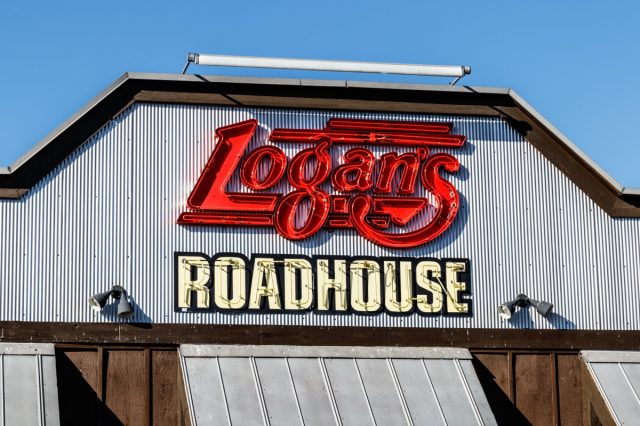
Similarly, Logan’s Roadhouse has cultivated a dedicated fan base around its scratch-made yeast rolls. These substantial, buttery creations are often cited by patrons as a primary draw, sometimes even overshadowing other menu items. The focus on a "from-scratch" preparation method resonates with diners seeking authentic flavors and a sense of home-cooked quality within a chain environment. The consistent quality and generous portions of these rolls, served warm and ready to be slathered with butter, create a comforting and satisfying precursor to the main course. Social media commentary frequently highlights these rolls as a key differentiator, demonstrating how an initial offering can define a significant part of the restaurant’s identity and appeal.
Moving beyond traditional yeast rolls, Red Lobster has achieved legendary status with its Cheddar Bay Biscuits. These savory, cheesy, garlic-infused delights have developed a near-mythical reputation for their addictive qualities. Unlike simple bread, these biscuits offer a complex flavor profile that tantalizes the taste buds with every bite. The combination of fluffy texture, sharp cheddar, and a delicate garlic butter glaze creates a truly unique and highly craveable item. It is a common sentiment among diners that these biscuits are not merely an appetizer but a culinary event in themselves, often sparking playful debates about whether they surpass the seafood offerings the restaurant is primarily known for. This phenomenon illustrates how a distinctive complimentary item can forge a powerful emotional connection with customers, becoming an integral part of the dining ritual and a powerful driver of repeat business.
For those who prefer a touch of sweetness in their initial bread course, LongHorn Steakhouse offers its distinctive honey wheat bread. Presented as warm, soft loaves, this bread provides a subtle sweetness that balances its hearty wheat character. The bread’s light and airy texture, combined with its gentle honey notes, makes it an exceptionally palatable choice for a wide range of diners. An interesting aspect of this offering is its sourcing: the bread is supplied by Epi Breads, a specialized bakery based in Atlanta. This partnership highlights how some chains collaborate with external artisans to maintain quality and consistency across their vast networks. For many families, the arrival of the LongHorn bread basket is a highly anticipated moment, often leading to a good-natured scramble among younger diners for the first piece, underscoring its broad appeal as a family-friendly favorite.
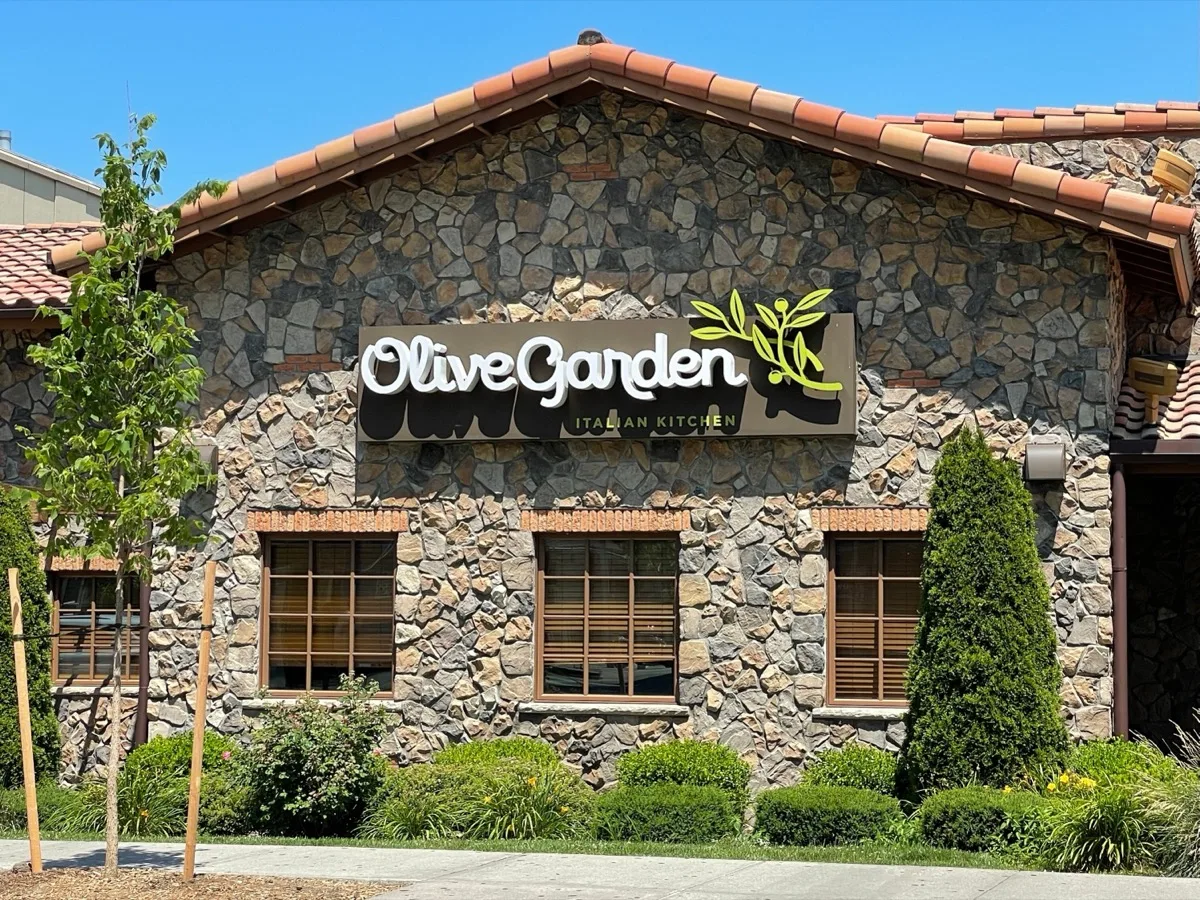
Perhaps one of the most iconic and enduring complimentary bread offerings in the casual dining sector belongs to Olive Garden: their garlic breadsticks. These "never-ending" breadsticks have been a cornerstone of the Italian-American chain’s identity since its inception in 1982. The consistent delivery of hot, buttery, salty, and perfectly textured breadsticks – crispy on the outside, soft on the inside – has cultivated a vast and loyal following. The promise of unlimited refills encourages diners to settle in and enjoy the experience, reinforcing the restaurant’s theme of generous Italian hospitality. The breadsticks are not just an appetizer; they are a fundamental part of the Olive Garden brand narrative, deeply ingrained in the public’s perception of the restaurant. However, in an era of increasing health consciousness, it is pertinent for diners to be aware of the nutritional profile of these popular items. A single breadstick, for instance, contains approximately 140 calories and 460 milligrams of sodium, information that can guide guests in making informed choices about their consumption while still enjoying this beloved offering.
Finally, Outback Steakhouse distinguishes itself with its unique Bushman Bread. This dark, rich brown bread, often served in a mini-loaf, offers a distinctly sweet and molasses-infused flavor profile that sets it apart from more conventional bread selections. Its dense yet soft texture makes it an ideal canvas for butter, which further enhances its inherent sweetness and moistness. Diners frequently describe it as a truly unique and memorable part of the Outback experience, often expressing a preference for this particular bread due to its singular taste. The combination of its sweet notes and robust character creates a satisfying counterpoint to the savory steakhouse menu, serving as a comforting and distinctly flavored prelude to the meal.
In essence, the provision of complimentary bread service by these prominent chain restaurants is far more than a simple amenity. It represents a sophisticated blend of tradition, psychological marketing, and culinary craftsmanship. Each establishment has meticulously developed an offering that not only satisfies immediate hunger but also reinforces its brand identity, cultivates customer loyalty, and creates a distinct and memorable dining experience. From the fresh-baked enthusiasm of Texas Roadhouse to the cheesy allure of Red Lobster’s biscuits and the iconic status of Olive Garden’s breadsticks, these complimentary carbohydrates continue to play a pivotal role in the competitive world of casual dining, proving that sometimes, the simplest gestures can yield the most profound impact.
About the Author