
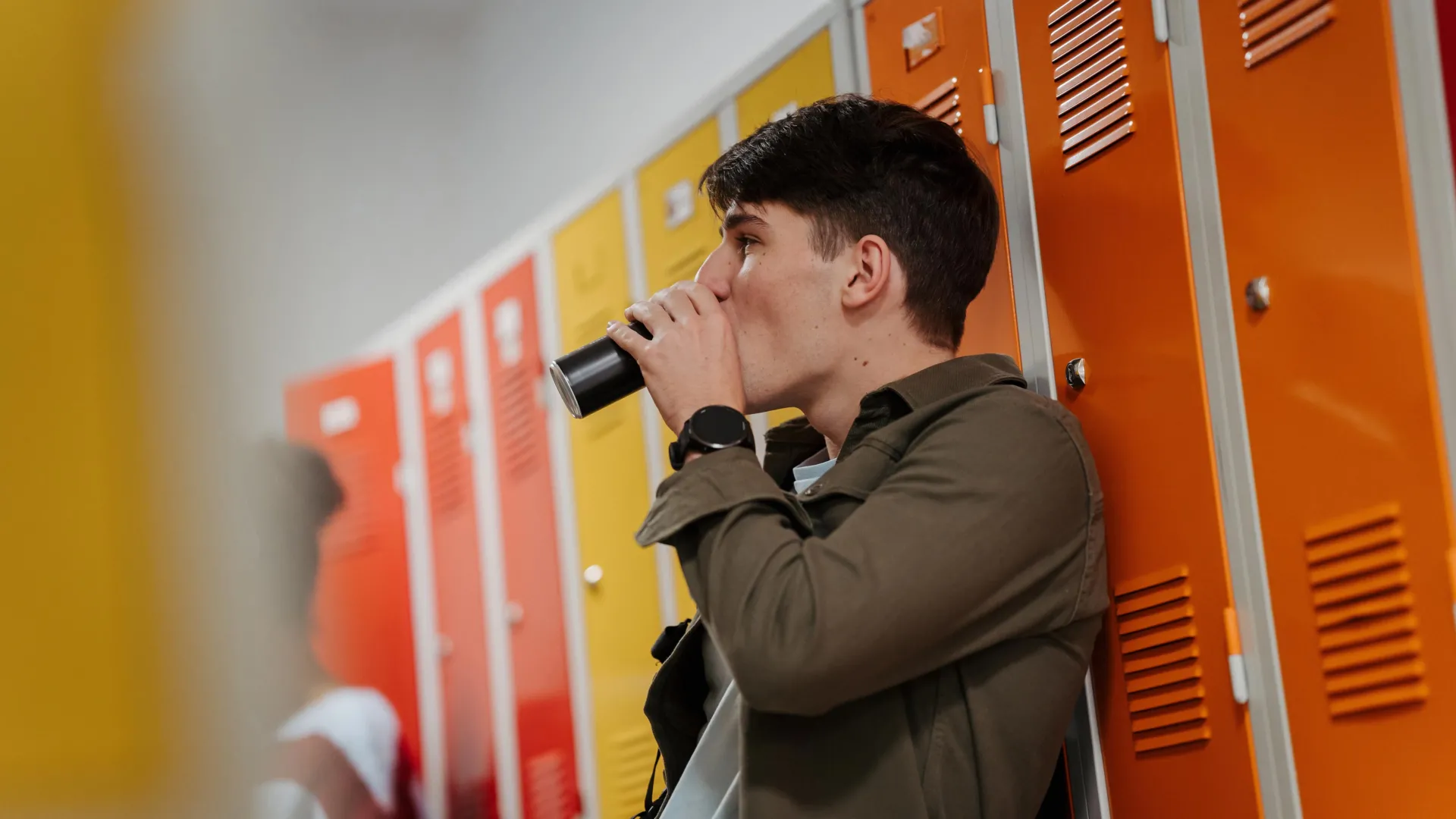
A comprehensive meta-analysis, spearheaded by researchers from Bournemouth University in collaboration with colleagues at the Lebanese American University in Beirut, has illuminated a significant correlation between the regular consumption of sugar-sweetened beverages and the prevalence of anxiety symptoms among teenagers. This extensive review meticulously examined data from numerous prior investigations that delved into the intricate interplay between dietary patterns and the psychological well-being of young individuals. By synthesizing and scrutinizing the aggregated findings, the research collective sought to discern consistent trends that permeated diverse demographic cohorts of adolescents. The seminal findings of this large-scale analytical endeavor have been formally published in the esteemed Journal of Human Nutrition and Dietetics, adding a crucial layer of scientific validation to the emerging concerns surrounding this dietary habit.
For a considerable period, the focus of public health initiatives and nutritional research concerning adolescent dietary habits has predominantly gravitated towards the tangible, physical ramifications of suboptimal eating and drinking patterns. These efforts have historically placed a strong emphasis on the well-documented links to conditions such as obesity and the escalating incidence of type-2 diabetes, reflecting a societal and medical emphasis on quantifiable physiological outcomes. However, as Dr. Chloe Casey, a Lecturer in Nutrition and a contributing co-author of the current study, articulated, the psychological and emotional dimensions of dietary choices, particularly those involving beverages that offer a substantial caloric load without delivering essential micronutrients, have remained conspicuously under-researched and inadequately explored. This oversight represents a significant gap in our understanding of adolescent health, particularly given the profound impact of mental health on overall development and quality of life.
The contemporary landscape of adolescent mental health is characterized by a pervasive and concerning rise in anxiety disorders, which have emerged as one of the most widespread and debilitating psychological challenges facing this age group. Statistics from 2023 paint a stark picture, indicating that approximately one in every five children and adolescents was contending with a diagnosed mental health disorder, with anxiety disorders being among the most frequently reported afflictions. This escalating prevalence underscores the urgent need for comprehensive research that can identify modifiable risk factors and protective strategies, moving beyond a singular focus on genetic predispositions or complex environmental stressors to include accessible lifestyle interventions.
The methodologies employed in the various studies aggregated for this meta-analysis primarily relied on self-reported survey data. Participants were meticulously assessed for both their consumption habits of sugar-sweetened beverages and the manifestation of various mental health symptoms, with a particular focus on those indicative of anxiety. The spectrum of beverages classified as high in sugar content is broad and encompasses a range of commonly consumed products. This category includes, but is not limited to, carbonated soft drinks, popular energy drinks, fruit juices that have undergone artificial sweetening, concentrated fruit squashes, teas and coffees with added sweeteners, and various flavored milk products. The sheer ubiquity of these beverages in the diets of many adolescents makes understanding their potential impact all the more critical.
Across the extensive body of research meticulously analyzed within this review, a remarkably consistent pattern emerged. The findings from disparate studies, conducted across different populations and employing varied research designs, invariably pointed towards the same conclusion: a higher frequency and greater quantity of sugary beverage consumption were reliably associated with an increased reporting of anxiety-related symptoms among the adolescent participants. This consistent association, observed across multiple independent investigations, lends significant weight to the hypothesis that a dietary link exists, warranting further exploration.
It is of paramount importance to emphasize, as the researchers themselves strongly advocate, that the observed association between high sugar-sweetened beverage intake and increased anxiety symptoms does not, in itself, establish a definitive causal relationship. The nature of this meta-analysis, which is inherently retrospective and built upon pre-existing studies, precludes the establishment of direct cause and effect. The complexity of human health means that correlation does not automatically equate to causation. For instance, it remains a plausible scenario that adolescents who are already experiencing heightened levels of anxiety might seek solace or comfort in the immediate, albeit temporary, mood-altering effects of sugary drinks, leading to a self-perpetuating cycle.
Furthermore, a constellation of other interconnected factors could be contributing to both the elevated consumption of sugary beverages and the presence of anxiety symptoms. These confounding variables might include broader family circumstances, such as household stress or socioeconomic factors, as well as prevalent sleep disturbances, which are known to significantly impact both mood regulation and dietary choices. The intricate web of influences that shape adolescent well-being means that isolating a single dietary component as the sole driver of anxiety is an oversimplification.
Despite the inability to definitively pinpoint direct causation at this juncture, Dr. Casey underscored the critical contribution of this study. "Whilst we may not be able to confirm at this stage what the direct cause is, this study has identified an unhealthy connection between consumption of sugary drinks and anxiety disorders in young people," she stated, highlighting the significance of identifying such a robust link. The implications of this finding are particularly pertinent given the alarming trajectory of adolescent mental health challenges.
"Anxiety disorders in adolescence have risen sharply in recent years so it is important to identify lifestyle habits which can be changed to reduce the risk of this trend continuing," Dr. Casey concluded, emphasizing the public health imperative to translate these research findings into actionable recommendations. The study’s lead investigator, Dr. Karim Khaled, formerly a PhD student at Bournemouth University and now affiliated with the Lebanese American University, Beirut, has spearheaded this crucial area of research, contributing significantly to our understanding of the dietary influences on adolescent mental health. This collaborative effort signifies a growing recognition of the holistic approach required to address the complex health challenges facing young people today, integrating nutritional science with psychological well-being.
About the Author












