A recent laboratory investigation originating from the University of Cambridge has brought to light the capacity of widely consumed artificial and low-calorie sweeteners to directly impact the proliferation of bacteria crucial for maintaining a robust gut ecosystem. This groundbreaking research challenges the prevailing notion of sweeteners as biologically inert substances, suggesting they may engage in complex interactions within the digestive tract, particularly when co-ingested with other compounds. The study, published in the journal Molecular Systems Biology, employed a systematic approach to assess the effects of 39 distinct sweeteners on a variety of gut bacterial species, unveiling a more nuanced picture of their physiological relevance than previously understood.
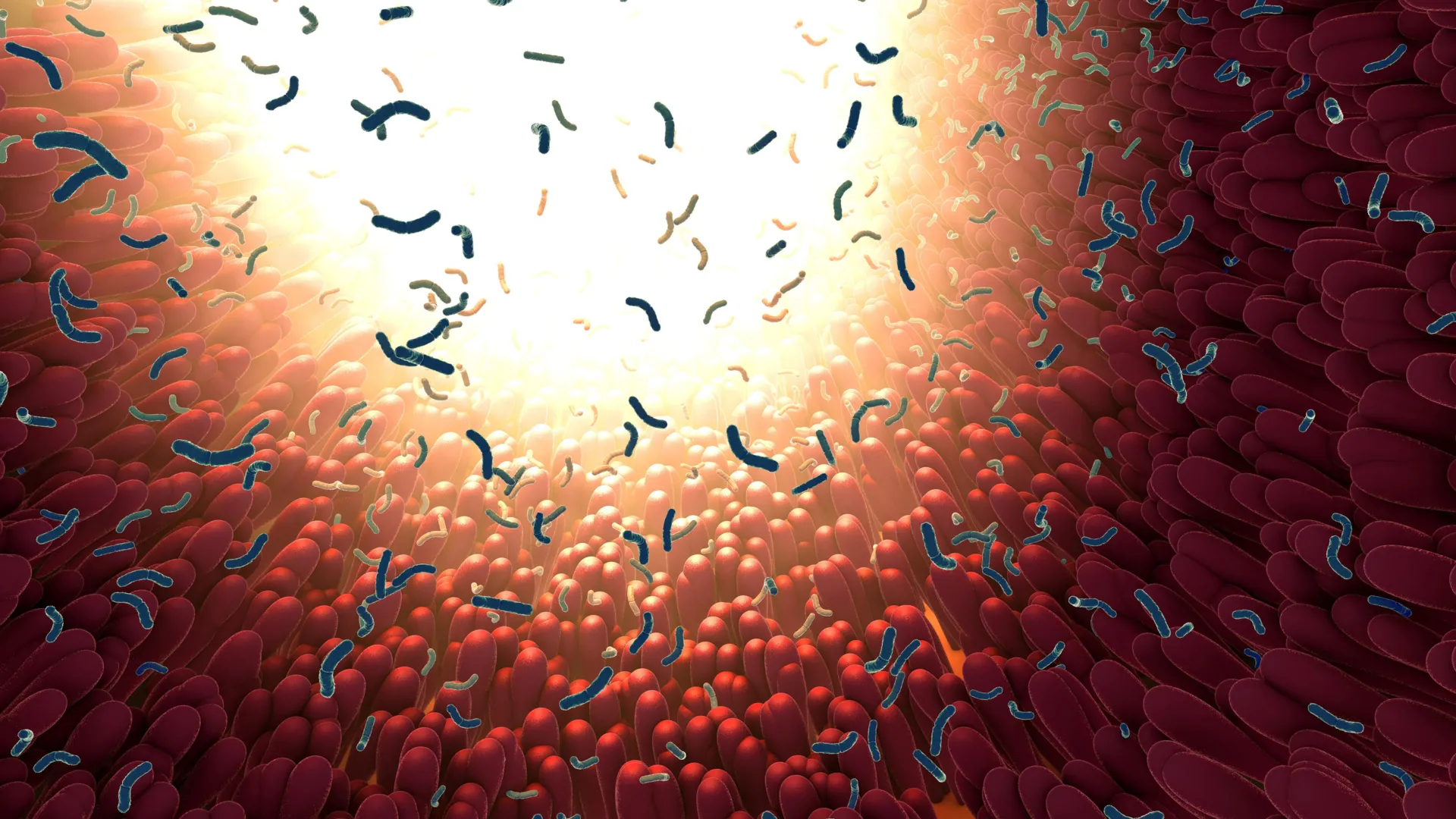
The impetus for this research stemmed from a growing body of epidemiological data linking sweetener consumption to an increased incidence of metabolic disorders, such as type 2 diabetes and obesity, as well as certain cancers. While these correlational studies have provided valuable insights, they have been insufficient in establishing direct causal relationships or elucidating the underlying biological mechanisms. A significant area of focus has been the gut microbiome, a vast and intricate community of microorganisms residing in the human digestive system, which plays a pivotal role in nutrient absorption, immune system development, and metabolic regulation. Alterations in the composition and balance of this microbial consortium have been implicated in a wide spectrum of health conditions, prompting researchers to explore how external factors, like sweeteners, might influence its delicate equilibrium.
Traditionally, the understanding of sweetener impacts has been largely derived from observational studies in human populations or controlled experiments in animal models. While these methodologies have hinted at the microbiome’s involvement in mediating sweetener effects, direct evidence of how sweeteners interact with individual gut bacteria in a laboratory setting has remained relatively scarce. Professor Kiran Patil of the Medical Research Council (MRC) Toxicology Unit at the University of Cambridge articulated this research gap, questioning whether the observed associations were due to direct engagement with gut microbes or other indirect pathways. Adding to this complexity, Dr. Sonja Blasche, a lead author of the study also affiliated with the MRC Toxicology Unit, highlighted that sweeteners are seldom consumed in isolation. Instead, they are typically incorporated into beverages, foods, or even pharmaceutical formulations, raising the possibility that their biological activity could be modulated by the presence of other ingested substances.
To address these uncertainties, Dr. Blasche and her team embarked on a comprehensive laboratory-based study. They meticulously cultivated 25 different species of bacteria, chosen to represent a spectrum of beneficial, neutral, and potentially detrimental members of the gut microbiota. Each of these bacterial isolates was then exposed to a panel of 39 commercially relevant sweeteners, encompassing both naturally derived and synthetically produced variants. The researchers diligently monitored the growth rates of these bacterial cultures, observing any instances of inhibited proliferation or complete cessation of growth. The results were striking: approximately three-quarters of the sweeteners tested demonstrated an observable effect on the growth of at least one bacterial species. Crucially, several sweeteners were found to significantly impede or entirely halt the growth of bacteria that are generally recognized as contributing to a healthy digestive tract. This finding strongly suggests that many sweeteners are not inert compounds that passively traverse the gastrointestinal tract but rather possess the potential to actively influence the microbial inhabitants.
The investigation extended beyond examining the effects of individual sweeteners to explore how their biological activity might be altered in more realistic scenarios where they are consumed alongside other substances. Recognizing that human diets and medication regimens are rarely composed of single ingredients, the research team deliberately introduced greater complexity into their experimental design. They systematically combined the tested sweeteners with a range of commonly encountered compounds, including caffeine, vanillin (a key component of vanilla flavoring), advantame (another artificial sweetener), and eight frequently prescribed medications. This combinatorial approach led to the identification of over 100 distinct instances where the presence of a second compound modified the effect of a sweetener on bacterial growth. In 34 of these cases, the combined effect was found to be amplified, leading to a more pronounced impact on bacterial proliferation, while in 68 cases, the interaction resulted in a weakened effect. This intricate interplay underscores the notion that the ultimate impact of a sweetener on the gut microbiome may be contingent upon the other dietary or pharmacological agents consumed concurrently.
Among the numerous interactions observed, one particular combination stood out due to its pronounced effect: the pairing of isosteviol, a sweetener derived from the stevia plant, with duloxetine, a widely prescribed antidepressant and anxiolytic medication also used for managing chronic pain. When these two compounds were introduced together, they exerted a potent suppressive effect on the growth of two bacterial species, Roseburia intestinalis and Parabacteroides merdae. Both of these species are considered significant components of the human gut microbiome and have been associated with a healthy digestive system and effective metabolic regulation. Given that duloxetine is a commonly prescribed medication, with millions of prescriptions issued annually, the implications of its interaction with sweeteners warrant further consideration.
To further investigate the complex dynamics of microbial communities, the researchers moved beyond studying individual bacterial species in isolation. They constructed a simplified synthetic microbial community comprising all 25 bacterial species previously tested. This controlled environment allowed them to observe how these bacteria interacted with each other and responded to various combinations of sweeteners and drugs. Within this synthetic ecosystem, the combination of isosteviol and duloxetine was observed to significantly reduce the overall microbial diversity. A diverse gut microbiome is generally considered a hallmark of resilience and good health, though the optimal composition can vary among individuals. This reduction in diversity suggests a potential disruption of the microbial community’s structure and stability. Furthermore, this combination led to a notable shift in the internal balance of the community, favoring the proliferation of certain bacterial species while causing a decline in others.
Additional experimental analyses revealed that these observed microbial shifts were associated with increased toxicity toward specific host cells and interfered with the normal functioning of cells involved in inflammatory and immune responses. These findings suggest that interactions between sweeteners, medications, and gut microbes could extend their influence beyond mere digestive processes, potentially impacting broader physiological systems. However, the researchers are careful to note that even this simplified laboratory system cannot fully replicate the immense complexity of the human body and its internal environment. Dr. Blasche emphasized that while sweeteners are often marketed as metabolically neutral, their study challenges this perception, demonstrating their capacity for direct interaction with gut bacteria, especially when present with other compounds like food additives or medications, which could lead to unforeseen consequences for the gut microbiome.
Despite the compelling nature of these laboratory findings, the researchers strongly caution against interpreting them as definitive proof of harm to humans. The experiments were conducted under tightly controlled conditions using isolated bacteria and cell models, which do not fully mirror the dynamic and multifaceted environment of the human digestive system. In vivo, sweeteners may undergo absorption, chemical modification, dilution, or degradation before reaching specific microbial populations. Moreover, individual factors such as diet, genetic makeup, concurrent medication use, and the unique composition of a person’s baseline microbiome can all significantly influence how sweeteners are processed and their ultimate effects. Therefore, future research is critically needed to ascertain whether comparable interactions occur in humans, to determine the relevant dosages that might elicit such effects, and to establish whether any observed microbial alterations translate into measurable impacts on human health. Professor Patil concluded by reiterating that their work provides a crucial foundation for future investigations, suggesting that artificial sweeteners are not merely passive passengers in the body but can actively engage with gut microbes, with these effects potentially being amplified or altered by other substances, thereby offering new avenues for understanding how sweeteners might influence health in unexpected ways. The research received funding from the European Union’s Horizon 2020 program and the UK Medical Research Council.
About the Author