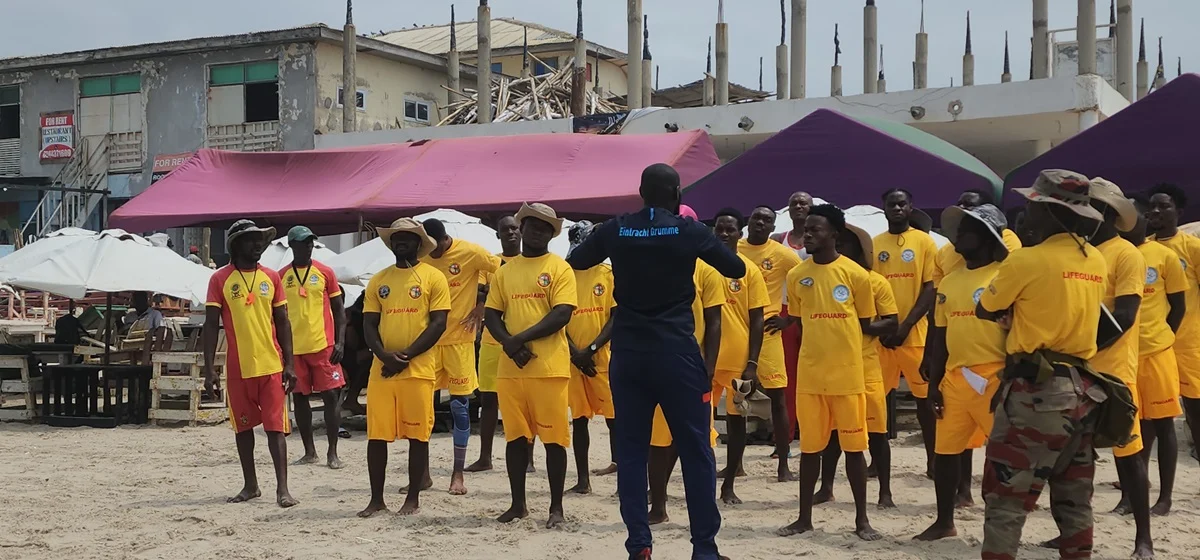
A critical new initiative to confront the pervasive and often overlooked global public health challenge of drowning has been launched by the World Health Organization (WHO). This comprehensive technical package, known as PROTECT, introduces a suite of seven evidence-based measures designed to equip governments and communities worldwide with the tools necessary to significantly diminish preventable drowning incidents. The timing of this launch, preceding World Drowning Prevention Day on July 25th, underscores the urgent international focus on an issue responsible for an alarming number of fatalities each year.
Drowning stands as a profound yet frequently underestimated contributor to global mortality, claiming the lives of nearly 300,000 individuals annually across the planet. This devastating toll places it among the top ten causes of death for children between the ages of five and fourteen, a demographic particularly vulnerable to water-related hazards. The vast majority of these tragic events, exceeding 90%, occur within low- and middle-income nations, highlighting significant disparities in safety infrastructure, awareness, and emergency response capabilities. These fatal incidents are not confined to oceans or large bodies of water but frequently transpire in more common, everyday settings such as rivers, natural lakes, domestic wells, household water storage containers, and private swimming pools, underscoring the ubiquitous nature of the risk.
The threat of drowning is further exacerbated by the accelerating impacts of climate change, which are progressively altering environmental conditions and human interactions with water. Extreme weather phenomena, including torrential floods, powerful storms, and prolonged heatwaves, are becoming increasingly frequent and intense globally, contributing directly to a heightened incidence of water-related fatalities. Research consistently demonstrates a compelling correlation between periods of elevated temperatures and increased drowning risks. For example, studies conducted in the United Kingdom revealed a notable increase in drowning deaths by 7.2% for every one-degree Celsius rise in ambient temperature. Furthermore, the probability of a drowning incident was found to be almost five times greater on days when temperatures surpassed 25 degrees Celsius compared to those below 10 degrees Celsius. This data points to a complex interplay of factors, where warmer weather encourages greater recreational water activity, potentially leading individuals into unfamiliar or unsupervised aquatic environments with inadequate safety precautions. Climate-induced displacement and the destruction of infrastructure during floods also force populations into precarious situations, increasing their exposure to hazardous water bodies.
Dr. Tedros Adhanom Ghebreyesus, the Director-General of the WHO, powerfully articulated the organization’s stance on this issue, stating, "Each instance of drowning represents an profound loss, and the overwhelming majority are entirely avoidable." He emphasized that the seven PROTECT strategies provide nations with actionable, scientifically validated methodologies to avert these heartbreaking occurrences. These approaches span a broad spectrum, including critical interventions such as enhancing the safety protocols for waterborne transportation, integrating comprehensive swimming instruction into school curricula, and establishing robust community preparedness plans for flood events. Dr. Ghebreyesus stressed that mitigating drowning risk is not the sole responsibility of a single governmental department but rather a collective endeavor that requires the active participation of all societal sectors, with the preservation of human lives serving as its ultimate reward.
The PROTECT package represents a pivotal advancement, translating the aspirational objectives of the inaugural Global Strategy for Drowning Prevention into tangible, implementable policy guidance. This foundational strategy was initially introduced in 2025 by the WHO-hosted Global Alliance for Drowning Prevention, a collaborative platform dedicated to addressing this crisis. The newly released PROTECT framework furnishes policymakers with concrete, evidence-informed recommendations organized across seven interrelated domains, all designed to bolster safety measures around water environments. While the specific details of each of the seven strategies within the PROTECT framework are extensive, they broadly encompass critical areas such as: fostering safer water transport systems through improved regulations and equipment; implementing comprehensive water safety education and survival swimming skills training, particularly for children; developing robust community-based flood preparedness and response mechanisms; promoting effective supervision of children around water; installing physical barriers to restrict access to hazardous water bodies; establishing and enforcing national water safety plans; and enhancing data collection and surveillance systems to better understand drowning epidemiology and target interventions. The holistic nature of these domains ensures that efforts are coordinated and mutually reinforcing, addressing the multi-faceted nature of drowning risk.
The ceremonial launch of the PROTECT package took place in Ghana, a nation specifically chosen to acknowledge its burgeoning political commitment to drowning prevention and its ongoing, proactive endeavors to fortify water safety measures. In Ghana, an estimated 1,100 individuals succumb to drowning each year, equating to approximately three fatalities every single day. Children and young adults in the country are disproportionately affected by these tragic incidents, often due to their proximity to water bodies essential for livelihoods, inadequate supervision, and limited access to formal swimming education or safety infrastructure. Ghana’s active engagement in this global initiative serves as a powerful testament to its increasing leadership in tackling this preventable human catastrophe. Its example is intended to inspire and underscore the imperative for other national governments to embrace and implement similar evidence-based policies that effectively reduce drowning deaths and safeguard vulnerable communities. The nation’s commitment extends beyond mere statistics, encompassing grassroots educational programs, infrastructure improvements, and policy reforms aimed at integrating water safety into national development plans.
This significant launch also builds upon a sustained collaborative effort spanning more than a decade between the WHO, numerous national governments, and a diverse array of international partners. This enduring partnership has been instrumental in advancing evidence-based drowning prevention actions worldwide, transforming isolated initiatives into a more coordinated global movement. Dr. Kelly Henning, who directs the public health program at Bloomberg Philanthropies, lauded the framework, asserting, "This comprehensive structure will undoubtedly preserve countless lives while simultaneously building upon the impressive strides governments globally are making to prevent drowning fatalities within their borders." She further emphasized, "Bloomberg Philanthropies has actively partnered with governments across the globe to implement validated, highly effective strategies that demonstrably reduce drowning deaths. We commend the World Health Organization for its exemplary leadership on this critical issue and eagerly anticipate continuing our support for both the organization and local administrations as they operationalize the PROTECT technical package."
Since 2014, Bloomberg Philanthropies has maintained a steadfast partnership with the WHO on drowning prevention initiatives. This crucial collaboration has provided essential financial and technical support, facilitating the development of foundational resources that have subsequently guided global best practices for intervention strategies, including the creation of the PROTECT technical package itself. Their sustained investment highlights the importance of philanthropic backing in driving large-scale public health improvements, particularly in areas requiring long-term commitment and innovative solutions.
The theme chosen for this year’s World Drowning Prevention Day, "Unite to turn the tide," powerfully encapsulates the overarching necessity for synchronized and concerted action. It serves as a rallying cry, emphasizing the critical need for governments at all levels, diverse sectoral organizations, and local communities to coalesce their efforts, working in unison to prevent drowning incidents and, ultimately, to save precious lives. This unified approach recognizes that no single entity can solve the complex challenge of drowning prevention alone, but through shared responsibility, innovative solutions, and unwavering commitment, the global community can significantly diminish this tragic and avoidable public health burden. The PROTECT framework, therefore, represents not just a set of strategies, but a beacon of hope for a future where fewer lives are lost to water, and communities worldwide are safer.
About the Author