A recent laboratory investigation originating from the University of Cambridge has unearthed compelling evidence suggesting that widely consumed artificial and low-calorie sweeteners may not be metabolically inert as often portrayed. The research, published in Molecular Systems Biology, demonstrates that these substances can directly influence the proliferation and viability of bacteria crucial for maintaining a healthy digestive system. This finding challenges the prevailing notion of sweeteners being mere passive constituents that traverse the gastrointestinal tract without significant biological interaction.
The study, spearheaded by Dr. Sonja Blasche and Professor Kiran Patil at the Medical Research Council (MRC) Toxicology Unit, systematically evaluated the impact of 39 different commercially prevalent sweeteners on 25 distinct bacterial species. These selected microbes represent a spectrum of gut inhabitants, encompassing those considered beneficial, neutral, and potentially pathogenic. By cultivating these bacterial species in controlled laboratory environments, the researchers were able to meticulously observe and quantify the effects of individual sweeteners on their growth rates. The results indicated a significant influence, with approximately three-quarters of the tested sweeteners demonstrating an observable effect on the growth of at least one bacterial species. Notably, several sweeteners were found to either impede or completely halt the proliferation of bacteria identified as integral to a robust digestive health.
Beyond examining the isolated effects of sweeteners, the research team delved into the complex reality of human consumption, where sweeteners are seldom ingested alone. They are typically part of a broader dietary matrix or co-administered with other compounds, including medications, flavorings, and other food additives. To simulate these real-world scenarios, the researchers subjected the bacterial cultures to combinations of sweeteners with various commonly encountered substances. These included caffeine, vanillin (a primary component of vanilla extract), and advantame, another artificial sweetener, as well as eight distinct pharmaceutical agents. This multifaceted approach yielded over 100 instances where the presence of a co-ingested compound altered the effect of a sweetener on bacterial growth. In a substantial number of these cases (34), the combined impact was amplified, while in others (68), the effect was diminished, underscoring the context-dependent nature of sweetener-microbe interactions.
A particularly striking observation emerged from the combination of isosteviol, a sweetener derived from the stevia plant and frequently employed in the food and beverage sector, with duloxetine, a widely prescribed antidepressant medication. When these two substances were introduced together to specific bacterial cultures, they exhibited a pronounced synergistic effect, leading to a significant suppression of Roseburia intestinalis and Parabacteroides merdae. These bacterial species are recognized as vital contributors to the gut microbiome, playing roles in digestive well-being, metabolic regulation, and potentially influencing immune responses. The widespread use of duloxetine, with millions of prescriptions issued annually in countries like the United States, highlights the potential relevance of this interaction for a considerable segment of the population.
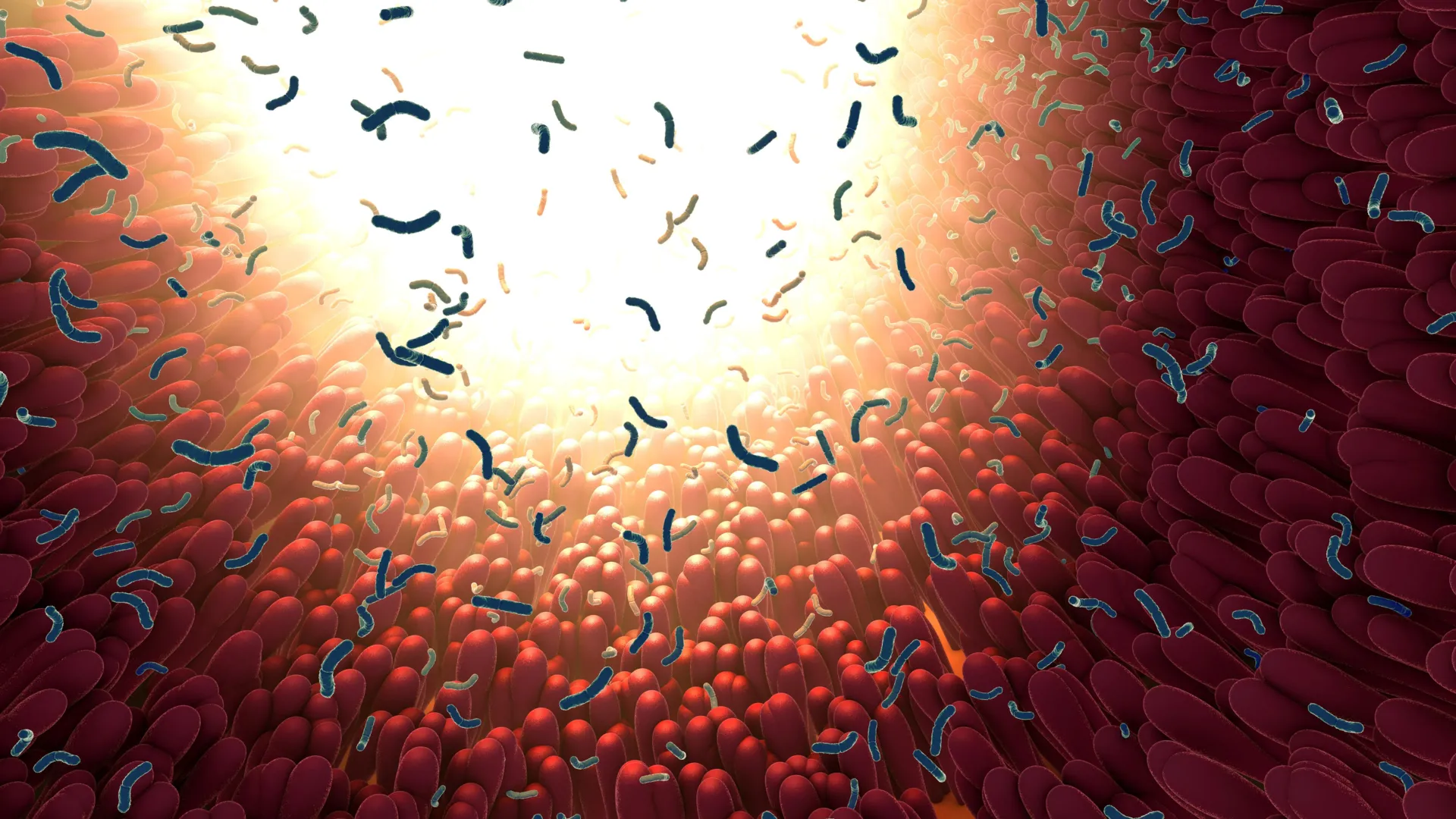
To gain a more holistic understanding of how these interactions might manifest within a complex microbial ecosystem, the researchers moved beyond single-species experiments. They constructed a simplified synthetic microbial community comprising all 25 bacterial species used in the initial phase. This controlled environment allowed them to observe how the bacterial consortia responded to different sweetener-compound mixtures. Within this simulated gut environment, the isosteviol and duloxetine combination not only reduced the abundance of beneficial bacteria but also led to a discernible decline in overall microbial diversity. A diverse gut microbiome is generally associated with greater resilience and better health outcomes, although the optimal composition can vary significantly among individuals. The observed shift in the community’s internal balance, favoring certain species while suppressing others, raises concerns about potential long-term implications for gut health.
Further investigations into the consequences of these microbial shifts suggested an increased toxicity towards certain host cells and a disruption of cellular processes involved in inflammation and immune regulation. These findings suggest that the interplay between sweeteners, medications, and the gut microbiome could extend beyond mere digestive functions, potentially influencing systemic health processes. However, the researchers are quick to emphasize the limitations of their laboratory models, acknowledging that the intricate complexities of the human body cannot be fully replicated in vitro.
The study’s findings critically challenge the perception of sweeteners as metabolically neutral agents. "Sweeteners are often marketed as metabolically neutral, but our study challenges this idea," stated Dr. Blasche. "We found that they can directly affect gut bacteria, particularly when mixed with other compounds such as medication and food additives. These common combinations could have unintended effects on our gut microbiome." Professor Patil echoed this sentiment, adding, "Our study suggests that artificial sweeteners don’t just pass through the body passively — they can interact with gut microbes, and these effects can be amplified or altered by other substances like medications. These findings can help guide new studies towards understanding how sweeteners might influence health in unexpected ways."
Despite the significant insights provided by this laboratory research, the authors strongly caution against drawing definitive conclusions about direct harm to human health. The experiments were conducted under highly controlled conditions, and the human digestive system is a far more dynamic and variable environment. In the human gut, sweeteners can undergo absorption, chemical transformation, dilution, or degradation before reaching specific microbial populations. Furthermore, individual factors such as diet, genetic predispositions, concurrent medication use, and the unique baseline composition of a person’s microbiome can profoundly influence how these substances are processed and their ultimate effects.
Consequently, further comprehensive research involving human participants is deemed essential. Future studies will need to ascertain whether similar interactions occur within the human gut, identify the specific dosages that might elicit such effects, and determine if any observed microbial alterations translate into measurable health consequences. The research was supported by funding from the European Union’s Horizon 2020 program and the UK Medical Research Council, underscoring the international recognition of the importance of this area of scientific inquiry.
About the Author