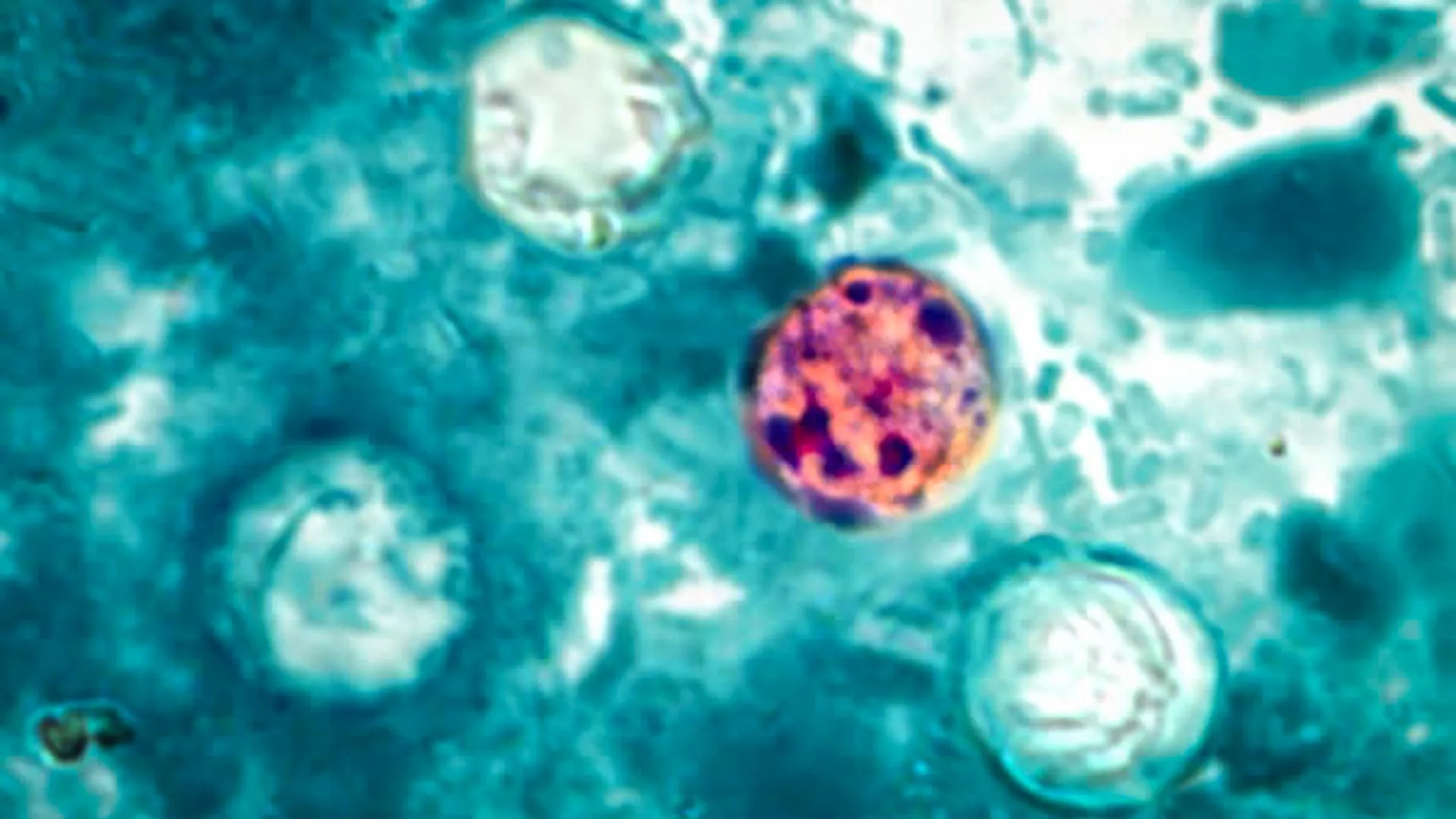
The United States Centers for Disease Control and Prevention (CDC), in conjunction with an array of state and federal health authorities, has initiated a comprehensive investigation into a burgeoning series of cyclosporiasis outbreaks that have afflicted hundreds across several regions of the nation. The primary objective of this concerted effort is to pinpoint and definitively confirm the elusive origins of the pathogen responsible for these widespread illnesses. While the investigation is actively ongoing, public health officials are diligently working to unravel the complex web of contributing factors.
A significant cluster of cyclosporiasis cases has emerged, primarily impacting at least four states in the Midwestern United States, prompting an urgent and thorough epidemiological inquiry. Health authorities are meticulously interviewing individuals who have fallen ill, gathering crucial details about their dietary consumption in the period preceding the onset of their symptoms. This information is vital for identifying potential commonalities and tracing the contamination pathway. Despite the intensive data collection, a definitive food source has yet to be conclusively identified and publicly announced. Regulatory bodies and scientific investigators are continuing their rigorous data assimilation process, aiming to isolate the specific vehicle of transmission that has led to this concerning rise in infections.
The CDC has voiced significant concern regarding the notable increase in cyclosporiasis diagnoses that has been observed since the commencement of May. Beyond the large-scale outbreak concentrated in the Midwest, federal and state agencies are concurrently examining several other distinct clusters of illness scattered throughout the United States. This suggests a potentially broader issue affecting food supply chains or agricultural practices. Cyclosporiasis, while typically not a life-threatening condition, can manifest with severe symptoms, occasionally necessitating hospitalization for affected individuals. Consequently, health experts strongly advise anyone exhibiting symptoms suggestive of cyclosporiasis to seek prompt medical attention from a qualified healthcare provider.
Data collection and analysis are being spearheaded by a collaborative effort involving the CDC, public health departments in affected states, and the U.S. Food and Drug Administration (FDA). These agencies are systematically reviewing diverse categories of information, ranging from patient interviews and symptom profiles to food handling practices and distribution networks. As of the most recent reporting date, a substantial number of individuals, exceeding 400, have been officially recorded by the CDC as infected with Cyclospora in connection with this widespread outbreak. The geographical distribution of confirmed cases is currently concentrated in Michigan, Ohio, West Virginia, and Kentucky, although health officials acknowledge the possibility of undiagnosed cases in adjacent areas. The reported onset of symptoms for individuals linked to this outbreak dates back to June 22, 2026, or subsequently.
Public health officials widely anticipate that the actual number of individuals affected by this outbreak is likely to be considerably higher than the officially documented total. Several factors contribute to this estimation. Many individuals who contract cyclosporiasis may experience milder symptoms and recover without seeking professional medical evaluation or undergoing diagnostic testing, thereby remaining absent from official statistics. Furthermore, there is an inherent time lag in the diagnostic process; it can take several weeks for a newly identified case to be definitively linked to a larger outbreak, meaning recent illnesses may not yet be reflected in the cumulative figures. To facilitate the identification of the contamination source, public health investigators employ a structured approach, collecting comprehensive demographic data from patients, including age, race, and ethnicity, alongside detailed accounts of their food consumption habits in the crucial two-week period preceding their illness. The analysis of these detailed dietary histories is instrumental in uncovering epidemiological patterns that can guide investigators toward the contaminated food item.
The incubation period for cyclosporiasis is variable, with symptoms typically emerging approximately one week after exposure to the parasite, though this can range from as little as two days to over two weeks. Without appropriate medical intervention, the symptoms associated with cyclosporiasis can persist for an extended duration, potentially lasting for several days, a full month, or even longer. This protracted nature of the illness underscores the importance of early diagnosis and treatment.
Individuals who receive a diagnosis of cyclosporiasis may be approached by local or state health authorities as part of the ongoing investigation. These inquiries are designed to elicit detailed recollections of food consumed in the two weeks prior to becoming unwell. The willingness of patients to provide thorough and accurate information is paramount to the success of public health agencies in identifying the specific food product that has served as the vector for this widespread contamination. By meticulously documenting consumption patterns, investigators can narrow down the potential sources and implement targeted recalls or advisories.
To mitigate the risk of contracting cyclosporiasis, consumers are encouraged to familiarize themselves with food items that have historically been associated with this parasitic infection. Understanding these associations can inform safer food choices and preparation methods. Proactive steps can significantly reduce the likelihood of infection. Staying informed about current food recalls and ongoing foodborne illness outbreaks is also a critical component of personal food safety. Public health agencies regularly disseminate updates on such matters, and consumers are urged to monitor these advisories.
Healthcare providers play a crucial role in the surveillance and control of infectious diseases. They are strongly encouraged to report all confirmed cases of cyclosporiasis to their respective local health departments. This reporting mechanism is essential for public health agencies to track the incidence of the disease, identify geographical hotspots, and initiate timely investigations. Comprehensive resources, including detailed information on symptoms, recommended treatment protocols, and effective patient management strategies, are made available to healthcare professionals through dedicated clinical care guidelines for cyclosporiasis. These resources are designed to equip medical practitioners with the knowledge necessary to accurately diagnose, treat, and report cases of this parasitic infection.
About the Author