Retail Returns Unpacked: Consumer Feedback Highlights Underperforming Walmart Private Label Products
Walmart, a colossal force in global retail, offers an expansive selection of merchandise ranging from everyday groceries to specialized household goods. Its vast inventory, a cornerstone of its appeal, caters to diverse consumer needs and budgets. A significant component of Walmart’s business strategy involves its private label brands, such as Great Value and Equate, which are designed to offer more economical alternatives to national brands. These store brands typically provide higher profit margins for the retailer and present consumers with perceived value. However, the sheer volume of products and the pursuit of competitive pricing inevitably lead to varying degrees of customer satisfaction. Understanding the nuances of consumer sentiment, particularly regarding product returns and negative feedback, offers critical insights into product performance and brand perception. While value is a key driver for purchasing private label items, a consistent failure to meet basic quality or functional expectations often results in products being returned or receiving poor online reviews. An analysis of shopper feedback reveals specific instances where Walmart’s own-brand offerings have consistently fallen short of expectations, leading to a notable pattern of consumer dissatisfaction and subsequent returns. This deep dive explores several of these items, examining the specific complaints and broader implications for both consumers and the retail giant.

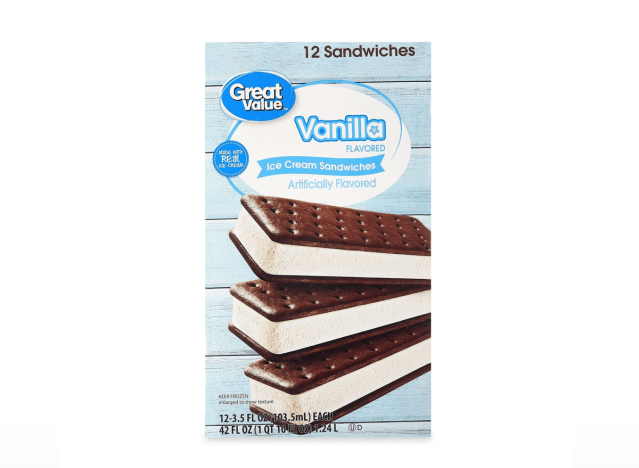
One prominent area of contention for shoppers lies within the frozen dessert aisle, specifically with Great Value Vanilla Flavored Ice Cream Sandwiches. These treats, often sought after for their convenience and affordability, have drawn criticism for their sensory attributes. Consumers frequently report a lack of discernible flavor in the ice cream component, describing it as bland or uninspired. Furthermore, the texture of the frozen filling is often characterized as unusual or unappetizing, diverging significantly from the creamy consistency typically expected of ice cream. This discrepancy between expectation and reality can be particularly disappointing for families seeking a simple, enjoyable dessert, leading to frustration and the decision to return the product. The challenge for private labels in this category is to balance cost-effective ingredient sourcing with the fundamental sensory profiles that consumers associate with quality frozen desserts.
Moving to the health and personal care sector, Equate Bandages represent another category where consumer trust is paramount, yet feedback indicates significant shortcomings. Bandages, a basic first-aid necessity, must adhere effectively to the skin to protect wounds and facilitate healing. However, numerous customers have expressed profound disappointment with the adhesive quality of Equate bandages. Reports frequently highlight an inability for the bandages to remain securely in place, often detaching within moments of application. This functional failure renders the product largely ineffective for its intended purpose, creating inconvenience and potentially compromising wound care. The implications extend beyond a mere product return; a lack of trust in essential first-aid supplies can influence future purchasing decisions across the entire private label range, as consumers may opt for national brands perceived as more reliable, even at a higher cost.
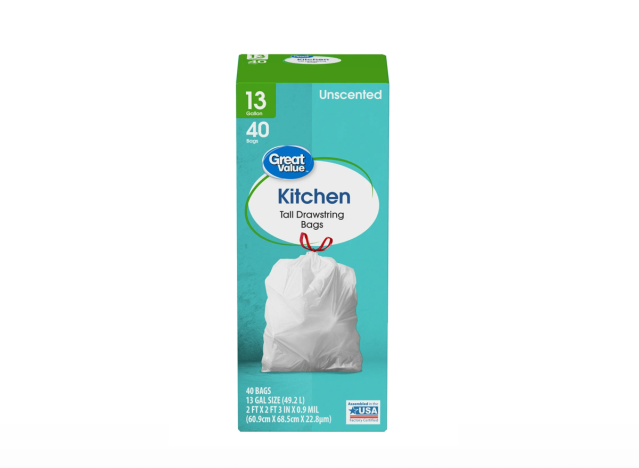
In the realm of household essentials, Great Value Kitchen Drawstring Bags have also become a source of consumer grievances. Trash bags, seemingly simple items, are crucial for effective waste management and maintaining household hygiene. The primary complaints surrounding these bags revolve around their structural integrity and fit. Shoppers report that the material often lacks the necessary strength and flexibility, leading to premature tearing or puncturing, especially when dealing with heavier or irregularly shaped waste. Moreover, the drawstring mechanism, intended to secure the bag to the trash can rim and facilitate easy closure, is frequently cited as ineffective. Bags may slip down into the can or the drawstrings may break under minimal tension, undermining the convenience and cleanliness they are meant to provide. For products like trash bags, which are subjected to daily stress, durability and reliability are non-negotiable attributes for consumers.
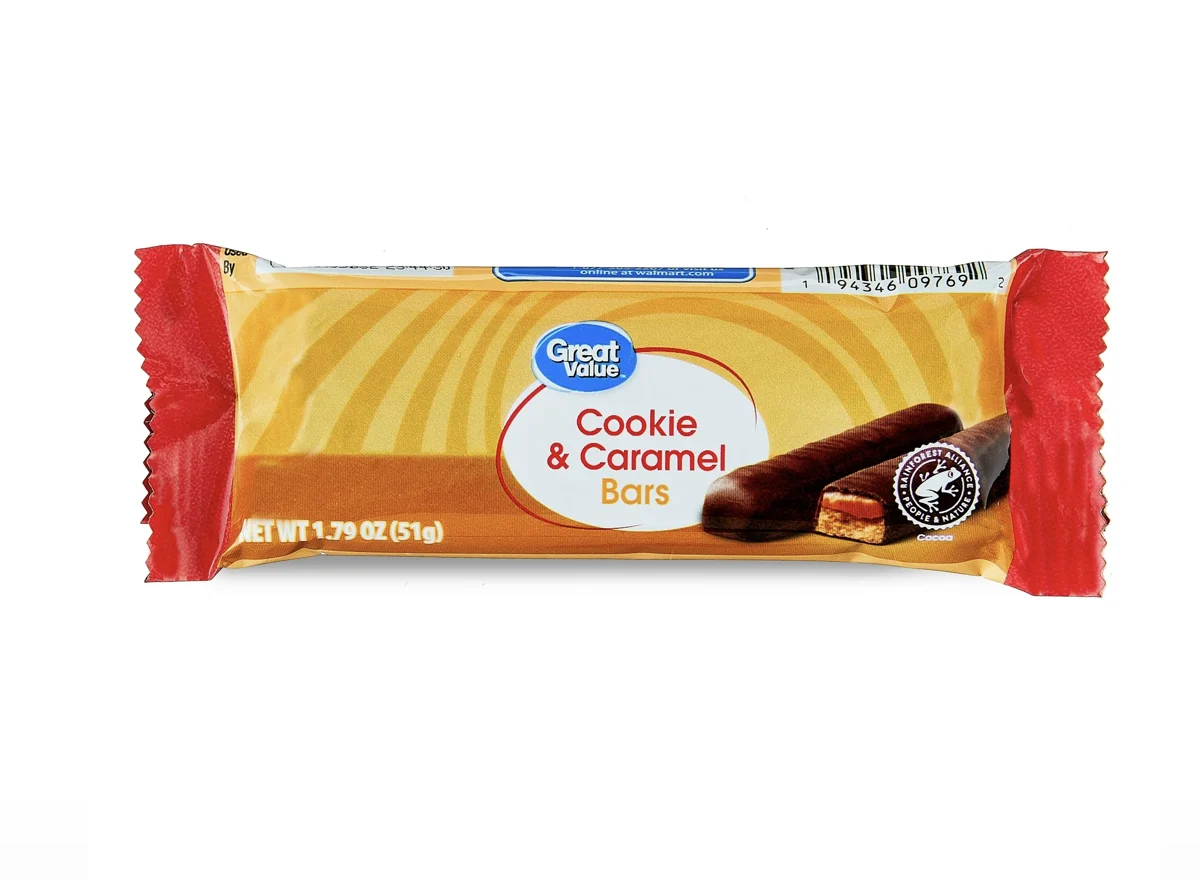
Confectionery items, particularly those designed as budget-friendly alternatives to popular branded candies, also face intense scrutiny. Great Value Cookie and Caramel Bars, for instance, have garnered negative attention for failing to replicate the desired taste experience of their national brand counterparts. Customers describe an unpleasant or artificial aftertaste that detracts significantly from the overall enjoyment. When consumers opt for a store-brand version of a beloved treat, they often expect a similar flavor profile, albeit at a lower price point. A notable departure in taste, especially an undesirable aftertaste, signals a fundamental quality issue that discourages repeat purchases. This highlights the delicate balance private labels must strike between ingredient cost and flavor authenticity to satisfy consumer expectations in a highly competitive market segment.
Within the growing category of plant-based beverages, bettergoods Almond Milk (or similar Great Value branded almond milk, as the input uses both and the context is clear it’s a store brand) has also faced specific customer concerns. While the allure of plant-based alternatives is strong for many, this particular offering has prompted reports of adverse physical reactions. One shopper specifically mentioned experiencing stomach discomfort, raising questions about potential sensitivities or even cross-contamination, despite the product being labeled gluten-free. While individual sensitivities vary, consistent reports of digestive issues can erode confidence in a product, especially one marketed as a healthier or alternative option. For consumers with dietary restrictions, the integrity of allergen labeling and the purity of ingredients are paramount, making such feedback particularly impactful.
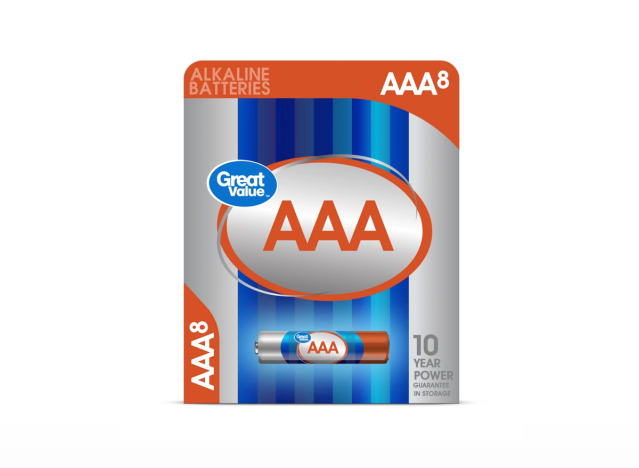
Batteries, another common household staple, frequently present a dilemma between cost and performance. Great Value Batteries exemplify this challenge, eliciting highly polarized reviews. While some consumers may find them adequate for low-drain devices, a significant portion expresses dissatisfaction with their longevity. Many reports indicate that these batteries drain remarkably quickly, often failing to power devices for a reasonable duration compared to more established brands. This perceived lack of endurance translates directly into poor value for money, as the initial savings are quickly negated by the need for frequent replacements. For devices critical to daily life, such as remote controls or children’s toys, unreliable battery performance can be a source of constant irritation, prompting consumers to revert to higher-priced, more dependable options.
Finally, the snack food segment, particularly popular cookie varieties, is another area where private labels attempt to capture market share. Great Value Twist & Shout Chocolate Flavor Sandwich Cookies, intended as an alternative to iconic sandwich cookies, have struggled to impress some palates. Customers often describe a noticeable difference in taste and texture compared to the original, leading to a sense of disappointment. For many, the specific balance of chocolatey cookie and creamy filling is a deeply ingrained expectation. When a private label version fails to replicate this sensory experience, it can be perceived as an inferior substitute rather than a comparable, value-driven option. The loyalty to specific snack brands runs deep, and private labels must meet a high bar to convert consumers effectively.
The recurring theme across these examples underscores a critical lesson for retailers: while attractive pricing is a powerful motivator, it cannot consistently override fundamental expectations of quality, functionality, and taste. Walmart’s private labels, designed to offer affordability, sometimes encounter a ceiling where cost-cutting measures begin to visibly impact product performance. Consumer feedback, whether through online reviews or product returns, serves as an invaluable barometer of this delicate balance. For Walmart, understanding these specific points of friction is crucial for refining product development, sourcing, and quality control processes. For shoppers, these insights highlight the importance of scrutinizing reviews and considering that while private labels often deliver excellent value, some categories may present a higher risk of dissatisfaction, prompting a careful consideration of whether the savings truly outweigh potential compromises in performance or experience. The ongoing dialogue between product offerings and consumer expectations will continue to shape purchasing habits in the dynamic retail environment.
Related posts:

Related News