A groundbreaking year-long clinical investigation has unveiled compelling evidence suggesting that a regimen combining specific omega-3 fatty acids with low-dose acetylsalicylic acid (ASA), commonly known as aspirin, exhibits a therapeutic efficacy remarkably similar to traditional antibiotic treatment for advanced forms of gum disease. This pivotal discovery offers a potential paradigm shift in managing severe periodontitis, particularly in an era grappling with escalating concerns over antimicrobial resistance.
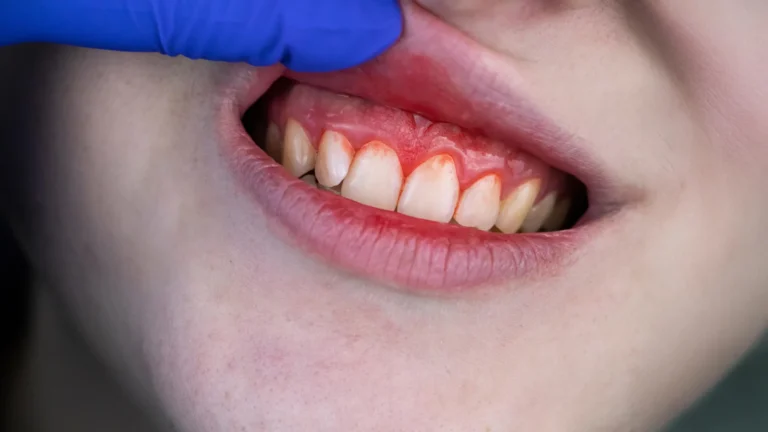
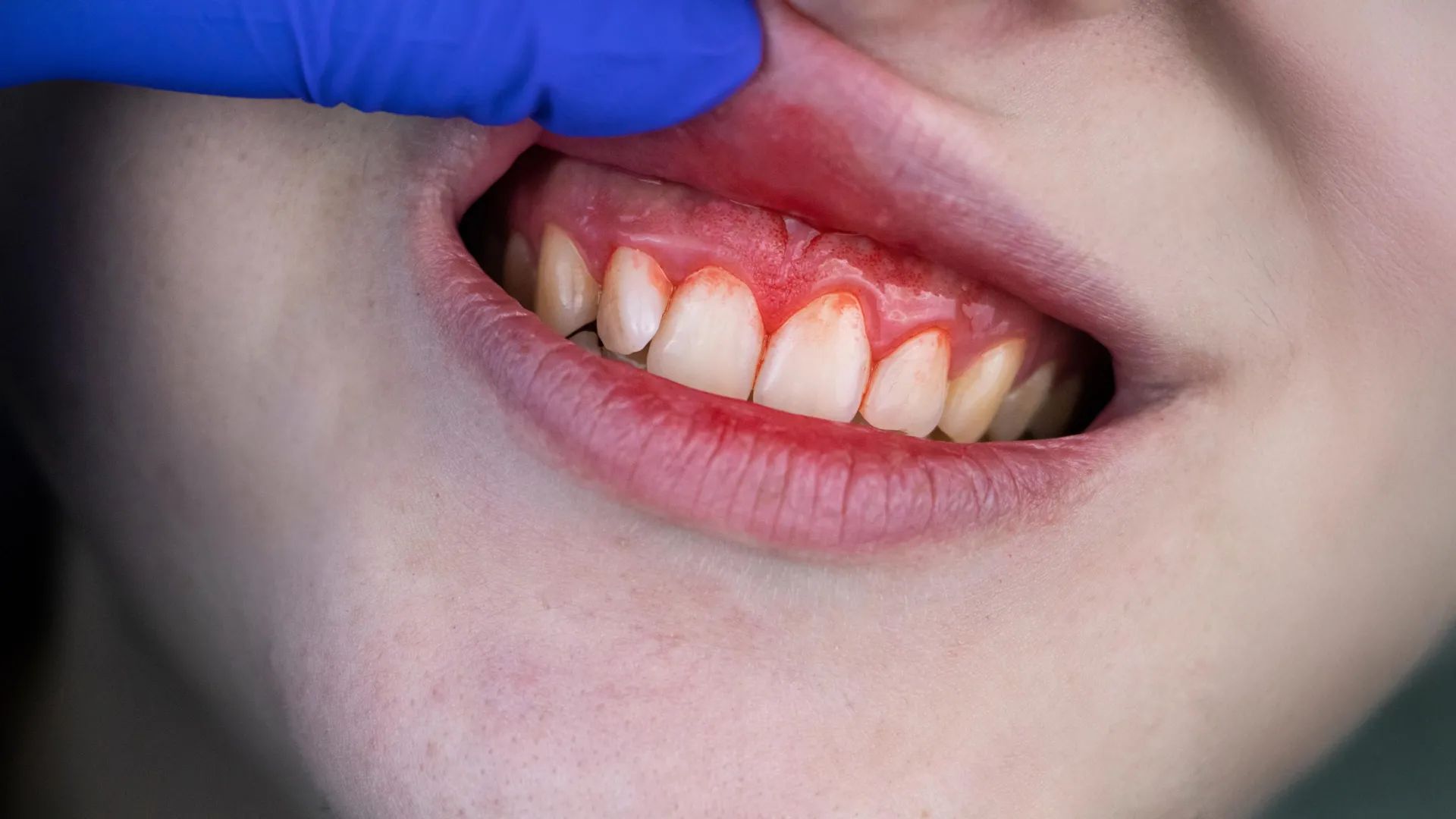
Periodontitis, a pervasive and chronic inflammatory condition affecting the tissues supporting teeth, represents a major global public health challenge. It initiates when bacterial biofilms, often referred to as plaque, accumulate beneath the gum line, triggering an immune response that, if left unchecked, leads to persistent inflammation. Over time, this chronic inflammation erodes the vital connective tissues and alveolar bone that anchor teeth firmly in the jaw, leading to pocket formation around the teeth. These deepened periodontal pockets serve as sanctuaries for pathogenic bacteria, exacerbating the disease cycle. Untreated, advanced periodontitis can result in tooth mobility, significant bone loss, and ultimately, tooth exfoliation. Its systemic implications are also increasingly recognized, linking it to conditions like cardiovascular disease, diabetes, and adverse pregnancy outcomes, underscoring the critical need for effective and sustainable treatment modalities.
The research, a collaborative endeavor involving distinguished scientific institutions from Brazil and the United States, including Albert Einstein Israelite Hospital, Guarulhos University (UNG), the University of Taubaté (UNITAU), and the Ribeirão Preto School of Dentistry at USP (FORP-USP) in Brazil, alongside Harvard University in the U.S., was meticulously designed to evaluate novel therapeutic approaches. The comprehensive findings from this study have been peer-reviewed and published in the esteemed Journal of Periodontology, lending significant credibility to its conclusions. Financial backing for this critical work was provided by FAPESP, a prominent Brazilian research funding agency, through projects 20/05874-2 and 20/05875-9.
The clinical trial enrolled 109 individuals diagnosed with advanced periodontitis, characterized by significant tissue destruction and deep periodontal pockets. Participants were observed over a twelve-month period to assess the long-term effectiveness of various treatment strategies. A fundamental aspect of managing periodontitis, subgingival instrumentation—more commonly known as scaling and root planing—was administered to all participants. This mechanical procedure is crucial for removing bacterial plaque, calculus, and toxins from the root surfaces below the gum line, thereby reducing the bacterial load and facilitating tissue healing.
Beyond this standard intervention, the subjects were systematically randomized into four distinct groups, each receiving a different adjunctive therapy. The control group was provided with placebo capsules, indistinguishable from the active treatments, for both the antibiotic and the omega-3/ASA regimens, ensuring blinding and mitigating potential bias. A second cohort received a conventional antibiotic protocol, consisting of metronidazole and amoxicillin, taken three times daily for a fortnight. This particular antibiotic combination is frequently prescribed for severe periodontitis due to robust scientific evidence supporting its efficacy in targeting the specific anaerobic bacteria implicated in the disease. The third group embarked on a six-month regimen of nutritional supplementation, receiving three grams of omega-3 daily alongside a low-dose aspirin tablet each day. Finally, a fourth group was administered a dual therapy, combining the two-week antibiotic course with the six-month omega-3 and ASA supplementation. The progress of all participants was carefully monitored at three, six, and twelve-month intervals following the initiation of their respective treatments.
The results, assessed after a full year, revealed a striking equivalence in clinical outcomes between the antibiotic and the omega-3/ASA groups. Approximately 58% of patients treated with the antibiotic combination achieved the predefined clinical success criterion, which mandated having no more than four remaining periodontal pockets of significant depth. Nearly an identical proportion, 57.7%, of participants in the omega-3 and ASA group met this same therapeutic benchmark. In stark contrast, only 23.1% of individuals who received scaling augmented solely by placebo capsules managed to reach this clinical objective, highlighting the substantial benefit conferred by the active treatments. Notably, the concurrent administration of antibiotics with omega-3 and ASA did not yield any incremental advantage over either standalone active therapy, an unexpected finding that further underscores the potency of the anti-inflammatory approach.
Dr. Nídia Cristina Castro dos Santos, a dental surgeon, professor, researcher at Einstein, and the study’s first author, emphasized the inherent difficulties in treating severe periodontitis, given the deep bacterial reservoirs. She further elaborated on the nuanced role of antibiotics in this context. While metronidazole and amoxicillin can produce favorable outcomes in the most challenging cases, their prescription necessitates careful deliberation due to the increasing global threat of bacterial resistance and the potential for adverse reactions in patients. The findings from this study offer a compelling argument for exploring alternatives that can deliver comparable results without contributing to the antibiotic resistance crisis.
The foundation for this investigation was laid by prior research that explored the anti-inflammatory potential of omega-3 fatty acids in the context of periodontal disease. An earlier FAPESP-funded study, published in Scientific Reports, demonstrated that omega-3 supplementation significantly mitigated inflammation and bone degradation associated with periodontal disease in rodent models. This effect was particularly pronounced when omega-3 intake was synergistically combined with physical exercise. While animal studies cannot definitively predict human outcomes, this earlier work provided crucial mechanistic insights, suggesting that omega-3 could profoundly influence the intricate inflammatory pathways involved in oral pathologies.
Delving deeper into the therapeutic mechanism, Dr. Castro elucidated that omega-3 fatty acids operate distinctively from conventional anti-inflammatory drugs. Rather than merely suppressing specific inflammatory mediators, omega-3 contributes to the biosynthesis of specialized pro-resolving mediators (SPMs), such as resolvins, protectins, and maresins. These endogenous lipid mediators actively orchestrate the resolution phase of inflammation, promoting the clearance of inflammatory cells and debris, facilitating tissue regeneration, and restoring physiological homeostasis. Low-dose ASA was incorporated into the regimen because of its known capacity to enhance the production of these very inflammation-resolving molecules, particularly through its acetylation of cyclooxygenase enzymes, which can shift arachidonic acid metabolism towards pro-resolving pathways. Researchers had hypothesized that this synergistic combination of omega-3 and ASA would empower the body to regain more effective control over the chronic, persistent inflammation characteristic of periodontitis.
The research team expressed surprise at the parity of outcomes. Dr. Castro admitted, "We initially hypothesized that the combined antibiotic and omega-3 approach would yield the most superior results for controlling periodontitis in these patients. We also anticipated that the group receiving omega-3 with ASA would exhibit slightly inferior outcomes compared to the antibiotic arm. The revelation that these two distinct therapeutic strategies performed so similarly was truly astonishing, opening a promising avenue for a new treatment option for this patient population."
Another remarkable observation was the sustained efficacy of the omega-3 and ASA regimen. Participants who had undergone this anti-inflammatory treatment continued to exhibit clinical improvements akin to those observed at the conclusion of the active treatment phase, even six months after they had ceased supplementation. This enduring effect hints at a profound shift in the host’s inflammatory response, suggesting that modulating the body’s intrinsic mechanisms for inflammation resolution might confer more durable benefits than simply suppressing symptoms or eradicating bacteria. The precise biological underpinnings of this prolonged effect are still subjects of ongoing investigation.
Dr. Magda Feres, the lead author of the study and a full professor at the Harvard School of Dental Medicine and the Graduate Program in Dentistry at UNG, underscored the clinical significance of these findings. "The combination of omega-3 and low-dose aspirin delivered clinical benefits that were quantitatively comparable to the established metronidazole and amoxicillin protocol," she stated. "This unequivocally presents a viable alternative, particularly for individuals who cannot tolerate antibiotics, such as patients with documented allergies or gastrointestinal sensitivities to these medications."
The capacity to effectively manage certain cases of severe periodontitis without recourse to antibiotics carries immense public health implications. The global emergence and spread of antibiotic-resistant bacteria represent one of the most pressing threats to modern medicine. Excessive and inappropriate antibiotic use exerts selective pressure, favoring the proliferation of resistant strains and rendering once-effective drugs impotent against increasingly intractable infections. Curtailing unnecessary antibiotic prescriptions is, therefore, a paramount objective in the global strategy to preserve the efficacy of these vital medications. "Demonstrating that it is feasible to treat severe periodontitis by intrinsically modulating the body’s inflammatory response provides novel and invaluable insights," Dr. Feres affirmed. "This strategy aids in conserving our arsenal of antibiotics for situations where their use is truly indispensable and life-saving."
Despite these highly encouraging results, the researchers advocate for a judicious and measured interpretation of their findings. Omega-3 and aspirin should not, at this juncture, be considered a routine, blanket substitute for antibiotics in all cases of severe periodontitis. The current clinical trial specifically included patients who were free from significant systemic health conditions or other major oral pathologies. Future research is imperative to ascertain whether these promising outcomes are replicable across broader and more diverse patient cohorts, including those with co-morbidities such as diabetes or cardiovascular disease. Furthermore, identifying specific patient phenotypes that are most likely to benefit from either an antibiotic-based or an anti-inflammatory-based therapeutic strategy remains a critical area for investigation.
In parallel, the research team is actively conducting in-depth microbiological analyses to unravel the dynamic changes occurring within the periodontal pockets during these various treatments. Early indications from these analyses suggest that the omega-3/ASA therapy may not only reduce the prevalence of bacterial species typically associated with periodontal disease but also foster an increase in microorganisms linked to a healthier oral microbiome.
Dr. Feres concluded with a message of cautious optimism: "This represents a significant advancement, but it is certainly not the definitive conclusion of the story. Therefore, our message is one of measured hope: we have identified a promising, scientifically plausible alternative to antibiotics for carefully selected cases. However, transitioning to routine clinical replacement will undeniably necessitate a more extensive body of evidence from additional, larger-scale investigations." This study marks a vital step towards more personalized, host-modulating approaches in periodontal therapy, offering a beacon of hope in the fight against both chronic disease and antimicrobial resistance.
About the Author