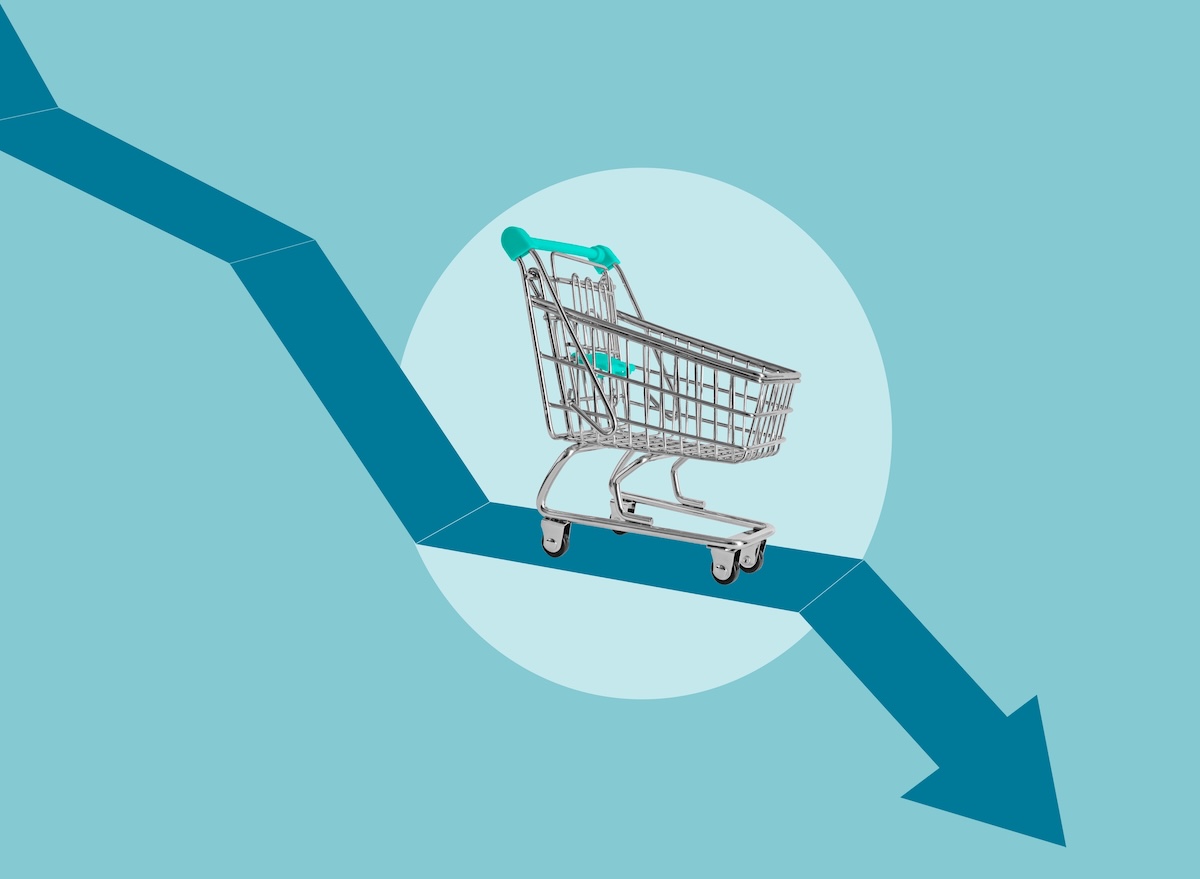
In an economic climate characterized by persistent inflationary pressures and elevated consumer expenses, major grocery retailers across the United States are strategically implementing significant price reductions on a wide array of essential household goods. This concerted effort by some of the nation’s largest chains aims to provide financial relief to shoppers grappling with rising costs, particularly the consistently high expenditures at the fuel pump which indirectly impact every aspect of household budgeting. As families navigate tighter budgets, the ability to secure daily necessities at more affordable rates has become a critical factor in their purchasing decisions, prompting retailers to respond with proactive pricing strategies.
The current economic landscape presents a complex challenge for consumers. While headline inflation figures have shown some moderation from their peaks, the cumulative effect of several years of price increases means that the cost of living remains substantially higher than pre-pandemic levels. Energy prices, especially gasoline, exert a disproportionate influence on household finances, not only directly through transportation costs but also indirectly by increasing the operational expenses for businesses, which often get passed on to consumers. This ripple effect means that even for households without extensive commutes, the elevated price of fuel contributes to the overall squeeze on disposable income. Recognising this widespread struggle, several prominent grocery operators are leveraging their scale and supply chain efficiencies to offer relief where it matters most: on the shelves stocking everyday food and household items.
This trend underscores a shift in competitive strategy within the retail sector. Beyond simply offering promotions or loyalty program discounts, these price reductions represent a more fundamental adjustment to pricing structures for core products. The motivation is multifaceted: it’s a direct response to consumer demand for greater value, a strategic play to capture or retain market share in a highly competitive industry, and a demonstration of corporate responsibility during economically challenging times. By focusing on "staples" – items frequently purchased and considered essential, such as dairy, bread, produce, and cleaning supplies – retailers are targeting the very heart of a family’s weekly budget. The collective action of these chains signifies a recognition that affordability is paramount to consumer loyalty in the current environment.
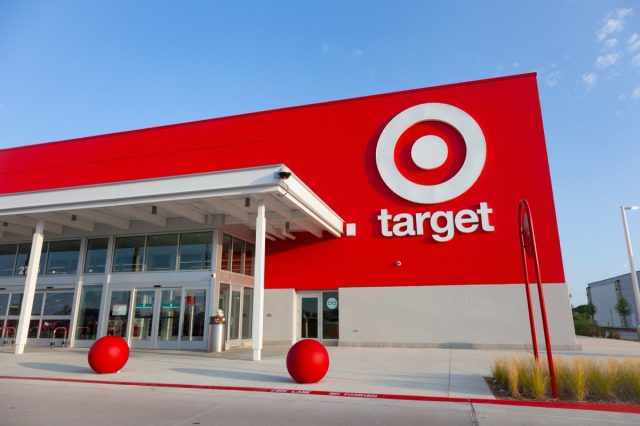
Target, a retail behemoth known for its broad assortment spanning fashion to groceries, initiated a substantial pricing initiative in March. The company announced markdowns on over 3,000 popular items, encompassing a diverse range from apparel and home furnishings to baby essentials and select food and beverage products. These price adjustments typically ranged from 5% to 20% below their original retail values. Cara Sylvester, Target’s executive vice president and chief merchandising officer, articulated the company’s rationale, stating that families are actively seeking value as they update their homes and wardrobes for the spring season. She emphasized Target’s commitment to facilitating access to stylish products and exceptional value, ensuring customers can find desired items at reduced prices. This broad-based approach by Target signals a strategic move to reinforce its reputation as a destination for both trendy goods and essential household provisions, making value a core component of its spring offering.
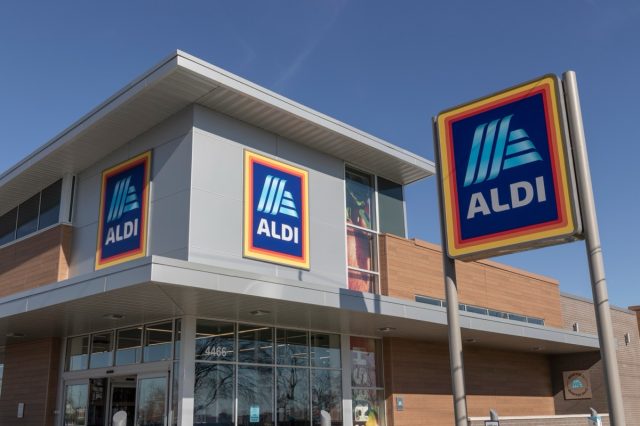
Aldi, the German-owned discount grocery chain, has long been a formidable competitor in the value-driven segment of the market. Its business model is fundamentally built around offering consistently low everyday prices on staple items, achieved through a lean operational structure, a focus on private-label brands, and efficient supply chain management. Beyond its standard competitive pricing, Aldi further enhances savings for shoppers through weekly price reductions across various categories, including groceries, beverages, and snacks. This consistent cycle of discounting means that consumers can reliably find additional savings on top of already economical base prices. Aldi even engaged in a memorable marketing campaign by reintroducing its "Burning Cash Candle" for a limited period, a playful reminder designed to highlight the financial waste incurred by shoppers who choose not to capitalize on Aldi’s lower prices. This aggressive, value-centric strategy has cemented Aldi’s position as a go-to option for budget-conscious consumers.
Amazon, a global e-commerce giant, has also been steadily expanding its footprint in the grocery sector, both online and through its physical Amazon Fresh supermarkets. The company is actively promoting its extensive private-label grocery offerings as a key avenue for consumer savings. This proprietary brand encompasses more than 1,000 distinct items, spanning dairy products, fresh produce, various snacks, an assortment of meats, and seafood. These private-label goods are priced highly competitively, aiming to provide consumers with both quality and affordability. Jason Buechel, vice president of Amazon Worldwide Grocery Stores, highlighted the company’s objective last October, explaining that the Amazon Grocery initiative simplifies the discovery and purchase process for its vast private-label food selection, all while upholding the expected standards of quality and value. This strategy allows Amazon to exert greater control over pricing and supply, positioning it as a significant player in the increasingly competitive grocery market.
Walmart, an iconic American retail corporation, is renowned for its "Everyday Low Prices" philosophy and frequently employs its "Rollback" program to offer temporary price reductions. These Rollbacks apply to a wide range of products, available both in its physical stores and through its online platform, effectively lowering prices from their original cost for a defined duration. The company consistently features numerous Rollbacks on food items and beverages, providing shoppers with regular opportunities to achieve savings on their grocery bills. Walmart’s enduring commitment to affordability, exemplified by its Rollback initiative, remains a cornerstone of its appeal, particularly for large families and individuals seeking to stretch their budgets as far as possible. This strategy leverages Walmart’s immense purchasing power and logistical scale to pass savings directly to the consumer, reinforcing its position as a value leader.
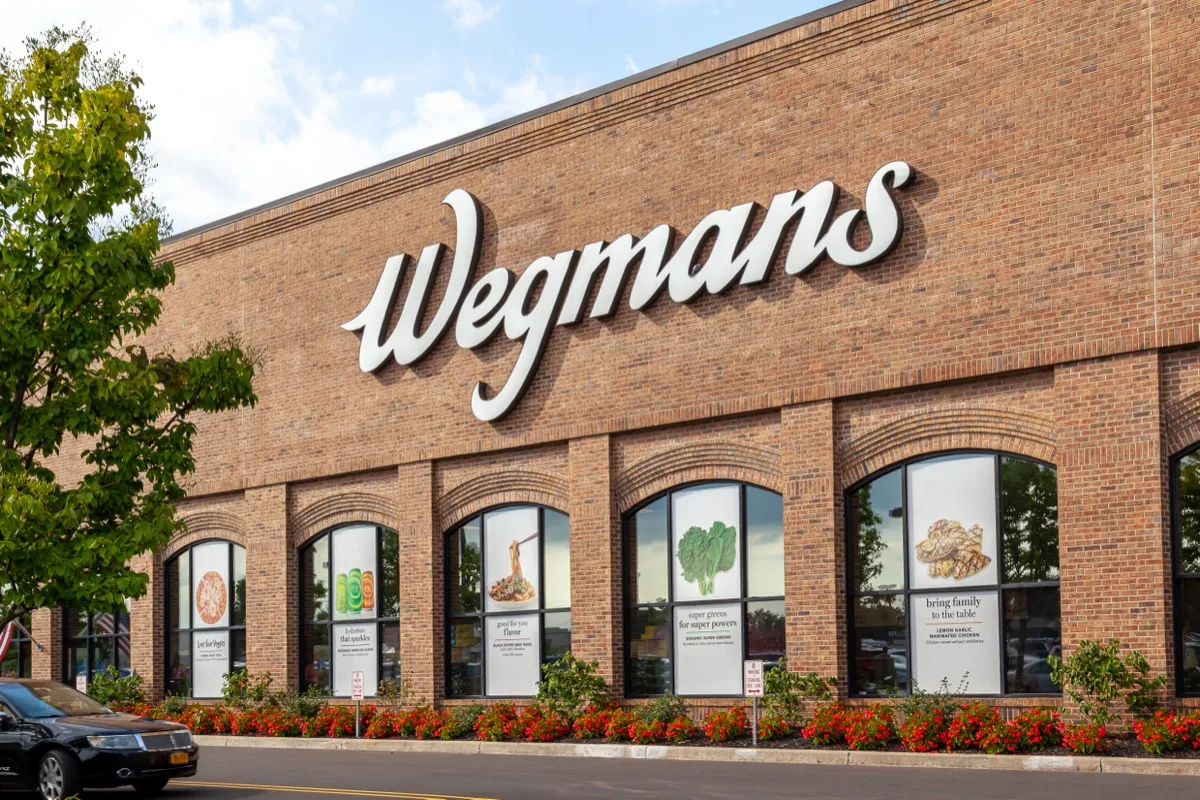
Wegmans, a regional supermarket chain celebrated for its extensive selection, high-quality offerings, and positive shopping experience, also contributes to consumer savings through its "Hot Zone" items. These are carefully curated, premium-quality products, often presented in family-sized packs, that are strategically priced to enable customers to prepare wholesome and economical meals. Examples of recent "Hot Zone" deals illustrate this approach: boneless, skinless chicken breasts with rib meat were available in family packs at an average price of $2.49 per pound. Similarly, yellow onions were offered at $1 per pound, and Wegmans Mixed Peppers, provided in a 6-pack family size, averaged $3.25 per pound. This focus on value-packed, high-quality staples allows Wegmans to cater to discerning shoppers who prioritize both quality and cost-effectiveness, demonstrating that premium shopping experiences can still integrate significant savings.
The collective actions of these retail giants reflect a broader recognition within the industry that consumer purchasing power is under considerable strain. By proactively addressing price sensitivities, these companies are not only responding to immediate economic challenges but are also investing in long-term customer loyalty. Such initiatives can have a significant impact on household budgets, providing measurable relief that allows families to reallocate funds or simply cope with other unavoidable expenses. For the retail sector itself, these strategies intensify competition, potentially compelling other chains to adopt similar approaches to maintain their competitive edge. Ultimately, this trend signals a renewed focus on value as a primary driver for consumer choice, shaping the competitive landscape of the grocery industry for the foreseeable future and offering a welcome reprieve for millions of shoppers across the nation.
About the Author