Pandemic-Induced Interruptions Jeopardize Global Childhood Immunization Gains, Fueling Fears of Preventable Disease Resurgence
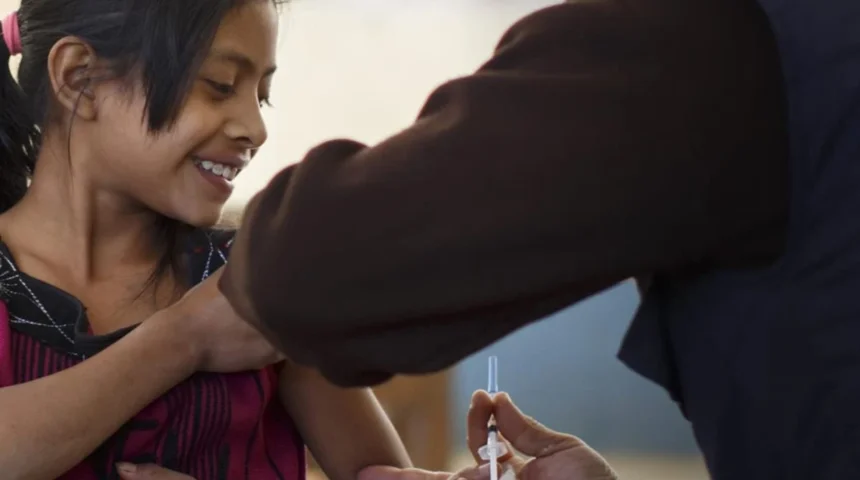
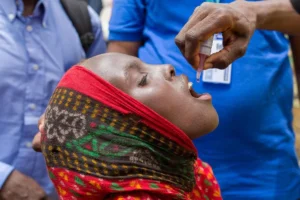
Geneva/New York – A precipitous regression in the global uptake of essential childhood vaccines has been observed, a concerning development attributed largely to the extensive disruptions wrought by the COVID-19 pandemic. On July 15, 2020, the World Health Organization (WHO) and UNICEF issued a joint declaration underscoring this alarming trend, which threatens to unravel decades of painstaking advancements in expanding immunization coverage worldwide. This setback casts a shadow over the sustained efforts to protect children and adolescents from a spectrum of serious, yet preventable, illnesses.
For nearly three decades, the world had witnessed consistent progress in safeguarding its youngest populations through routine immunization. However, preliminary data for the initial four months of 2020 indicates an unprecedented reversal. The completion rate for the three-dose diphtheria, tetanus, and pertussis (DTP3) vaccine, a critical global benchmark for immunization coverage, experienced a substantial reduction. This marks the first occasion in 28 years that DTP3 coverage is projected to decline, signaling a potential crisis in child health that could have far-reaching implications beyond the immediate scope of the COVID-19 pandemic.
Prior to the emergence of the novel coronavirus, the global immunization landscape already contended with a plateauing coverage rate, stubbornly hovering at around 85 percent for vital vaccines such as DTP3 and measles. This stagnation meant that the probability of a child born in recent years receiving the full suite of universally recommended vaccinations by their fifth birthday remained dishearteningly low, less than 20 percent. In 2019 alone, an estimated 14 million children did not receive life-saving vaccines, including those for measles and DTP3. A significant majority of these vulnerable children resided in Africa, frequently in communities already grappling with limited access to broader healthcare services. Alarmingly, two-thirds of this unimmunized cohort were concentrated in just ten low- and middle-income nations: Angola, Brazil, Democratic Republic of the Congo, Ethiopia, India, Indonesia, Mexico, Nigeria, Pakistan, and the Philippines. The increasing proportion of these children residing in middle-income countries highlights a shifting demographic burden that demands targeted interventions.
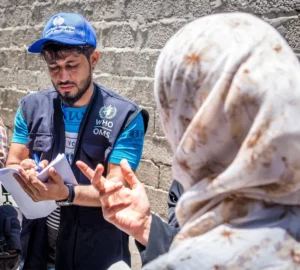
The widespread impact of the COVID-19 pandemic has exacerbated these pre-existing vulnerabilities, introducing a new layer of complexity to immunization delivery. A pulse survey conducted in May 2020 by UNICEF, WHO, and Gavi, in collaboration with the US Centers for Disease Control, the Sabin Vaccine Institute, and Johns Hopkins Bloomberg School of Public Health, revealed the pervasive nature of these disruptions. Three-quarters of the 82 participating countries reported significant interruptions to their immunization programs. The contributing factors were multifaceted, stemming from both supply-side and demand-side challenges.
On the supply side, the exigencies of the pandemic led to the redeployment of essential healthcare personnel to COVID-19 response efforts, diverting critical resources and expertise away from routine services. Furthermore, restrictions on travel and a pervasive scarcity of personal protective equipment (PPE) hindered the ability of health workers to conduct vaccination campaigns and deliver services safely. This created operational bottlenecks that severely hampered the reach and efficiency of immunization programs.
Concurrently, demand for vaccination services also plummeted. Public apprehension regarding potential exposure to the virus in healthcare settings, coupled with widespread movement restrictions, made individuals hesitant or unable to seek out immunization. Economic hardships further compounded the problem, as families struggled with transportation costs or prioritized immediate survival needs over preventive health measures. The combined effect of these factors created a perfect storm, limiting both the availability and accessibility of life-saving vaccines.
The consequences of these disruptions are already manifesting in tangible ways. At least 30 scheduled measles vaccination campaigns were either canceled or faced imminent cancellation due to the pandemic. This poses an immediate and severe risk of widespread measles outbreaks throughout 2020 and beyond. Measles, a highly contagious viral disease, can lead to severe complications, including pneumonia, encephalitis, and even death, especially in malnourished children and those with compromised immune systems. The potential for such outbreaks to overwhelm already strained health systems underscores the urgent need to restore immunization services.
Dr. Tedros Adhanom Ghebreyesus, Director-General of the WHO, emphasized the profound significance of vaccination in public health history. "Vaccines represent one of humanity’s most potent tools for disease prevention, and we have achieved remarkable strides in immunizing more children than ever before," he stated. "However, the current pandemic jeopardizes these hard-won achievements. The suffering and mortality that could result from children missing their routine immunizations could, paradoxically, surpass the direct toll of COVID-19 itself. This outcome is not inevitable. Safe vaccine delivery remains feasible even amidst the pandemic, and we implore nations to prioritize the continuity of these vital, life-saving programs."
Echoing this sentiment, UNICEF Executive Director Henrietta Fore highlighted the heightened challenges posed by the pandemic to previously routine health practices. "COVID-19 has transformed the straightforward act of vaccination into a formidable undertaking," she noted. "It is imperative that we prevent any further erosion of vaccine coverage and expeditiously reinstate immunization schedules before other diseases begin to threaten children’s lives. We cannot afford to inadvertently trade one public health crisis for another."
While the global picture presents significant challenges, regional analyses reveal both areas of past success and increasing vulnerability. South Asia, for instance, had made commendable progress over the preceding decade, witnessing a 12 percentage point increase in regional coverage for the third DTP dose. Nations like India, Nepal, and Pakistan were at the forefront of this advancement. However, these hard-earned gains are now acutely vulnerable to reversal due to COVID-19 related disruptions. Countries that had demonstrated significant forward momentum, such as Ethiopia and Pakistan, face the risk of backsliding if immunization services are not promptly and fully reinstated.
The situation in Latin America and the Caribbean is particularly concerning. This region, which historically boasted high immunization coverage rates, has experienced a troubling decline over the past decade. Countries including Brazil, Bolivia, Haiti, and Venezuela have seen their immunization coverage plummet by at least 14 percentage points since 2010. These nations are now simultaneously confronting moderate to severe disruptions stemming from the COVID-19 pandemic, creating a compounded crisis for child health. The increasing burden on middle-income countries reflects a complex interplay of factors, including internal migration, economic instability, and sometimes, political challenges, which can destabilize health infrastructure and access.
As the international public health community endeavors to recover the ground lost during the pandemic, UNICEF and WHO are actively supporting nations in their efforts to conceptualize and implement improved immunization strategies. This involves a commitment to not only restore disrupted services but also to "build back better," integrating lessons learned from the crisis to create more resilient and equitable immunization programs. This proactive approach aims to address the systemic weaknesses exposed by the pandemic and ensure that future health crises do not similarly derail essential public health interventions. Reimagining immunization entails exploring innovative delivery methods, strengthening supply chains, enhancing community engagement to address vaccine hesitancy, and leveraging digital technologies to improve data collection and program monitoring.
The current global health emergency underscores the interconnectedness of public health challenges. The COVID-19 pandemic, while demanding immediate attention, has inadvertently created a secondary public health crisis by jeopardizing routine immunization programs. The potential resurgence of vaccine-preventable diseases could place an unbearable strain on health systems already struggling to manage the direct impact of the coronavirus. Therefore, ensuring the continuity and robust recovery of childhood immunization services is not merely a supplementary effort but an indispensable component of a comprehensive global health response, critical for safeguarding the well-being of future generations.
Related posts:

Related News