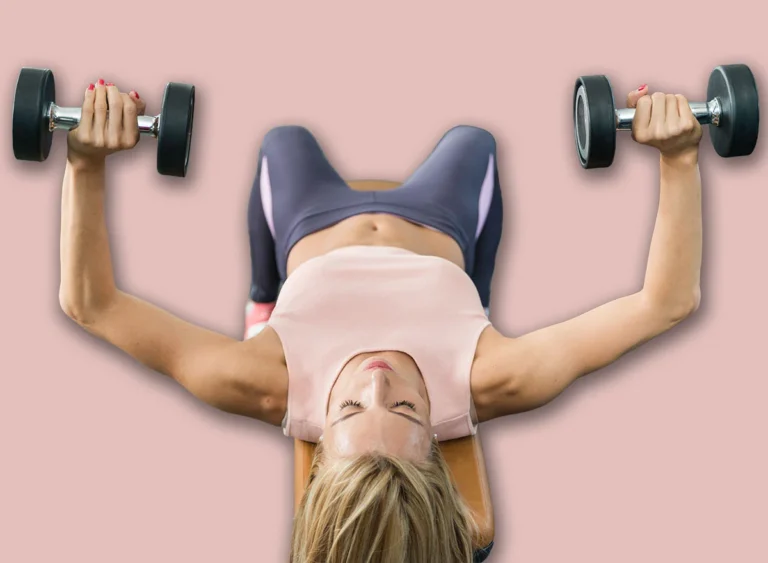
Maintaining robust balance is a cornerstone of independent living, particularly as individuals advance in age. The ability to navigate daily environments confidently and without assistance is profoundly impacted by one’s equilibrium, which naturally tends to diminish over time. This decline, if unaddressed, significantly escalates the risk of falls, identified by health organizations as a primary contributor to injuries among older demographics. Beyond the immediate physical harm, a fall can initiate a cascade of negative consequences, including loss of confidence, reduced physical activity, and a decreased overall quality of life. Recognizing this critical need, experts in musculoskeletal health emphasize the importance of consistent, targeted physical activity. Doug Bertram, M.S., L.Ac., MTCM, founder and CEO of Structural Elements, an orthopedic wellness franchise, advocates for accessible routines, including a six-minute regimen designed to enhance full-body stability for individuals over 65, conveniently performed from the comfort of one’s bed.
The physiological architecture that underpins balance undergoes significant transformations with advancing years. A primary factor is sarcopenia, the progressive loss of muscle mass and strength, which impairs the body’s ability to react quickly and powerfully to perturbations. Concurrently, bone mineral density often decreases, making the skeletal system more vulnerable to fractures should a fall occur. Beyond these muscular and skeletal changes, the intricate sensory systems crucial for balance—including proprioception (the sense of body position), the vestibular system (inner ear mechanisms governing spatial orientation), and visual acuity—can also experience age-related degradation. These combined factors reduce an individual’s capacity to detect shifts in their center of gravity and execute corrective movements promptly, thereby increasing instability.

Behavioral patterns frequently exacerbate these physiological changes. A common observation in older adults is a gradual reduction in the diversity of physical movements performed. As Bertram highlights, individuals often gravitate towards predictable routines, inadvertently limiting exposure to varied stimuli that challenge the body’s adaptive capabilities. Activities involving non-linear movements, such as lateral shifts or rotational actions, are often curtailed. This phenomenon, which can be succinctly described as a "specialization of movement," means the body becomes highly efficient at a narrow range of actions but less resilient when confronted with unexpected demands. For example, while walking or even light jogging may continue, the deliberate incorporation of twisting or sideways steps often ceases. Bertram points to the growing popularity of sports like pickleball as an example of how engaging in dynamic, multi-directional activities can counteract this trend, reintroducing essential planes of motion.
Furthermore, a common coping mechanism developed in response to perceived instability is to adopt altered postural habits. Many older adults begin to gaze downwards while walking, a natural instinct to monitor potential tripping hazards. However, this seemingly protective measure inadvertently shifts the body’s center of mass forward, disrupting optimal alignment. To compensate, individuals might broaden their stance or externally rotate their feet, resulting in a "duck-footed" gait. While these adjustments offer temporary stability, Bertram explains that they compel larger, primary muscles, typically responsible for powerful movements, to assume a sustained postural role. This can lead to muscle fatigue, inefficient movement patterns, and ultimately, a further compromise of dynamic balance. The goal, therefore, is to restore the body’s innate ability to maintain equilibrium through a range of motions, engaging both large and smaller stabilizing muscles effectively.
The six-minute exercise protocol championed by Bertram is specifically engineered to counteract these age-related declines, offering a gentle yet effective approach to enhancing balance, flexibility, and overall well-being. Its in-bed nature provides a safe and low-impact environment, minimizing the fear of falling during the exercises themselves, which can be a significant barrier to participation for many seniors. This routine aims to systematically address core stability, spinal mobility, hip flexibility, and cervical alignment, all integral components of a robust balance system. By integrating these movements into a daily ritual, such as upon waking or before sleep, individuals can consistently reinforce their body’s proprioceptive awareness and muscular control.

Deconstructing the Six-Minute Program:
-
Windshield Wipers: This exercise focuses on gentle rotational movement within the hips and lower spine. Lying on your back with knees bent and feet flat on the mattress, slowly allow both knees to fall to one side, then return to the center, and repeat on the other side, mimicking the motion of a car’s windshield wipers. This action promotes flexibility in the hip joints, mobilizes the lumbar spine, and encourages a gentle stretching of the obliques and lower back muscles. Improved hip mobility is crucial for gait and turning, directly impacting balance during walking and everyday transitions. The controlled rotation helps to maintain the elasticity and range of motion often lost with age, preparing the body for more complex movements.
-
Single Knee to Chest: Executed by lying supine and gently drawing one knee towards the chest, this movement primarily targets the lower back and hip flexors. Holding the stretch for a short duration and then releasing it helps to elongate the muscles along the spine and increase the flexibility of the hip joint. Many older adults experience tightness in these areas, which can pull the pelvis out of alignment and contribute to lower back pain, indirectly affecting posture and balance. Bertram notes that this exercise specifically aids in stretching the lumbar region and improving hip joint mobility, both vital for an upright posture and stable locomotion.

-
Knee to Chest Hold: Building upon the previous exercise, the Knee to Chest Hold involves sustaining the stretch of one knee drawn towards the chest for a longer period. This deeper, prolonged stretch further enhances flexibility in the lower back and hip, allowing muscles to relax and lengthen more thoroughly. The sustained engagement also promotes body awareness, as individuals focus on the sensations of the stretch and their breathing. This can contribute to a greater sense of control and relaxation, which is beneficial for reducing muscle tension that might otherwise impede fluid movement and balance.
-
Chin Tucks with Arm Position: This exercise is foundational for cervical spine health and head-neck alignment. Lying on your back, gently tuck your chin towards your throat, as if trying to flatten the curve of your neck against the mattress, while simultaneously positioning your arms in a specific manner (e.g., arms by your side or slightly out). This subtle movement strengthens the deep neck flexors, which are often weak in individuals who habitually carry their head forward. Proper head alignment is paramount for balance, as the head houses the vestibular system and plays a significant role in determining the body’s center of gravity. Bertram explains that this exercise "lengthens the spine and promotes proper head alignment," directly counteracting the forward head posture that can contribute to instability.
-
Chin Tucks with Clenching Fists: Integrating a full-body tension element, this variation of the chin tuck involves performing the neck movement while simultaneously clenching your fists. The act of clenching creates a subtle irradiation of tension throughout the body, activating various muscle groups and enhancing overall body awareness. This co-contraction helps to stabilize the trunk and extremities, making the cervical stabilization more integrated with the rest of the body. It trains the nervous system to coordinate muscle activation, which is a critical aspect of dynamic balance—the ability to maintain equilibrium while moving.
-
Full-Body Tension Chin Tucks: This advanced iteration combines the chin tuck with a broader application of gentle, controlled full-body tension. While tucking the chin, individuals might engage their core, gently press their feet into the bed, and activate their arm muscles without excessive straining. This integrated approach aims to create a stable, unified kinetic chain, improving the body’s ability to generate and manage tension for stability. Bertram states that "this combination helps to release tension in the low back, aligns the pelvis, and enhances overall body awareness." By promoting an integrated activation of muscle groups, this exercise strengthens the core’s role as the body’s central stabilizer, leading to improved posture, pelvic alignment, and a heightened sense of where the body is in space—all indispensable for robust balance.
Beyond the specific movements, the efficacy of this routine lies in its gentle, consistent nature, which can be easily adopted into daily life without requiring specialized equipment or a dedicated gym space. However, it is important to remember that physical activity is just one component of a comprehensive fall prevention strategy. A holistic approach includes regular medical check-ups to review medications that might cause dizziness, vision and hearing tests, maintaining adequate hydration and nutrition, and ensuring a safe home environment free from tripping hazards. Appropriate footwear, adequate lighting, and handrails can also significantly mitigate risks.
In conclusion, the pursuit of optimal balance in later life is a proactive endeavor that profoundly impacts independence and quality of life. By understanding the physiological and behavioral factors that contribute to its decline, and by adopting accessible, targeted routines like this six-minute bedside program, older adults can significantly enhance their stability and reduce their risk of falls. Such routines, when performed consistently and thoughtfully, empower individuals to move with greater confidence, maintain their autonomy, and continue to engage actively with the world around them. As with any new exercise regimen, consulting with a healthcare professional or physical therapist before beginning is always recommended to ensure it is appropriate for individual health conditions.
About the Author