
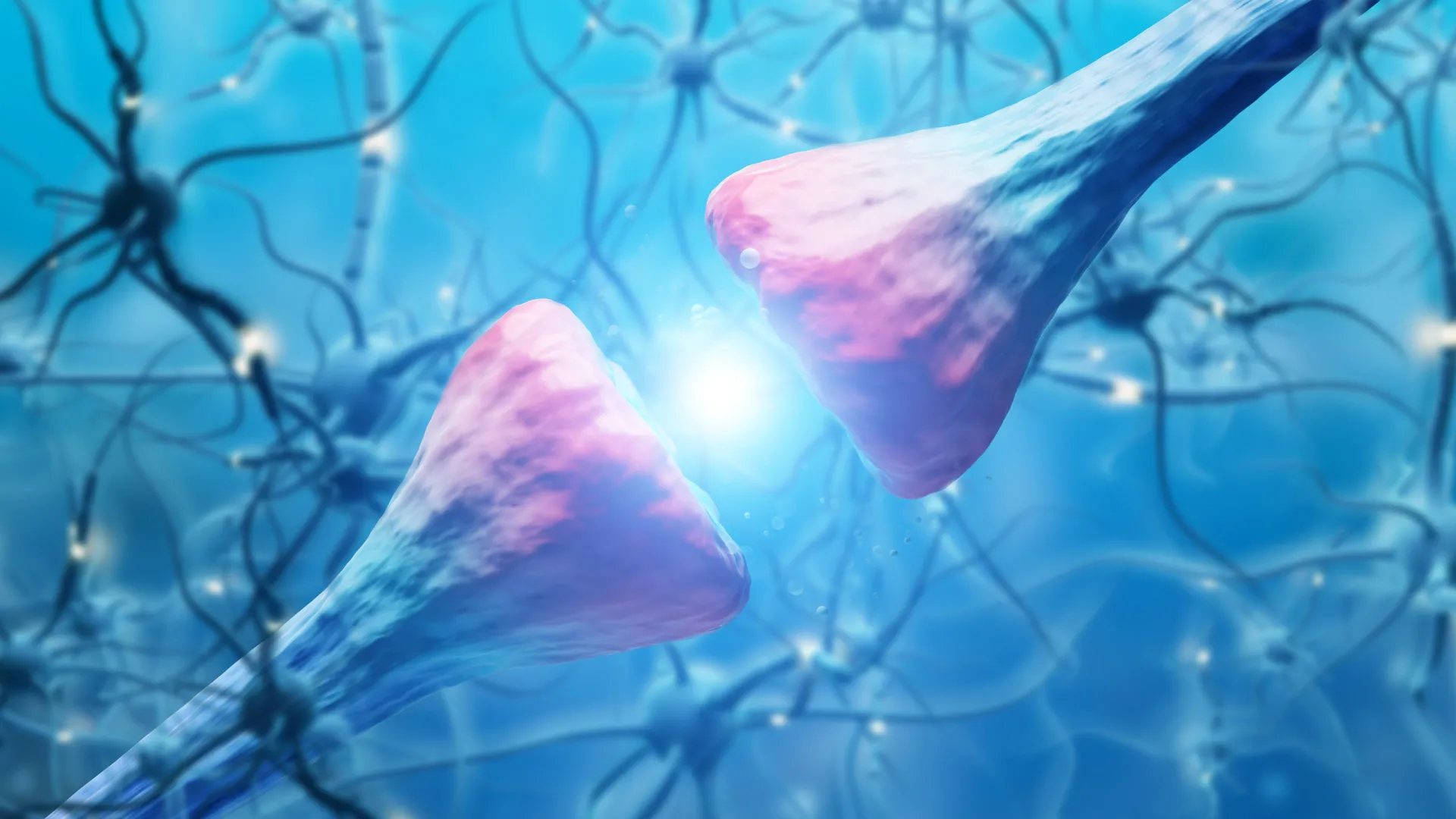
A significant breakthrough in understanding the tenacious grip of cocaine addiction has emerged from groundbreaking research, identifying a key molecular player responsible for the overwhelming urge to relapse, even after extended periods of abstinence. This scientific revelation challenges the simplistic notion of addiction as a mere failure of personal resolve, instead underscoring its roots in profound and lasting alterations to the brain’s intricate circuitry. Researchers have pinpointed a specific protein that, when influenced by cocaine exposure, establishes biological predispositions that make resisting the siren call of the drug extraordinarily difficult.
This pivotal investigation, spearheaded by scientists at Michigan State University and bolstered by funding from the National Institutes of Health, delves into the complex mechanisms by which the hippocampus, a brain region critical for memory formation and learning, is fundamentally rewired by cocaine. The findings, published in the esteemed journal Science Advances, not only illuminate the persistent challenge in treating cocaine addiction but also illuminate promising avenues for the development of novel therapeutic interventions. Professor A.J. Robison, a leading neuroscientist and physiologist and the senior author of the study, emphasized the disease-like nature of addiction, stating, "Addiction is a disease in the same sense as cancer. We need to find better treatments and help people who are addicted in the same sense that we need to find cures for cancer." This perspective underscores the urgent need for scientific and medical advancements to combat a widespread public health crisis.
The pervasive nature of cocaine addiction, affecting an estimated one million individuals in the United States alone, is exacerbated by the absence of any FDA-approved pharmacological treatments specifically designed for its management. While the cessation of cocaine use may not trigger the acute, debilitating physical withdrawal syndromes characteristic of some other substance use disorders, the psychological and behavioral compulsions to resume use remain profoundly potent. This enduring difficulty in achieving sustained recovery stems from the drug’s profound impact on the brain’s reward pathways. Cocaine induces an excessive release of dopamine, a neurotransmitter associated with pleasure, motivation, and reward, within these neural circuits. This neurochemical flood creates an intensely positive reinforcement signal, leading the brain to erroneously perceive cocaine consumption as a beneficial and desirable activity, rather than a harmful one. Consequently, even after successfully abstaining from the drug, individuals remain highly susceptible to relapse. Statistical data indicates a concerning trend, with approximately 24% of former users returning to weekly cocaine consumption, and an additional 18% seeking treatment again within a year of cessation.
The identification of DeltaFosB as a central protagonist in this narrative of persistent craving is attributed to the diligent work of Andrew Eagle, the study’s lead author and a former postdoctoral researcher in Robison’s laboratory. Through the application of sophisticated CRISPR technology, Eagle meticulously investigated how DeltaFosB influences specific neural circuits in mouse models exposed to cocaine. The research revealed that DeltaFosB acts as a powerful molecular switch, capable of modulating the expression of genes within the interconnected circuit linking the brain’s primary reward center to the hippocampus, the brain’s memory repository. With chronic cocaine exposure, DeltaFosB accumulates within this critical pathway. As its concentration increases, it instigates significant alterations in neuronal function and fundamentally reshapes the circuit’s responsiveness to the drug. Eagle’s crucial observation was that "This protein isn’t just associated with these changes, it is necessary for them. Without it, cocaine does not produce the same changes in brain activity or the same strong drive to seek out the drug." This finding establishes DeltaFosB not merely as a marker of change but as an active driver of the neurobiological adaptations that underpin addiction.
Further investigations by the research team uncovered additional genes that are intricately regulated by DeltaFosB following prolonged cocaine exposure. Among these identified genes is calreticulin, a protein known to play a role in modulating neuronal communication. The experimental evidence demonstrated that elevated levels of calreticulin enhance the activity of specific brain pathways that propel individuals toward continued cocaine seeking. In essence, calreticulin acts to amplify the neurobiological processes that reinforce addictive behaviors, thereby creating a self-perpetuating cycle of seeking and consumption.
While the current study was conducted using rodent models, the researchers posit that its implications are likely transferable to human physiology. This is due to the significant conservation of key genes and neural circuits across mammalian species, including humans. Building on these foundational discoveries, Robison’s team is actively engaged in a collaborative effort with researchers at the University of Texas Medical Branch in Galveston. This partnership aims to engineer and develop novel therapeutic compounds that specifically target DeltaFosB. Supported by a grant from the National Institute on Drug Abuse, this ambitious project focuses on designing and evaluating molecules capable of precisely controlling how DeltaFosB interacts with DNA. Professor Robison expressed optimism about the long-term prospects, stating, "If we could find the right kind of compound that works in the right way, that could potentially be a treatment for cocaine addiction. That’s years away, but that’s the long-term goal." This strategic focus on a specific molecular target represents a paradigm shift in addiction treatment, moving towards precision medicine for a complex disease.
The subsequent phase of this critical research endeavor will explore the influential role of sex hormones in modulating these addiction-related brain circuits. Furthermore, the team intends to investigate whether cocaine exerts differential effects on the brains of male and female individuals. A comprehensive understanding of these potential sex-based differences in addiction vulnerability and progression could provide invaluable insights into why addiction risks sometimes diverge between genders. Ultimately, this knowledge may pave the way for the development of more tailored and personalized treatment approaches, recognizing the unique biological and psychological profiles of individuals struggling with addiction. This commitment to exploring nuanced biological factors underscores the evolving understanding of addiction as a multifaceted condition requiring diverse and individualized interventions.
About the Author












