Optimizing Core Strength and Abdominal Contouring Post-50: A Functional Standing Exercise Protocol.
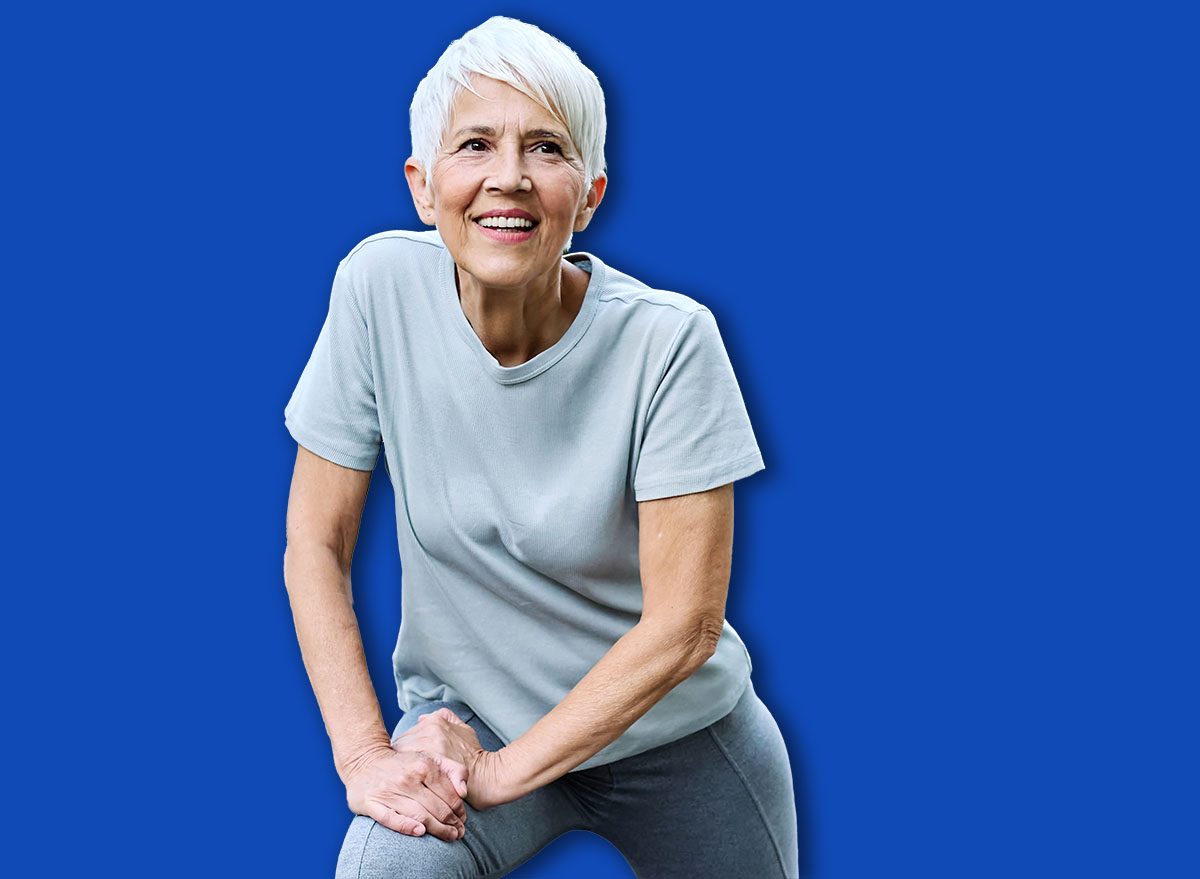
As individuals navigate the physiological shifts that accompany aging, particularly beyond the fifth decade, changes in body composition become increasingly noticeable. One common manifestation is the accumulation of adipose tissue around the midsection, sometimes referred to as an "apron belly" or panniculus. This isn’t merely a cosmetic concern; it often signifies a broader shift in overall body fat distribution, which can have implications for metabolic health, posture, and functional movement. Understanding the underlying factors and adopting a strategic approach to physical activity is paramount for effectively addressing this particular abdominal characteristic and promoting holistic wellness.
The development of increased lower abdominal adiposity, often more pronounced after the age of 50, is multifaceted. Hormonal fluctuations, such as declining estrogen levels in women and testosterone in men, contribute to a tendency for fat to redistribute from the hips and thighs towards the abdomen. Concurrently, a natural decline in muscle mass, known as sarcopenia, can lower basal metabolic rate, making it easier to gain fat and harder to lose it. This confluence of factors means that targeting abdominal fat requires more than isolated exercises; it demands a comprehensive strategy focused on increasing overall energy expenditure, building lean muscle mass, and improving core stability through functional movements.
Traditional gym routines often feature machines designed to isolate specific muscle groups. While these can be effective for hypertrophy or rehabilitation in certain contexts, they frequently fall short when the objective is to address complex body composition changes like significant abdominal fat reduction, especially in an older population. Machine-based exercises typically involve seated positions, which diminish the demand on stabilizing muscles and overall core engagement. This means that while a particular muscle group might be working hard, the body as a whole isn’t being challenged to the same extent in terms of balance, coordination, and integrated strength. For a goal centered on reducing localized fat and enhancing the appearance of the midsection, a workout regimen that necessitates greater full-body recruitment is generally more efficacious.
This is where the paradigm of standing, functional exercises proves particularly advantageous. By remaining upright, individuals engage a wider array of muscle groups simultaneously—from the feet and legs providing stability, through the core maintaining posture, to the upper body executing movements. This integrated approach not only elevates the caloric burn during the workout but also improves proprioception, balance, and coordination, all crucial components of healthy aging. Such exercises inherently mimic daily activities, fostering strength and mobility that translates directly into improved quality of life. Furthermore, a well-designed program incorporating these movements can offer a sense of achievement and progress without inducing excessive fatigue, making consistency—a cornerstone of long-term success—more attainable. The key lies in controlled intensity: exercises that elevate cardiovascular effort, challenge major muscle groups, and continuously activate the core without turning every motion into a dedicated abdominal crunch.
The following five standing exercises are carefully selected to provide a balanced workout that integrates strength, rotational power, and low-impact cardiovascular conditioning. They are designed to be performed as a circuit, allowing for efficient use of time and continuous engagement, promoting a more productive session than moving between various seated apparatuses.
1. Goblet Squat with Calf Elevation
This compound movement effectively targets the lower body while simultaneously engaging the core and enhancing overall stability. The goblet squat portion strengthens the quadriceps, glutes, and hamstrings, foundational muscles for mobility and metabolism. The addition of a calf raise at the apex of the squat extends the duration of muscle activation and incorporates the lower leg musculature, promoting improved circulation and ankle stability. Holding a weight close to the chest, as in the goblet position, inherently activates the deep core stabilizers and upper back muscles to maintain an upright posture throughout the entire range of motion.
- Muscles Engaged: Quadriceps, gluteal muscles, hamstrings, gastrocnemius, soleus (calves), and the entire core musculature.
- Execution Guidance: Begin standing with feet shoulder-width apart, holding a dumbbell vertically against your chest with both hands. Initiate the squat by pushing your hips back and bending your knees, as if sitting into a chair. Descend until your thighs are parallel to the floor or as deep as comfort and mobility allow, ensuring your chest remains lifted. Drive through your heels to return to a full standing position. Once fully upright, elevate onto the balls of your feet, lifting your heels as high as possible, engaging your calves. Slowly lower your heels back to the ground before initiating the next repetition. Prioritize a complete return to standing before performing the calf raise for optimal control.
- Prescribed Sets & Reps: Execute 3 sets of 10 to 12 repetitions. Incorporate a rest period of 45 to 60 seconds between each set.
- Adaptations: For beginners, start with a bodyweight squat and calf raise. To increase challenge, use a heavier dumbbell or experiment with a slower tempo during both the squat and calf raise phases.
2. Rotational Band Wood Chop
The standing band wood chop is a dynamic exercise that effectively trains the core through rotational movement, crucial for functional strength and injury prevention. It specifically targets the oblique muscles, which are key for cinching the waistline and providing stability during twisting motions. The resistance band provides constant tension, engaging the abdominal wall, shoulders, and hips as you pull the band across your body. This integrated movement also improves hip mobility and coordination.
- Muscles Engaged: External and internal obliques, rectus abdominis, deltoids, latissimus dorsi, and gluteal muscles.
- Execution Guidance: Anchor a resistance band securely at chest height to a sturdy post or doorframe. Stand perpendicular to the anchor point, holding the band handle with both hands. Your feet should be shoulder-width apart, knees slightly bent. Initiate the movement by rotating your torso and hips away from the anchor point, pulling the band across your body in a downward diagonal motion, as if chopping wood. Maintain control throughout the movement, allowing your hips to pivot naturally while keeping your spine in a neutral position. Avoid jerking the band; execute the motion smoothly. Return slowly to the starting position, resisting the band’s pull. Ensure your chest and pelvis move in sync, avoiding excessive spinal twisting.
- Prescribed Sets & Reps: Perform 3 sets of 10 to 12 repetitions on each side. Allow 30 to 45 seconds of rest between working each side.
- Adaptations: Adjust the band’s resistance or the distance from the anchor point. Explore variations such as low-to-high chops or slower, more controlled repetitions to enhance muscle time under tension.
3. Alternating Forward Lunge with Overhead Reach
This exercise combines lower-body strength, balance, and a mild cardiovascular component, making it an excellent full-body activator. The forward lunge strengthens the quadriceps, glutes, and hamstrings of the lead leg, while also improving hip flexibility. The integrated overhead reach extends the trunk, engaging the core for stability and the shoulders for dynamic mobility. This coordinated movement enhances posture and functional stability, essential for everyday activities like climbing stairs or reaching for objects.
- Muscles Engaged: Quadriceps, gluteal muscles, hamstrings, hip flexors, core stabilizers, and shoulder complex.
- Execution Guidance: Stand tall with your feet hip-width apart. Take a controlled step forward with one leg, lowering your hips until both knees are bent at approximately a 90-degree angle. Ensure your front knee is directly above your ankle and your back knee hovers just above the floor. Simultaneously, extend both arms directly overhead, reaching towards the ceiling. Push off your front foot to return to the starting position, bringing your arms back down. Alternate legs for each repetition. Maintain a stable front heel throughout the lunge and control the depth of your step.
- Prescribed Sets & Reps: Complete 3 sets of 8 to 10 repetitions per leg. Rest for 45 to 60 seconds between sets.
- Adaptations: Start with bodyweight only to master the form. For an increased challenge, hold a light dumbbell in each hand during the reach. Supported lunges (holding onto a wall or chair) can be used for those requiring more balance assistance.
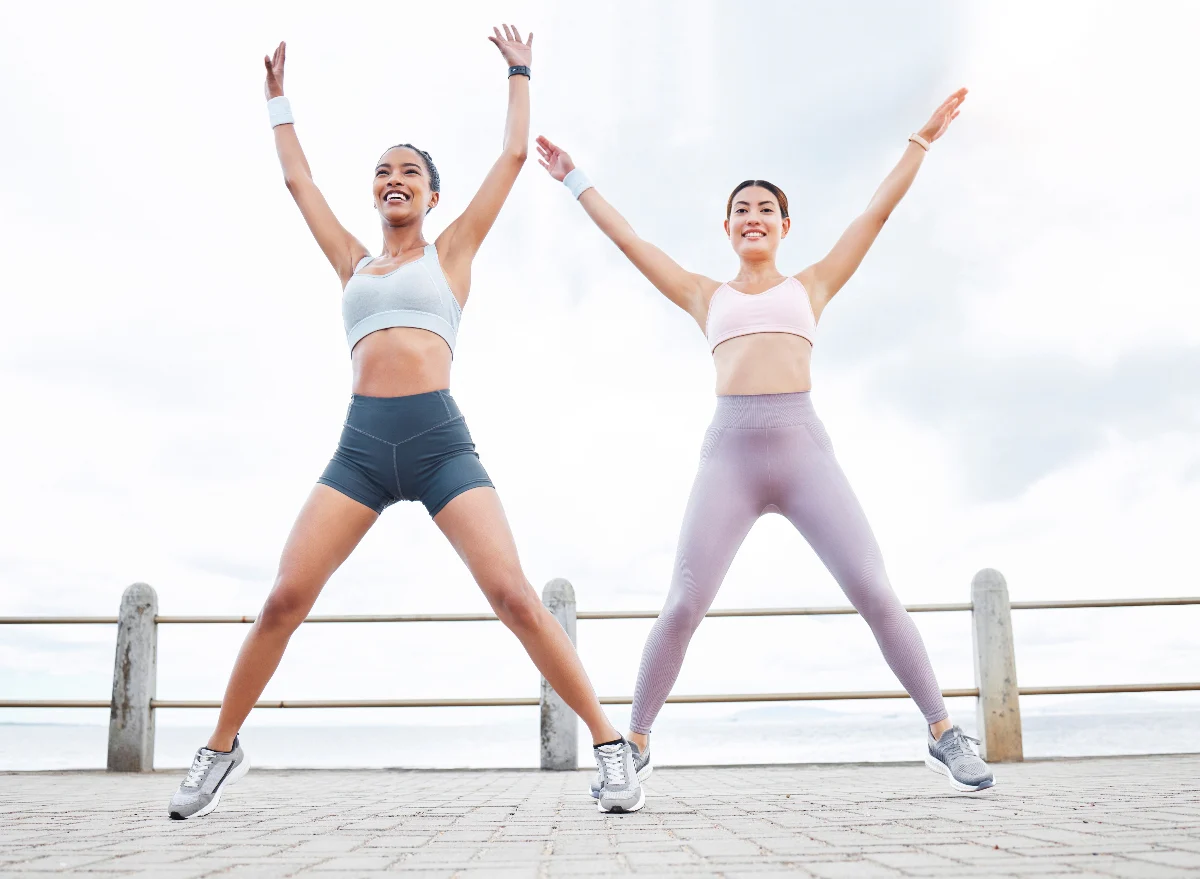
4. Low-Impact Jack with Overhead Extension
For individuals seeking to elevate their heart rate and improve cardiovascular fitness without high-impact movements, the low-impact jack is an ideal choice. By stepping one foot out at a time rather than jumping, it minimizes stress on the joints, making it suitable for a wider range of fitness levels. The accompanying overhead arm extension engages the shoulders and upper back, further contributing to increased heart rate and caloric expenditure. This rhythmic movement promotes coordination and whole-body activation in a gentle yet effective manner.
- Muscles Engaged: Gluteal muscles, quadriceps, calves, deltoids, and core stabilizers.
- Execution Guidance: Begin in a standing position with your feet together and arms at your sides. Step one foot out to the side, simultaneously raising both arms out to the sides and overhead until they meet above your head. Return the foot to the starting position and lower your arms. Immediately repeat the motion with the opposite foot. Maintain a brisk but controlled rhythm, focusing on fluid arm movements without shrugging your shoulders. Keep your posture upright and engaged throughout the exercise.
- Prescribed Sets & Reps: Perform 3 sets, each lasting 30 to 45 seconds. Incorporate a rest period of 30 to 45 seconds between sets.
- Adaptations: Adjust the speed of the steps and arm movements. For less intensity, perform smaller steps and limit the overhead arm range. To increase intensity, move faster while maintaining control.
5. Dumbbell Front-Rack March
This deceptively simple exercise transforms basic marching into a powerful full-body core and strength builder. By holding dumbbells in a front-rack position (at the shoulders), the core muscles, particularly the deep stabilizers, are intensely engaged to prevent the torso from leaning back or swaying as the knees lift. This sustained isometric contraction of the core, combined with the dynamic leg movement, significantly enhances abdominal strength, hip flexor activation, and overall postural control. It’s an excellent way to add intensity and functional strength without requiring extensive space or complex movements.
- Muscles Engaged: Core stabilizers (transverse abdominis, obliques), hip flexors, gluteal muscles, quadriceps, deltoids, and upper back muscles.
- Execution Guidance: Stand tall with a dumbbell in each hand, resting them gently on your shoulders (front-rack position). Engage your core and maintain an upright posture. Begin marching in place, lifting one knee towards your chest, then slowly lowering it back to the ground before lifting the opposite knee. Focus on controlled, deliberate movements. Ensure the weights remain stable at your shoulders, and resist the urge to lean backward as your knees ascend. The primary effort should come from your core and hip flexors.
- Prescribed Sets & Reps: Execute 3 sets, each lasting 20 to 30 seconds. Allow 30 to 45 seconds of rest between sets.
- Adaptations: Begin with bodyweight marches, focusing solely on core engagement. Progress to using a single dumbbell held horizontally across the chest, or increase the weight of the dumbbells for greater challenge. Slowing down the marching tempo can also increase the time under tension for the core.
Integrating These Movements into Your Fitness Regimen
To maximize the effectiveness of these exercises, incorporate them into a circuit training format two to four times per week. Begin by performing one set of each exercise consecutively, with minimal rest between movements. Once you have completed one full round of all five exercises, take a slightly longer rest period of 60 to 90 seconds. Then, repeat the entire circuit for a total of two to three rounds, depending on your fitness level and available time.
Achieving a leaner midsection and enhancing overall body composition, particularly after the age of 50, extends beyond the gym floor. A holistic approach is essential. Nutritional choices play a critical role; focusing on a balanced diet rich in lean proteins, complex carbohydrates, healthy fats, and abundant fiber can support fat loss and muscle preservation. Adequate hydration, consistent and restorative sleep, and effective stress management techniques are equally vital, as they influence hormonal balance and metabolic function.
In conclusion, addressing specific body composition goals like reducing abdominal adiposity requires a strategic and integrated fitness approach. While isolated abdominal work has its place, functional standing exercises offer a superior pathway for individuals over 50 by simultaneously engaging multiple muscle groups, improving balance and posture, and elevating overall caloric expenditure. By combining these purposeful movements with a healthy lifestyle, individuals can foster sustainable physical improvements, leading to enhanced strength, a more contoured midsection, and an improved quality of life.
Related posts:

Related News