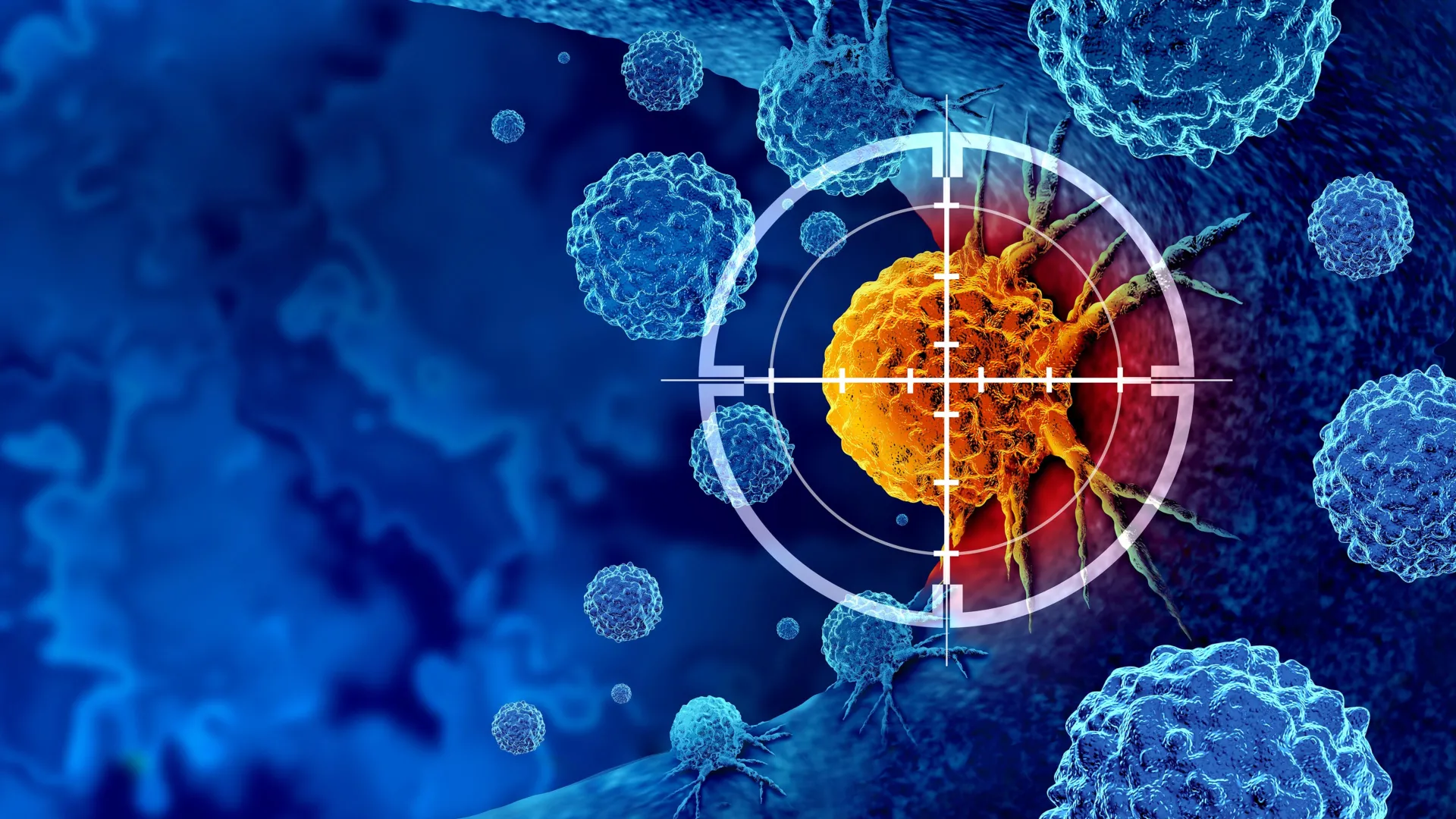
Prostate cancer, a malignancy notoriously resistant to the transformative power of immunotherapy, may soon become a more receptive target for this groundbreaking treatment approach, thanks to a revolutionary RNA-targeting technology developed by researchers. This innovative system, employing a sophisticated CRISPR-based mechanism, has demonstrated the remarkable ability to render prostate tumors significantly more susceptible to attack by the body’s own immune defenses.
The fundamental challenge in treating many prostate cancers with immunotherapy lies in their designation as "immune cold" tumors. This classification signifies a profound lack of infiltration by crucial immune cells, particularly T cells, which are the primary agents responsible for identifying and eradicating cancerous growths. Without a sufficient contingent of these cytotoxic warriors within the tumor microenvironment, conventional immunotherapies, designed to amplify the immune system’s natural anti-cancer capabilities, often find themselves rendered ineffective. However, the newly developed technology directly addresses this critical deficiency by manipulating RNA within prostate cancer cells, effectively making these tumors more visible and appealing to cancer-fighting immune cells.
Published findings in the esteemed journal Nature Biomedical Engineering detail the successful application of this technology in preclinical models. In laboratory studies conducted on mice, the CRISPR-guided RNA modification significantly enhanced the efficacy of immune checkpoint therapy against prostate tumors. This translated into a marked increase in the number of immune cells that successfully penetrated the tumor masses, where they actively engaged in the destruction of malignant cells.
Dr. Eric J. Wagner, a co-author of the study affiliated with the University of Rochester Medicine, emphasized the profound paradigm shift that immunotherapy represents in cancer treatment, highlighting its potential to circumvent the debilitating side effects often associated with traditional chemotherapy. "Immune therapy is a monumentally different way to treat cancer, and a great way because you don’t have to give patients terrible drugs that kill the cancer but harm healthy cells in the process," Dr. Wagner stated. He further elaborated on the persistent hurdle of treatment resistance, noting that while some cancers readily succumb to immune therapies, others exhibit inherent resistance or develop it over time. The novel tool developed by his team aims to bolster the immune system’s capacity to eliminate cancer and holds the promise of synergistic application with existing immunotherapies, not only for prostate cancer but potentially for other "immune cold" tumor types as well.
The genesis of this groundbreaking work can be traced back over a decade to a pivotal discovery made by Dr. Wagner’s research group during their investigations into glioblastoma, a particularly aggressive form of brain cancer. They observed that a significant proportion of messenger RNAs (mRNAs) within glioblastoma cells exhibited an abnormal shortening compared to their typical length. Subsequent research, conducted by Dr. Wagner’s team and other independent scientific bodies, confirmed that this phenomenon of mRNA shortening is not exclusive to glioblastoma but is prevalent across a diverse spectrum of cancers. This molecular adaptation appears to confer survival advantages upon tumor cells, enabling them to evade therapeutic interventions.
Messenger RNA, a vital molecule, serves as the intermediary between DNA, the cell’s genetic blueprint, and the cellular machinery responsible for protein synthesis. It carries the genetic instructions encoded in DNA to ribosomes, where this information is translated into the functional proteins essential for cellular processes and organismal health. mRNAs that are shorter tend to exhibit greater stability within the cellular environment. This heightened stability can be likened to the protective strategy employed by certain animals that reduce their physical profile for defense, such as hedgehogs or pangolins. Similarly, compact mRNAs possess a reduced surface area, making them less susceptible to degradation by intracellular enzymes.
Furthermore, the altered structure of shortened mRNAs poses challenges for the cell’s regulatory mechanisms. Their extended persistence within the cell allows for the prolonged and potentially uncontrolled production of their corresponding proteins. This can lead to the amplification of their effects without adhering to the normal checks and balances that govern cellular activity, potentially contributing to the malignant phenotype.
A key factor contributing to the "immune cold" characteristic of many tumors is the downregulation or complete loss of the Major Histocompatibility Complex class I (MHC-I) molecule. MHC-I plays a critical role as a molecular signaling platform, presenting fragments of intracellular proteins on the surface of cells. This presentation is crucial for enabling T cells, a type of lymphocyte, to recognize and distinguish between healthy cells and those infected or transformed by cancer. In the absence of sufficient MHC-I expression, malignant cells effectively become camouflaged, rendering them significantly more difficult for the immune system to detect and eliminate.
The researchers elucidated a complex cascade of events that contributes to the suppression of MHC-I expression in prostate cancer. This intricate biological pathway, when disrupted by the tumor, effectively blinds the immune system to its presence.
The collaborative research endeavor, spearheaded by scientists from Duke University School of Medicine, devised a pioneering therapeutic strategy aimed at restoring the normal length of the mRNA responsible for producing the SPSB1 protein. By employing an RNA-based CRISPR Cas13 system, the researchers were able to induce the re-lengthening of aberrantly shortened SPSB1 mRNA molecules within prostate cancer cells.
While CRISPR technology is widely recognized for its capacity to precisely edit DNA or RNA, the application in this study differed in its mechanism. Instead of cleaving the target RNA, the engineered CRISPR system was designed to bind to a specific sequence within the SPSB1 mRNA. This targeted binding effectively shielded the molecule from the cellular machinery responsible for its premature shortening, thereby preventing the truncation of its "tail" – a crucial regulatory region.
By maintaining the SPSB1 mRNA at its native, longer length, the therapeutic intervention led to a reduction in the production of the SPSB1 protein by the cancer cells. This crucial step, in turn, facilitated the restoration of MHC-I complex expression on the surface of the tumor cells.
With the re-establishment of MHC-I signaling, immune checkpoint therapy, which typically targets the inhibitory signals that cancer cells use to evade immune surveillance, became substantially more effective in combating prostate tumors. Rigorous analysis of the experimental CRISPR treatment revealed no detectable off-target effects, underscoring the precision and safety of this novel approach in the preclinical setting.
"No one has ever done this before. It’s an excellent preclinical model showing that mRNAs can be forced to re-lengthen and when they do, there’s therapeutic benefit," Dr. Wagner remarked, also serving as a professor of Biochemistry and Biophysics and co-director of the Center for RNA Biology. He further posited that cancer’s evolutionary prowess, while formidable, is not insurmountable. "Cancer is super smart at evolving, but it’s not a magician. If we can hit it with immunotherapy and another synergistic drug that pumps up the immune response, we could potentially cure it. It won’t be able to evolve fast enough," he concluded.
Dr. Wagner, who is also an integral member of the Genetics, Epigenetics and Metabolism research program at the Wilmot Cancer Institute, is now directing his research efforts toward exploring the applicability of this innovative strategy to other types of "immune cold" cancers.
His team has recently secured initial funding from the Wilmot and Roswell Park Comprehensive Cancer Centers to investigate the efficacy of this technology in pancreatic cancer, another malignancy that frequently exhibits a poor response to immunotherapeutic interventions.
This significant research undertaking received crucial financial support from the National Cancer Institute, a division of the National Institutes of Health.
About the Author