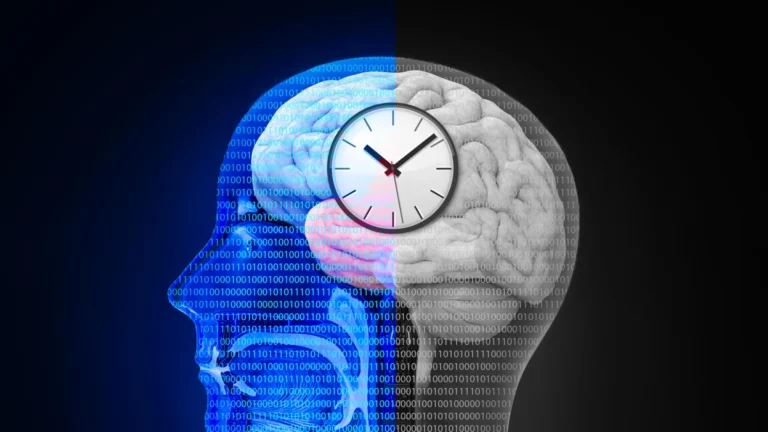
The intricate architecture of the brain, particularly the hippocampus, a region indispensable for the formation and retrieval of memories and the acquisition of new knowledge, undergoes significant transformations with the passage of time. Researchers at the University of California, San Francisco (UCSF) have recently identified a specific protein that appears to be a central mediator of this age-associated functional decline, shedding light on the molecular underpinnings of cognitive aging. This groundbreaking discovery not only elucidates a key mechanism driving brain aging but also presents a tangible target for potential interventions aimed at mitigating its detrimental effects.
Through a meticulous, longitudinal study involving a rodent model, the scientific team systematically analyzed the dynamic shifts occurring in the genetic and protein expression profiles within the hippocampus across different age groups. This comprehensive examination revealed a striking anomaly: one particular protein, subsequently designated FTL1, exhibited a consistent and pronounced elevation in older specimens compared to their younger counterparts. This correlative observation immediately positioned FTL1 as a prime suspect in the cascade of events leading to age-related hippocampal deterioration.
The heightened presence of FTL1 in the aging brain was not an isolated phenomenon; it was intricately linked to observable functional deficits. Older mice displaying elevated FTL1 levels also demonstrated a marked reduction in the density of synaptic connections – the critical junctions where neurons communicate with each other. Concurrently, these animals exhibited diminished performance on a battery of cognitive assessments designed to evaluate learning and memory capabilities, underscoring the protein’s detrimental impact on crucial neural processes.
To definitively establish the causal role of FTL1, the researchers embarked on a series of targeted experimental manipulations. In a pivotal experiment, they artificially elevated FTL1 levels in the hippocampi of young, healthy mice. The results were remarkably consistent with natural aging processes: the young brains began to exhibit structural and functional characteristics reminiscent of older brains. This induced aging phenotype was further corroborated by observable behavioral changes, indicating that increased FTL1 is sufficient to recapitulate aspects of cognitive decline.
Delving deeper into the cellular mechanisms, laboratory investigations provided a clearer picture of how FTL1 exerts its influence. When nerve cells were specifically engineered to overexpress FTL1, their intricate, tree-like dendritic structures, essential for receiving synaptic input and forming complex neural networks, became notably simplified. Instead of the elaborate branching patterns characteristic of healthy, functionally robust neurons, these FTL1-laden cells displayed short, rudimentary extensions, akin to a pruned or underdeveloped network. This morphological alteration directly impairs the capacity of neurons to form and maintain the vast array of connections necessary for efficient information processing and memory consolidation.
The most compelling and therapeutically significant discovery emerged from experiments designed to reverse the effects of FTL1. When researchers successfully reduced FTL1 levels in the hippocampi of aged mice, a remarkable restoration of cognitive function was observed. The animals displayed a notable increase in the number of synaptic connections between their neurons, a hallmark of a healthier, more plastic brain. Crucially, this neurobiological improvement translated into enhanced performance on memory tasks, suggesting a genuine reversal of age-related cognitive impairments. Dr. Saul Villeda, associate director of the UCSF Bakar Aging Research Institute and senior author of the study published in the esteemed journal Nature Aging, emphasized the profound nature of these findings, stating that the observed improvements were "much more than merely delaying or preventing symptoms," but rather a true amelioration of established deficits.
Further investigations uncovered a critical link between FTL1 and cellular energy metabolism within the brain. The experiments revealed that elevated FTL1 levels in older mice significantly slowed down the metabolic rate of hippocampal cells, essentially reducing their energy efficiency. This metabolic compromise can have far-reaching consequences for neuronal function, as brain cells are notoriously energy-intensive. However, this metabolic vulnerability also presented an opportunity for intervention. When these FTL1-affected cells were treated with a compound known to boost cellular metabolism, the detrimental effects of FTL1 were effectively counteracted, and neuronal function was preserved. This metabolic connection opens up another avenue for therapeutic exploration, potentially by targeting energy pathways to offset FTL1’s negative impact.
These multifaceted findings collectively paint a hopeful picture for the future of developing interventions against brain aging. Dr. Villeda expressed optimism that this research could serve as a foundation for novel therapeutic strategies that directly target FTL1 or its downstream effects. The ability to not only identify a key driver of age-related cognitive decline but also to demonstrate the potential for reversing these impairments offers a significant shift in the landscape of aging research. "We’re seeing more opportunities to alleviate the worst consequences of old age," Dr. Villeda remarked, highlighting a period of significant progress and potential for positive impact in the field of aging biology.
The comprehensive research effort involved a dedicated team of scientists from UCSF, including Dr. Laura Remesal, Dr. Juliana Sucharov-Costa, Dr. Karishma J.B. Pratt, Dr. Gregor Bieri, Dr. Amber Philp, Mason Phan, Dr. Turan Aghayev, Dr. Charles W. White III, Dr. Elizabeth G. Wheatley, Brandon R. Desousa, Isha H. Jian, Dr. Jason C. Maynard, and Dr. Alma L. Burlingame. The scientific endeavor was generously supported by funding from various esteemed organizations, including the Simons Foundation, Bakar Family Foundation, National Science Foundation, Hillblom Foundation, Bakar Aging Research Institute, Marc and Lynne Benioff, and the National Institutes of Health (grant numbers AG081038, AG067740, AG062357, and P30 DK063720). A complete list of authors and detailed funding information can be found within the published research paper.
About the Author