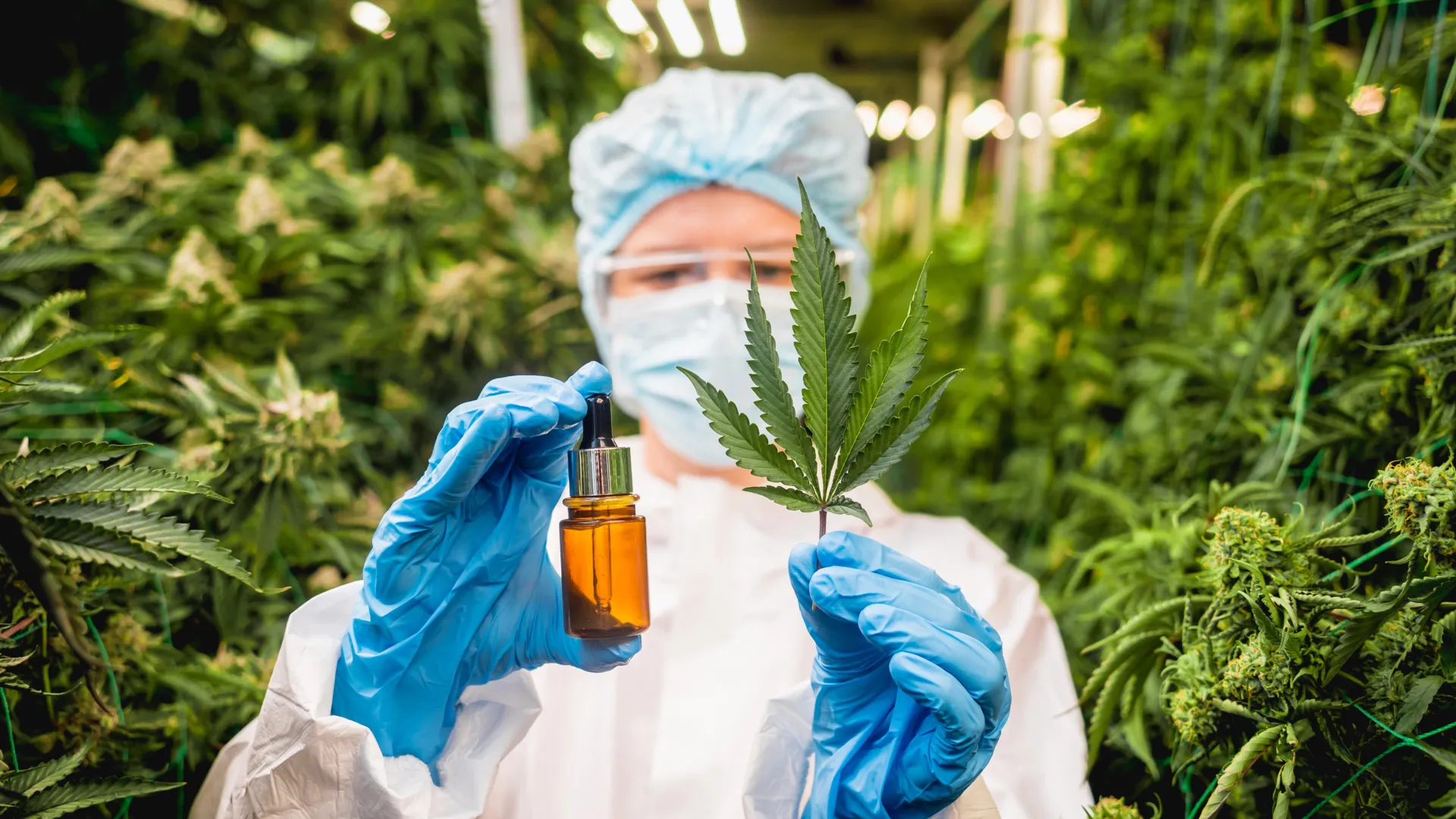
A significant breakthrough in metabolic health research has illuminated the therapeutic potential of two non-psychoactive cannabis compounds, cannabidiol (CBD) and cannabigerol (CBG), in addressing the global epidemic of fatty liver disease. Recent scientific investigations suggest these plant-derived molecules possess the remarkable ability to recalibrate the liver’s cellular machinery, fostering enhanced energy storage and improved waste removal, thereby offering a novel, plant-based strategy to combat the most prevalent chronic liver condition worldwide. This discovery opens new avenues for pharmacological intervention where current options remain notably limited.
Metabolic dysfunction-associated steatotic liver disease (MASLD), previously known as non-alcoholic fatty liver disease (NAFLD), represents a burgeoning public health crisis. Affecting an estimated one-third of the adult population globally, MASLD is characterized by excessive fat accumulation in the liver, often without significant alcohol consumption. This condition is intrinsically linked to a cluster of metabolic disorders, including obesity, type 2 diabetes, high blood pressure, and insulin resistance, forming what is commonly referred to as the metabolic syndrome. If left unmanaged, MASLD can progress to more severe forms of liver disease, such as steatohepatitis (MASH), fibrosis, cirrhosis, and even liver cancer, necessitating a transplant in advanced stages. Despite its widespread prevalence and serious health implications, medical science has yet to approve a dedicated pharmacological treatment for MASLD, leaving lifestyle modifications like dietary changes and increased physical activity as the primary, albeit often challenging to sustain, management strategies. The urgent need for effective therapeutic agents drives intense research efforts worldwide.
The pioneering study, originating from the esteemed School of Pharmacy at the Faculty of Medicine of the Hebrew University of Jerusalem, was spearheaded by a dedicated team including Professor Joseph (Yossi) Tam, Dr. Liad Hinden, and PhD student Radka Košťárová. Their meticulous research delved into the fundamental cellular mechanisms through which CBD and CBG exert their beneficial effects on liver health. Unlike tetrahydrocannabinol (THC), the primary psychoactive component of cannabis, CBD and CBG do not induce intoxicating effects, making them particularly attractive candidates for therapeutic development without the associated mind-altering properties. The team’s findings indicate that these cannabinoids do more than merely reduce visible fat deposits; they fundamentally restructure the liver’s metabolic processes, a phenomenon termed "metabolic remodeling."
One of the most striking revelations of the study concerns the liver’s energy management systems. The researchers observed that both CBD and CBG significantly boosted the levels of phosphocreatine within liver cells. Phosphocreatine functions as a crucial, rapidly accessible reservoir of high-energy phosphate, serving as an emergency fuel source that can be quickly converted to ATP (adenosine triphosphate), the primary energy currency of the cell. This backup system is particularly vital when cells face metabolic stress, such as that induced by a high-fat diet or insulin resistance, which can impair normal energy production. What makes this finding particularly noteworthy is that the liver typically does not rely heavily on the phosphocreatine-creatine kinase system for its primary energy needs. The activation and enhancement of this specific energy buffer by CBD and CBG suggest a unique adaptive mechanism, potentially safeguarding liver cells against energy deficits and maintaining their functional integrity even under adverse metabolic conditions.
Beyond bolstering energy reserves, the research uncovered another critical pathway through which CBD and CBG improve liver health: the restoration of cellular waste disposal mechanisms. Within every cell, tiny organelles called lysosomes act as the cellular recycling centers, responsible for breaking down and eliminating unwanted or damaged molecules, including harmful fats and proteins. Central to lysosomal function are enzymes known as cathepsins, which act as molecular scissors to degrade cellular debris. The study demonstrated that CBD and CBG effectively reactivate these cathepsin enzymes. When cathepsin activity is compromised, as often occurs in metabolic diseases, waste materials can accumulate, leading to cellular dysfunction, inflammation, and further damage. By restoring cathepsin activity, these cannabinoids empower liver cells to efficiently process and eliminate harmful lipid molecules. Specifically, the researchers noted a substantial reduction in damaging lipid species such as triglycerides and ceramides. Ceramides are particularly insidious, as their accumulation is strongly implicated in promoting insulin resistance and inflammation within the liver, further exacerbating MASLD progression. The improved cellular cleanup facilitated by CBD and CBG thus contributes directly to mitigating these detrimental processes.
While both CBD and CBG demonstrated clear beneficial effects on liver metabolism, the study also highlighted subtle yet significant differences in their therapeutic profiles. Both compounds proved effective in stabilizing blood sugar levels and enhancing the body’s overall glucose processing capabilities, which are crucial for managing metabolic syndrome components. However, CBG exhibited a more pronounced impact on several key metabolic markers. It was found to significantly reduce overall body fat mass, indicating a systemic effect beyond the liver itself. Furthermore, CBG demonstrated a stronger capacity to increase insulin sensitivity, a vital parameter for preventing and managing type 2 diabetes. Its superiority extended to lipid profiles, where it showed a more robust ability to lower total cholesterol and, importantly, levels of "bad" low-density lipoprotein (LDL) cholesterol, which is a major risk factor for cardiovascular disease. These differential effects suggest that while both cannabinoids hold promise, CBG might offer broader systemic metabolic advantages.
Commenting on these significant findings, Professor Joseph Tam underscored the innovative nature of their discovery: "Our findings identify a new mechanism by which CBD and CBG enhance hepatic energy and lysosomal function. This dual metabolic remodeling contributes to improved liver lipid handling and highlights these compounds as promising therapeutic agents for MASLD." His statement emphasizes the multifaceted action of these cannabinoids, targeting both energy metabolism and cellular detoxification pathways, which collectively contribute to a healthier liver environment.
Despite the highly encouraging results derived from these preclinical investigations, the research team emphasizes the critical necessity for further studies. Translating these findings into viable human treatments requires rigorous clinical trials to ascertain the compounds’ efficacy, safety profile, optimal dosages, and long-term effects in human patients suffering from MASLD. Such comprehensive research will be instrumental in determining whether CBD and CBG, or derivatives thereof, can ultimately be developed into approved pharmacological therapies.
Nonetheless, this research marks a pivotal moment in metabolic disease inquiry. By identifying plant-derived compounds that can intricately modulate cellular energy storage and waste clearance systems, scientists are uncovering entirely new paradigms for therapeutic development. The potential for non-intoxicating cannabis compounds like CBD and CBG to offer effective, accessible treatments for widespread conditions such as fatty liver disease and its associated metabolic disorders represents a beacon of hope for millions globally, heralding a new era in natural product pharmacology. As the scientific community continues to explore the complex interactions between cannabinoids and human physiology, the prospect of harnessing these ancient plants for modern medical challenges grows increasingly tangible.
About the Author