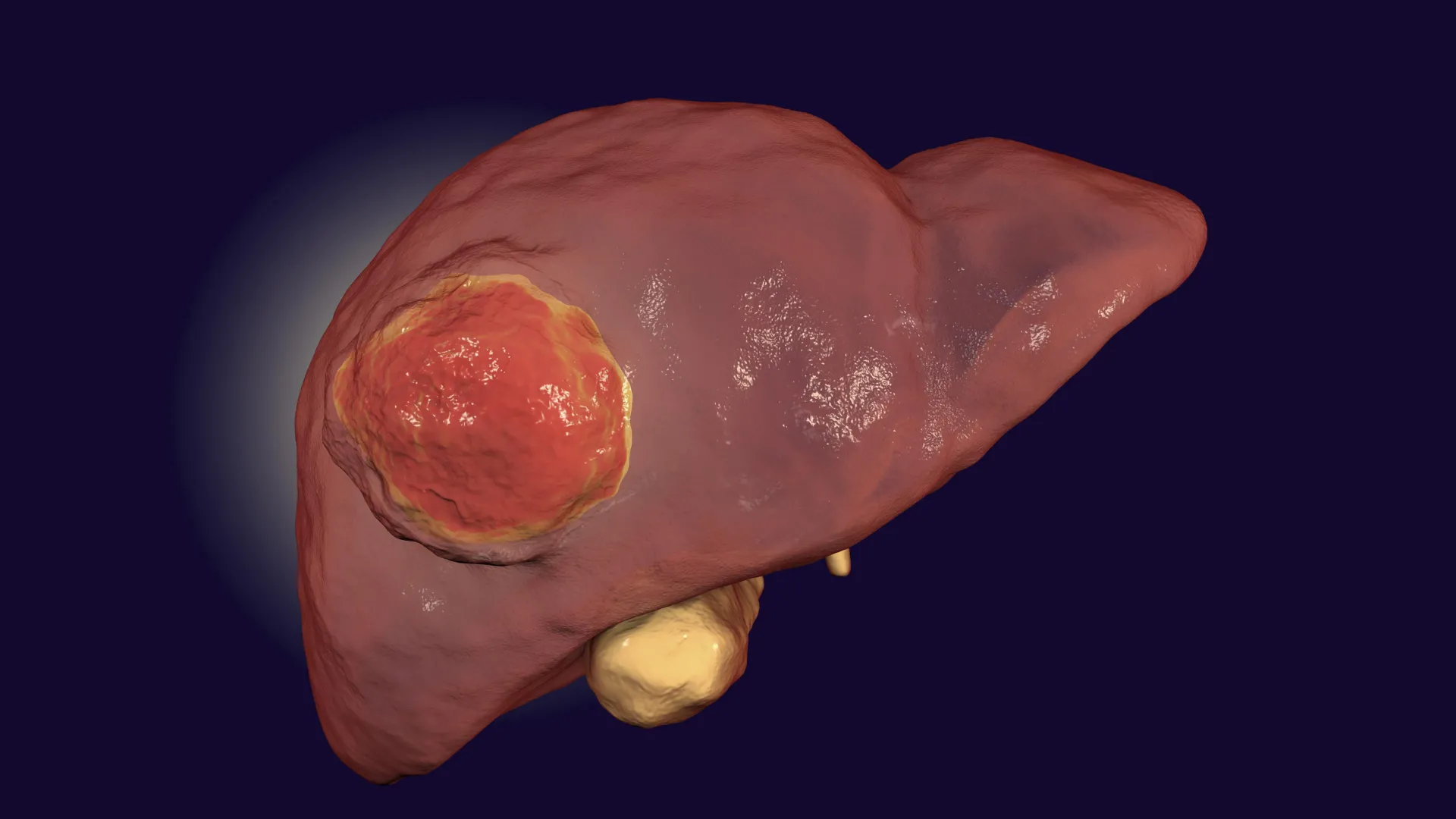
A groundbreaking investigation has illuminated a potential dietary intervention for individuals grappling with compromised liver function, suggesting that a reduction in protein consumption could significantly impede the development or advancement of liver cancer. This novel research, spearheaded by scientists at Rutgers University and published in the esteemed journal Science Advances, has demonstrated in preclinical models that restricting dietary protein intake leads to a tangible deceleration of liver tumor growth and a reduction in cancer-associated mortality. The study’s revelations offer critical insights into how a liver struggling with metabolic waste processing can inadvertently foster an environment conducive to cancerous proliferation.
Liver cancer stands as one of the most formidable primary malignancies in the United States, characterized by a grim five-year survival rate hovering around 22%. Projections from the American Cancer Society indicated an anticipated 42,240 new diagnoses and 30,090 fatalities in 2025 alone, underscoring the pervasive and devastating impact of this disease. Beyond overt cancer diagnoses, a substantial segment of the population lives with underlying liver conditions that serve as potent precursors to malignancy. Astonishingly, approximately one in four adults in the U.S. contend with fatty liver disease, a condition, alongside viral hepatitis and excessive alcohol consumption, that can precipitate cirrhosis and markedly elevate the risk of developing hepatocellular carcinoma.
Dr. Wei-Xing Zong, the senior author of the study and a distinguished professor at the Rutgers Ernest Mario School of Pharmacy, as well as a key member of the Cancer Metabolism and Immunology Program at Rutgers Cancer Institute, emphasized the clinical relevance of these findings. He stated, "For individuals experiencing impaired liver function due to disease or damage, a careful consideration of reducing protein intake warrants serious attention as a strategy to mitigate the risk of liver cancer."
The intricate metabolic pathway by which protein breakdown can contribute to cancer growth centers on the generation of ammonia. When the body metabolizes protein, nitrogen is released, which is then converted into ammonia, a substance inherently toxic to both the brain and the broader physiological system. Under normal circumstances, a healthy liver possesses a sophisticated mechanism to neutralize this toxicity by transforming ammonia into urea, a far less harmful compound that is subsequently excreted from the body via urine.
A long-standing clinical observation has noted that the liver’s capacity to manage ammonia is frequently compromised in patients diagnosed with liver cancer. However, a crucial unanswered question persisted: whether this functional deficit and the resultant ammonia accumulation were a mere consequence of the cancerous process or, more alarmingly, a driving force behind tumor expansion. The Rutgers study was designed to definitively address this critical query.
To rigorously investigate the role of ammonia buildup in fostering cancer, Dr. Zong and his team embarked on a series of carefully controlled experiments utilizing a mouse model. Initially, they established liver tumors in the animals while ensuring their ammonia processing systems remained fully functional. Subsequently, employing advanced gene-editing technologies, the researchers systematically deactivated key enzymes essential for ammonia metabolism in a subset of the mice. Another group of mice retained their normal ammonia processing capabilities for comparative analysis. The scientists then meticulously tracked and contrasted tumor progression and survival rates between these two distinct cohorts.
The disparity observed was stark and compelling. Mice incapable of efficiently processing ammonia exhibited a significant accumulation of this toxic byproduct. These animals subsequently developed more substantial tumor burdens and experienced a dramatically shortened lifespan compared to their counterparts with intact ammonia handling systems. Further in-depth molecular analyses elucidated the fate of this excess ammonia. The research team discovered that the ammonia was being actively incorporated into the very building blocks that cancer cells depend upon for their rapid growth and proliferation. As Dr. Zong explained, "The ammonia is channeled into the synthesis of amino acids and nucleotides, both of which are indispensable for tumor cell replication and expansion."
Armed with the understanding of this critical metabolic nexus, the research team then pivoted to exploring a practical, dietary-based intervention aimed at curbing ammonia accumulation. Their hypothesis centered on the idea that by limiting the dietary supply of nitrogen, the precursor to ammonia, they could effectively reduce its overall levels within the body. To test this, they implemented a low-protein diet regimen for a group of mice.
The results of this dietary intervention were remarkably potent. Mice subjected to the low-protein diet demonstrated a pronounced and statistically significant attenuation in tumor growth rates. Furthermore, these animals exhibited a considerably extended survival period when contrasted with the control group that consumed a standard protein diet. This finding carries significant implications, particularly for individuals with pre-existing liver conditions. While a high-protein diet typically poses no threat to individuals with healthy livers, owing to their efficient ammonia detoxification capabilities, the same cannot be said for those whose livers are compromised. For these individuals, the findings suggest that reducing protein intake could be a valuable strategy in managing their cancer risk.
However, experts universally underscore the paramount importance of consulting with healthcare professionals before implementing any significant dietary modifications, especially for individuals managing chronic health conditions or undergoing cancer treatment. Established cancer treatment protocols often advocate for increased protein intake to help patients preserve muscle mass and maintain strength throughout therapeutic regimens. Dr. Zong reiterated this cautionary note, emphasizing that the optimal dietary approach is highly individualized and contingent upon a patient’s specific medical profile and the precise status of their liver function. For those patients whose bodies struggle with ammonia elimination, a carefully managed reduction in protein consumption could indeed offer a significant therapeutic advantage. "Reducing protein consumption may represent the most accessible and straightforward method for lowering ammonia levels," Dr. Zong concluded.
About the Author