A pioneering scientific investigation, conducted by researchers at APC Microbiome Ireland, a distinguished research hub situated within University College Cork, has significantly advanced our comprehension of coffee’s multifaceted physiological effects. For the first time, this study meticulously charted the intricate interplay between coffee consumption and the gut-brain axis—the vital communication highway connecting the digestive system with the central nervous system. This groundbreaking research offers unprecedented insights into how regular intake of both caffeinated and decaffeinated coffee can profoundly influence the composition of the gut microbiome, thereby impacting psychological states such as mood and stress levels.
Published in the esteemed journal Nature Communications and receiving support from the Institute for Scientific Information on Coffee (ISIC), the findings underscore the pervasive influence of a daily coffee ritual on human health, moving beyond its well-known stimulant properties. The scientific community has long acknowledged coffee’s association with enhanced digestive comfort and mental well-being, yet the precise biological mechanisms underpinning these observations have largely remained elusive. This study directly addressed this knowledge gap by focusing on the microbiota-gut-brain axis, a complex bidirectional signaling network where gut microbes and their metabolic byproducts actively communicate with the brain, influencing everything from emotion to cognition. The researchers employed an exhaustive suite of biological and psychological metrics to decode these interactions.
To systematically unravel these complex relationships, the research team designed a comprehensive study comparing two distinct groups: thirty-one individuals who were habitual coffee drinkers and an equal number of participants who typically abstained from coffee. The "coffee drinkers" cohort was precisely defined as those consuming between three and five cups daily, a quantity aligned with the European Food Safety Authority’s (EFSA) guidelines for moderate and safe daily intake. All participants underwent a series of rigorous psychological evaluations, meticulously documented their dietary habits and caffeine consumption, and provided biological samples—specifically stool and urine—for detailed analysis. These samples allowed scientists to track alterations in gut bacterial populations and the associated changes in emotional states.
The experimental design incorporated a crucial initial phase: the habitual coffee drinkers ceased their coffee consumption for a period of two weeks. Throughout this abstinence phase, researchers continued to collect biological specimens and monitor the mental health parameters of these participants. This temporary withdrawal from coffee precipitated discernible shifts in the metabolic profiles generated by their gut microbiota, creating a clear biochemical divergence when compared to the non-coffee-drinking control group. This observation provided a compelling baseline, demonstrating that even a brief interruption of coffee intake could significantly alter the gut’s microbial landscape and its metabolic output.
Following this two-week abstinence, coffee was carefully reintroduced to the former coffee drinkers, but with a crucial blind. Participants were unaware whether they were receiving caffeinated or decaffeinated coffee. Half of the group consumed decaffeinated coffee, while the other half received regular caffeinated beverages. Intriguingly, both groups reported significant improvements in their mood. This included a noticeable reduction in perceived stress, diminished symptoms of depression, and a decrease in impulsivity. These congruent findings suggested that coffee’s mood-enhancing properties extend beyond the stimulatory effects of caffeine, implicating other bioactive compounds inherent in the coffee bean.
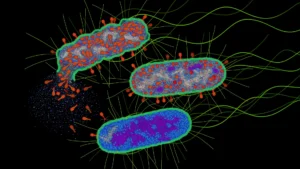
A pivotal aspect of the study involved identifying specific microbial populations that were more prevalent in individuals who regularly consumed coffee. The analysis revealed elevated levels of certain bacterial species, namely Eggertella sp and Cryptobacterium curtum, within the gut microbiomes of habitual coffee drinkers. These particular microorganisms are thought to play crucial roles in several physiological processes. Eggertella sp, for instance, is often associated with the production of various acids within the digestive tract, contributing to gut environment modulation. Cryptobacterium curtum, on the other hand, is implicated in bile acid synthesis, a process vital for fat digestion and absorption, and which also contributes to the gut’s defense mechanisms against potentially harmful pathogens and infections. Furthermore, the study observed an increase in the abundance of bacteria belonging to the phylum Firmicutes. This group of bacteria has been previously correlated with positive emotional states, particularly in female populations, adding another layer to the complex picture of gut-brain interactions. The collective metabolic activities of these specific microbes, influenced by coffee, likely contribute to the observed health benefits.
The research also delineated fascinating distinctions in the effects of decaffeinated versus caffeinated coffee on cognitive functions. Notably, improvements in learning capacity and memory recall were exclusively observed in participants who consumed decaffeinated coffee. This particular finding strongly suggests that non-caffeine compounds, such as polyphenols and other antioxidants abundantly present in coffee, are likely responsible for these specific cognitive enhancements. Polyphenols are powerful plant compounds known for their antioxidant and anti-inflammatory properties, and their ability to cross the blood-brain barrier positions them as strong candidates for neuroprotective effects.
Conversely, caffeinated coffee demonstrated its own unique set of advantages. Only those participants consuming caffeinated coffee experienced a reduction in anxiety levels, alongside marked improvements in attention span and overall alertness. This underscores caffeine’s well-established psychostimulant effects on the central nervous system. Additionally, caffeine consumption was inversely correlated with markers of inflammation, suggesting a potential anti-inflammatory benefit. These distinct outcomes highlight that coffee, in its various forms, delivers a spectrum of physiological benefits mediated by different constituent compounds.
Professor John Cryan, a Principal Investigator at APC Microbiome Ireland, University College Cork, and the corresponding author of this seminal study, provided insightful commentary on the broader implications of their discoveries. "There has been an exponential surge in public awareness and scientific interest concerning gut health," Professor Cryan explained. "Simultaneously, the intricate relationship between digestive wellness and mental health is becoming increasingly clear. However, the precise mechanisms by which coffee exerts its effects on this pivotal gut-brain axis have remained largely obscure until now."
Professor Cryan further elaborated, "Our findings illuminate both the microbiological and neurological responses triggered by coffee consumption, hinting at significant long-term benefits for fostering a healthier, more balanced microbiome. Coffee appears to profoundly modify the collective functions of gut microbes and the specific metabolites they produce and utilize. As individuals increasingly consider dietary modifications to optimize their digestive equilibrium, coffee emerges as a promising additional intervention that can be strategically integrated into a healthy, balanced diet."
He concluded by emphasizing the multifaceted nature of coffee: "Coffee is far more than just a source of caffeine; it represents a complex dietary factor that engages in dynamic interactions with our gut microbiota, influences our metabolic processes, and even shapes our emotional well-being. Our research strongly indicates that coffee, whether consumed in its caffeinated or decaffeinated form, possesses the capacity to influence human health in distinct yet complementary ways, offering a diverse array of benefits that warrant further exploration." This comprehensive study paves the way for a deeper understanding of dietary interventions in modulating gut health and neurocognitive function, offering new perspectives on the daily ritual of coffee drinking.
About the Author