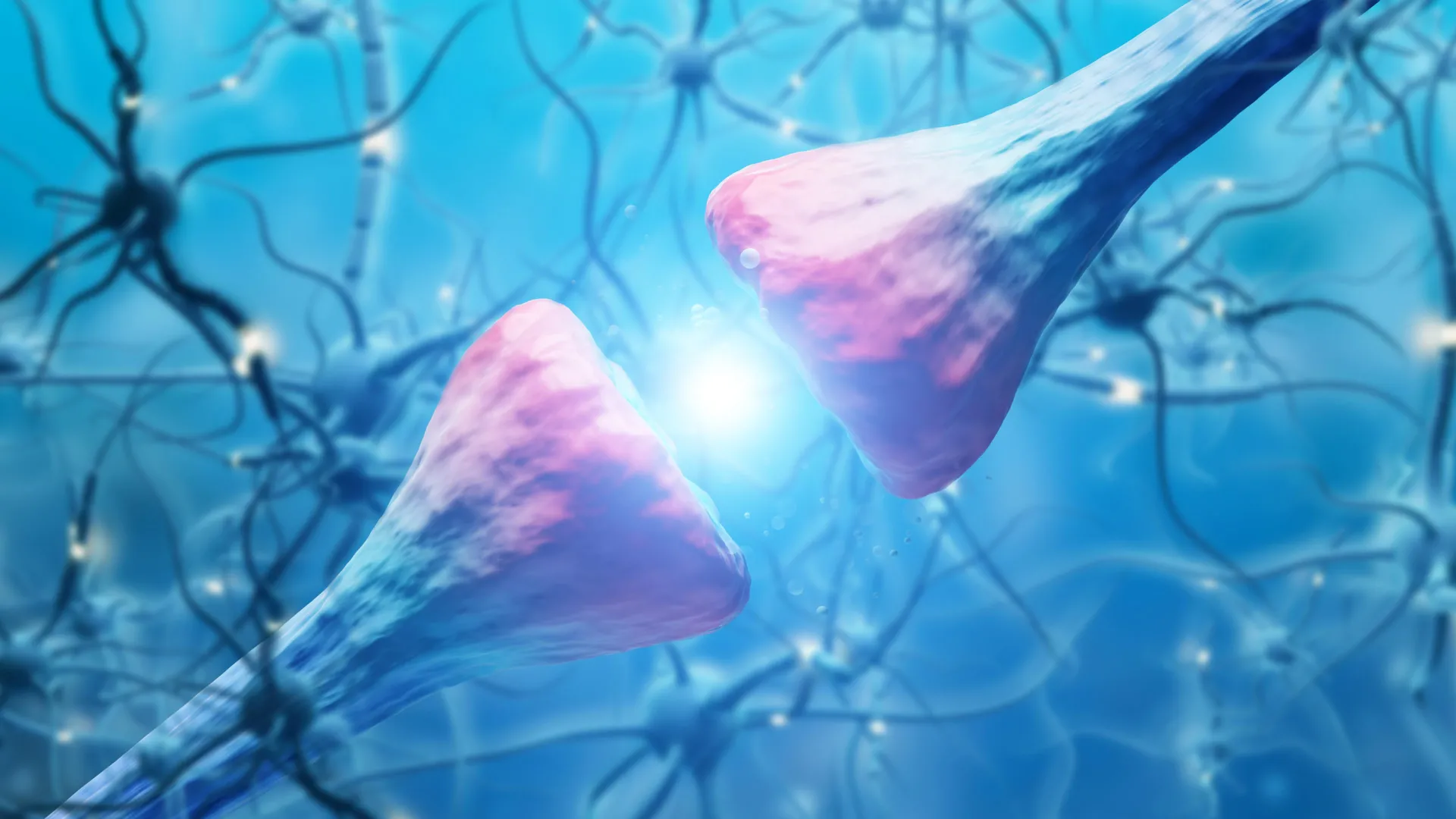
The persistent struggle to abstain from cocaine, often misattributed to a simple deficit in willpower, is now understood to be deeply rooted in profound and enduring alterations within the brain’s intricate architecture. Groundbreaking scientific inquiry has illuminated how the chronic consumption of cocaine reshapes neural pathways, fostering a compelling and exceedingly difficult-to-resist impetus to resume drug use. This complex biological phenomenon underscores the multifaceted nature of addiction, moving beyond behavioral explanations to encompass significant physiological adaptations.
At the forefront of this scientific advancement is research emanating from Michigan State University, which has pinpointed a critical mechanism by which cocaine fundamentally modifies the functioning of the hippocampus. This vital brain region, a cornerstone of memory formation and the processes of learning, plays a pivotal role in how individuals recall past experiences, including those associated with drug use. The findings, generously supported by the National Institutes of Health and prominently featured in the esteemed journal Science Advances, offer substantial clarity on the intractable challenge of treating cocaine addiction. Furthermore, this research heralds a promising horizon for the development of novel therapeutic interventions designed to mitigate the powerful forces driving relapse.
A.J. Robison, a distinguished professor of neuroscience and physiology and the senior author of the study, emphasized the critical need to view addiction through a medical lens, asserting, "Addiction is a disease in the same sense as cancer." This perspective underscores the urgency in pursuing more effective treatments and providing comprehensive support for individuals grappling with addiction, drawing a parallel to the ongoing global effort to find cures for devastating diseases like cancer.
The insidious grip of cocaine addiction affects a significant portion of the population, with at least one million individuals in the United States alone contending with this disorder. Despite its widespread prevalence, there remains a notable absence of any medication specifically approved by the Food and Drug Administration (FDA) for its treatment. Unlike certain other substance use disorders, such as those involving opioids, the cessation of cocaine use typically does not precipitate severe, physically debilitating withdrawal symptoms. Nevertheless, the act of achieving and maintaining abstinence from cocaine remains an exceptionally arduous undertaking.
The underlying reason for this profound difficulty lies in the drug’s potent neurobiological effects. Cocaine exerts its influence by drastically elevating the levels of dopamine, a neurotransmitter intrinsically linked to feelings of pleasure, reward, and motivation, within the brain’s reward circuitry. This overwhelming surge of dopamine creates an exceptionally powerful positive reinforcement signal, leading the brain to erroneously interpret cocaine consumption as a beneficial and desirable activity, rather than a profoundly harmful one. Consequently, even after an individual has successfully ceased using cocaine, the propensity for relapse remains alarmingly high. Statistics indicate that a substantial percentage, approximately 24%, of individuals resume weekly cocaine use, while an additional 18% seek re-enrollment in treatment programs within a one-year period, highlighting the persistent challenge of sustained recovery.
The pivotal factor contributing to this enduring compulsion has been identified by Andrew Eagle, the study’s lead author and a former postdoctoral researcher within Robison’s laboratory, as a specific protein designated DeltaFosB. This molecule has emerged as a crucial determinant in the persistent drive to seek and use cocaine.
To meticulously investigate the intricate role of DeltaFosB, Eagle employed a sophisticated and highly specialized application of CRISPR gene-editing technology. This innovative approach enabled researchers to precisely examine how DeltaFosB influences particular neural circuits when mice were exposed to cocaine. The experimental paradigms utilizing mouse models yielded compelling insights, revealing that DeltaFosB functions akin to a biological switch, orchestrating the activation or suppression of specific genes within the critical circuit connecting the brain’s reward center to the hippocampus. This interconnected pathway is fundamental to the brain’s memory processing capabilities. With continued exposure to cocaine, the protein demonstrably accumulates within this circuit. As its concentration progressively increases, it instigates significant changes in neuronal activity and fundamentally alters the circuit’s responsiveness to the drug’s presence.
"This protein isn’t just associated with these changes, it is necessary for them," Eagle underscored, emphasizing the protein’s indispensable role. "Without it, cocaine does not produce the same changes in brain activity or the same strong drive to seek out the drug." This statement firmly establishes DeltaFosB not merely as a correlative marker but as a causative agent in the development of cocaine-seeking behaviors.
Further investigations by the research team have successfully identified additional genes that are subject to regulation by DeltaFosB following prolonged cocaine exposure. Among these identified genes is calreticulin, a protein that plays a significant role in modulating the intricate communication processes between neurons.
The experiments conducted demonstrated that elevated levels of calreticulin serve to amplify activity within neural pathways that actively promote and reinforce the compulsive seeking of cocaine. This biochemical cascade effectively accelerates the brain’s inherent mechanisms that solidify and perpetuate the cycle of addiction.
While the foundational research was conducted using animal models, the findings hold considerable potential applicability to human physiology, given the substantial overlap in shared genes and neural circuits between mice and humans. This biological commonality provides a strong rationale for translating these discoveries into potential human therapeutics.
In the immediate future, Robison’s research group is forging collaborative partnerships with investigators at the University of Texas Medical Branch in Galveston, Texas. Their joint endeavor is focused on the ambitious goal of developing novel chemical compounds designed to specifically target DeltaFosB. This critical research initiative is bolstered by a significant grant from the National Institute on Drug Abuse, which is facilitating the creation and rigorous testing of molecules with the capacity to modulate how DeltaFosB interacts with DNA, thereby influencing gene expression.
"If we could find the right kind of compound that works in the right way, that could potentially be a treatment for cocaine addiction," Robison articulated, acknowledging the long-term nature of such ambitious scientific pursuits. "That’s years away, but that’s the long-term goal." This statement encapsulates the cautious optimism and the strategic, forward-looking approach guiding the development of potential therapeutic strategies.
The subsequent phase of this research endeavors to explore the influence of hormonal factors on these critical brain circuits. Furthermore, the team intends to investigate whether the effects of cocaine manifest differently in the brains of male and female individuals. Comprehending these potential sex-based differences in addiction vulnerability and progression could provide invaluable insights into why addiction risks can sometimes diverge between genders. Ultimately, this deeper understanding may pave the way for the development of more personalized and thus more effective treatment approaches tailored to the unique biological profiles of individuals.
About the Author