Neuro-Immune Cell Reprogramming Emerges as Novel Strategy Against Alzheimer’s Pathology
A groundbreaking scientific endeavor, spearheaded by collaborative teams from Spain and Switzerland, has unveiled an experimental molecular agent with the potential to revitalize the brain’s intrinsic protective mechanisms against the debilitating effects of Alzheimer’s disease. This investigational compound, designated OLE, has demonstrated an ability to effectively "reprogram" microglia, the specialized immune cells residing within the central nervous system, thereby enabling them to reclaim a significant portion of their neuroprotective capacities. The foundational research, a testament to international scientific cooperation, was meticulously orchestrated by José Vicente Sánchez Mut from the Institute for Neurosciences (IN), a prestigious joint venture between the Spanish National Research Council (CSIC) and Miguel Hernández University of Elche (UMH), in conjunction with Johannes Gräff of the École Polytechnique Fédérale de Lausanne (EPFL). Their seminal discoveries, meticulously detailed and peer-reviewed, were formally published in the esteemed scientific journal Cell Death and Disease, marking a significant milestone in the ongoing quest to understand and combat neurodegenerative disorders.
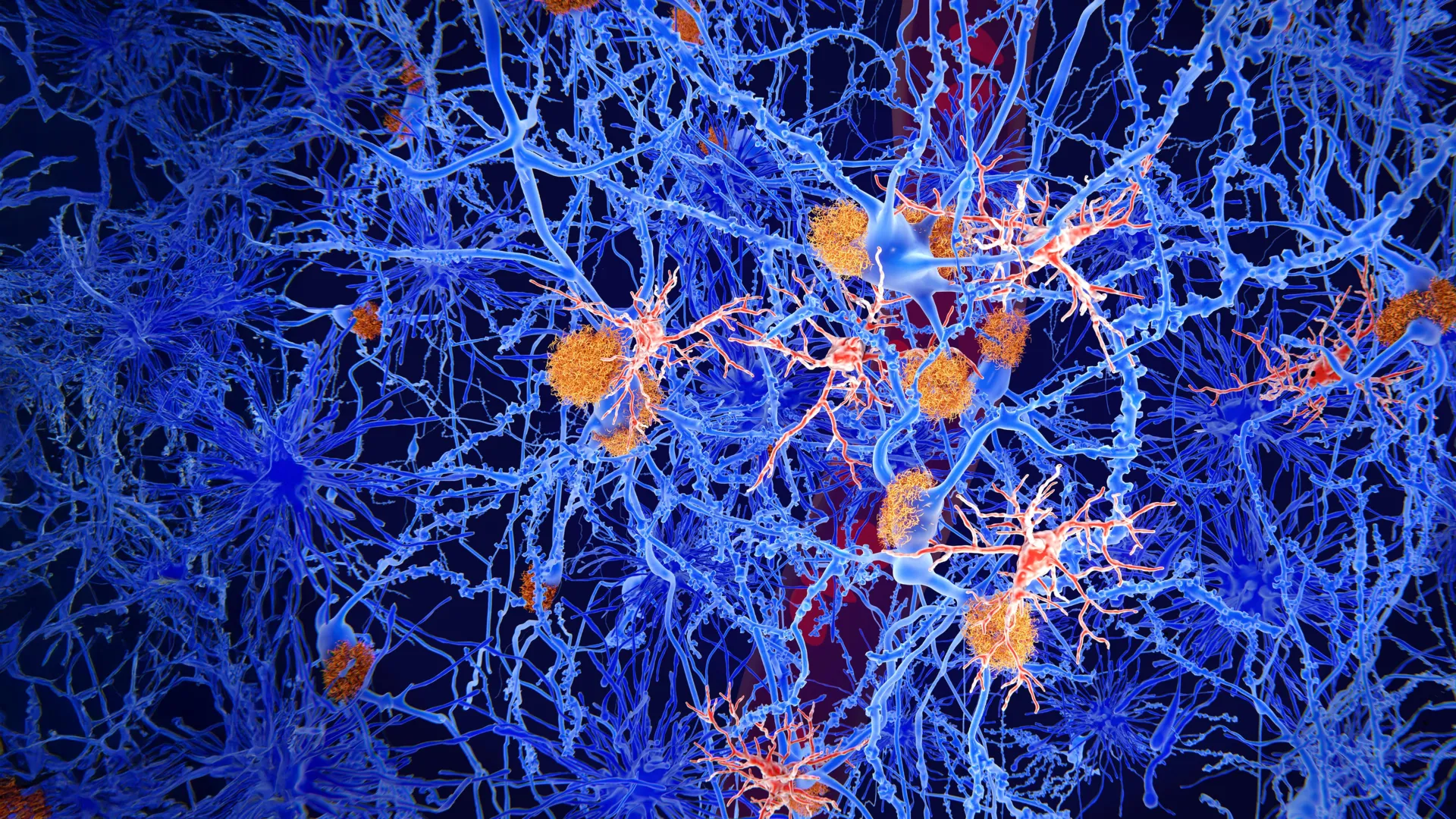
Central to the pathology of Alzheimer’s disease is the aberrant accumulation of beta-amyloid plaques, protein aggregates that form in the brain and are widely considered a primary driver of neuronal dysfunction and loss. Simultaneously, the brain’s resident immune cells, microglia, which are evolutionarily designed to survey the neural environment, clear cellular debris, and respond to pathological insults, exhibit a marked decline in their efficacy. In the context of Alzheimer’s, these vital cells often become dysfunctional, failing to adequately clear the burgeoning beta-amyloid deposits. This impairment can paradoxically lead to chronic neuroinflammation and exacerbate the damage to surrounding brain tissue, creating a vicious cycle of degeneration. The investigational molecule OLE, derived from the genetic blueprint of the PM20D1 gene, offers a compelling counter-narrative to this destructive cascade. Research findings indicate that OLE possesses the remarkable capacity to transition microglia from a state of compromised function back towards a more robust, protective phenotype. Upon administration of OLE, treated microglia were observed to actively migrate towards the beta-amyloid plaques, enveloping them and forming a physical barrier. This strategic containment effectively reduced both the physical aggregation of the plaques and, crucially, mitigated their toxic interactions with vulnerable neurons, thereby preserving neural integrity.
"One of the most profoundly significant revelations from our investigation is the identification of a specific molecule capable of reinstating the inherent protective functions of microglia," elucidated José Vicente Sánchez Mut, who spearheads the Functional Epi-Genomics of Aging and Alzheimer’s Disease laboratory at the IN CSIC-UMH. "Within the pathological landscape of Alzheimer’s disease, these critical immune cells experience progressive functional deterioration. Our experimental results strongly suggest that this debilitating process is not irreversible, opening up entirely new therapeutic paradigms and research trajectories aimed at confronting and ultimately counteracting the relentless progression of this devastating disease," he added, underscoring the transformative potential of their findings.
To rigorously assess the therapeutic efficacy and mechanistic insights of OLE, the research consortium employed a multi-pronged experimental approach, utilizing a spectrum of model systems designed to recapitulate various facets of Alzheimer’s disease pathology. The initial phase of their evaluation involved genetically engineered nematode worms, specifically C. elegans, which were modified to produce beta-amyloid protein. These microscopic organisms, due to their rapid developmental cycles and susceptibility to disease-related damage, serve as an invaluable and efficient model for studying protein aggregation toxicity. Treatment with OLE in these engineered worms resulted in a demonstrable reduction in the accumulation of harmful protein aggregates and a significant improvement in their motor coordination, providing early evidence of the compound’s protective influence.
Building upon these promising initial findings, the research team advanced their investigations to more complex mammalian models, specifically employing genetically modified mice that exhibit Alzheimer’s-like neuropathology. In these rodent subjects, a sustained three-month regimen of OLE administration was implemented. Subsequent to the treatment period, comprehensive assessments were conducted to evaluate both cognitive function, particularly memory recall, and observable changes within the brain’s microstructure. The outcomes were highly encouraging: the mice that received OLE treatment exhibited superior performance in a battery of memory-based tests compared to their untreated counterparts. Furthermore, histological examination of their brain tissue revealed a marked reduction in the burden of beta-amyloid plaques, reinforcing the compound’s capacity to attenuate key pathological hallmarks of the disease.
A critical component of the research involved delving deeper into the cellular mechanisms by which OLE exerts its beneficial effects. To achieve this, the scientists undertook sophisticated single-cell analyses, meticulously examining the molecular activity of thousands of individual cells harvested from the brains of treated and control subjects. This granular level of examination unequivocally pinpointed microglia as the cell type exhibiting the most pronounced and robust response to OLE treatment. Following exposure to the compound, microglia displayed a significant upregulation of intracellular pathways intrinsically linked to the clearance of beta-amyloid. Moreover, their migratory capabilities were notably enhanced, enabling them to effectively navigate towards areas of plaque deposition and subsequently contain them, thereby limiting their pathological spread.
Victoria Pozzi, the lead author of the study, elaborated on the significance of these cellular-level findings: "Our single-cell analysis was instrumental in definitively identifying microglia as the cellular players most profoundly influenced by the OLE treatment," she stated. "This revelation allowed us to observe firsthand how the compound facilitates these cells’ directed movement towards beta-amyloid deposits and enhances their ability to sequester the damage associated with the disease," Pozzi added, highlighting the precision and clarity gained from their experimental design.
Complementary experiments conducted in controlled laboratory settings using cultured cells further corroborated these observations. In these in-vitro studies, microglia that were treated with OLE demonstrated a markedly increased proficiency in migrating towards beta-amyloid aggregates and actively participating in their removal. In parallel, separate neuronal cultures subjected to experimental conditions designed to mimic the toxic milieu characteristic of Alzheimer’s disease showed improved cellular survival rates when exposed to OLE, suggesting that the compound may also possess direct neuroprotective properties, shielding neurons from the ravages of the disease.
The groundbreaking nature of these findings has not gone unnoticed by the scientific and pharmaceutical communities, with the intellectual property surrounding the discovery being secured through two European patents, one of which is held by the CSIC. This patent protection significantly bolsters the translational potential of the research, providing a robust foundation for future endeavors aimed at developing clinically viable therapeutic applications derived from this novel discovery. The ambitious scope of this research was supported by a consortium of esteemed funding bodies, including the Dementia Research Switzerland — Synapsis Foundation, the Pasqual Maragall Researchers Programme (PMRP) of the Pasqual Maragall Foundation, the Spanish Ministry of Science, Innovation and Universities, the Severo Ochoa Centres of Excellence programme of the State Research Agency (AEI), the Prometeo program of the Generalitat Valenciana, the European Regional Development Fund (ERDF), and the CSIC Interdisciplinary Thematic Platform PTI+ NEURO-AGING. Further invaluable financial and institutional support was generously provided by the Swiss National Science Foundation, the École Polytechnique Fédérale de Lausanne (EPFL), the European Research Council (ERC), the National Research Foundation of Korea (NRF), and the European Social Fund (ESF+), underscoring the international recognition and collaborative spirit driving this pivotal scientific advancement.
Related posts:

Related News