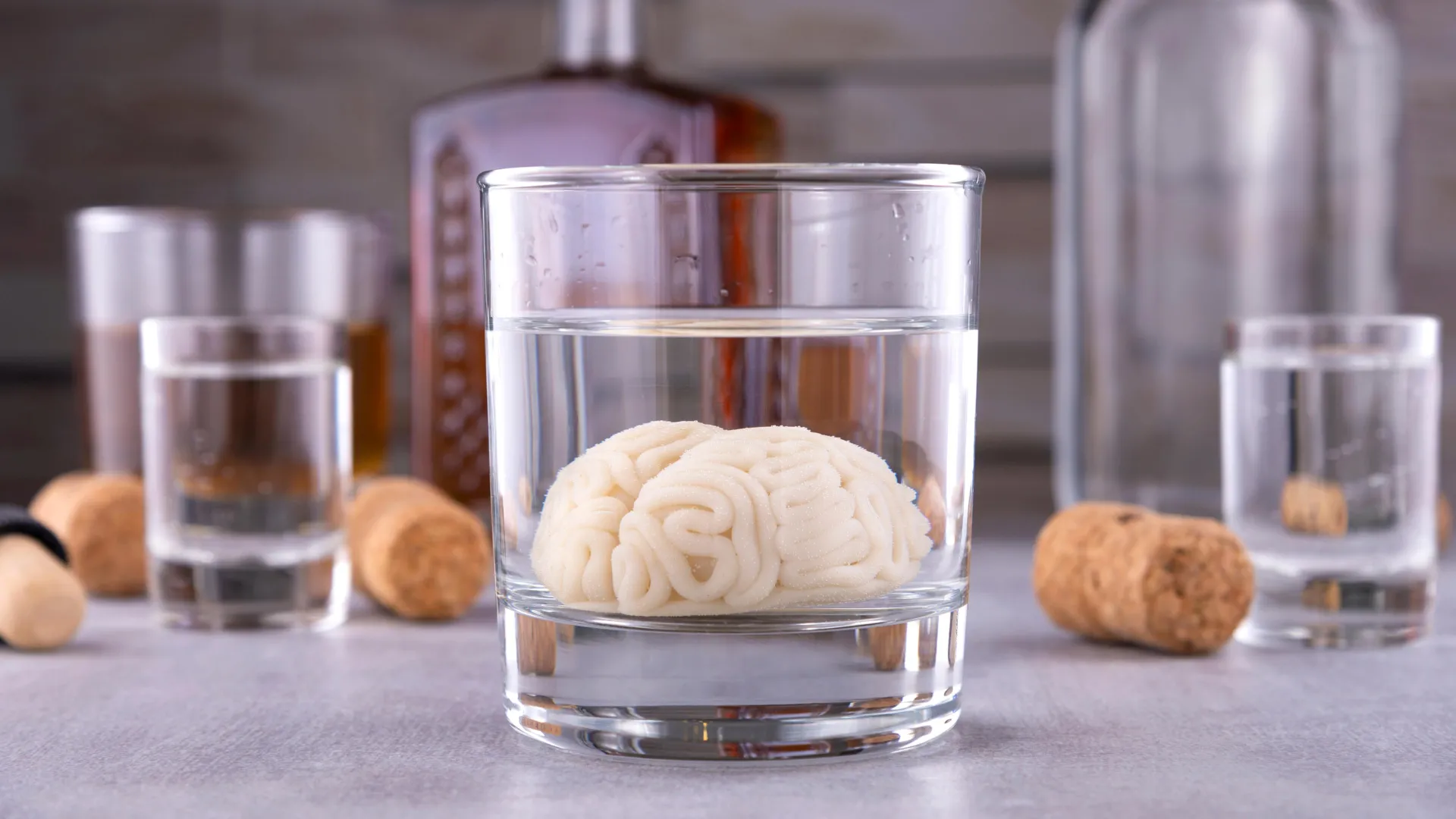
Alcohol Use Disorder (AUD) represents a formidable global health challenge, affecting millions and carrying a heavy burden of morbidity and mortality. While abstinence is widely recognized as a cornerstone of recovery, leading to substantial improvements in physical and mental health, emerging research suggests a complex and somewhat paradoxical relationship between sobriety and the brain’s susceptibility to relapse. A recent groundbreaking study has delved into the neurobiological underpinnings of this phenomenon, revealing that specific brain alterations occurring during periods of abstinence may, counterintuitively, prime an individual for a heightened risk of returning to alcohol consumption, even in the face of adverse consequences. This discovery not only sheds new light on the intricate mechanisms of addiction but also opens promising avenues for identifying individuals at risk and developing more targeted therapeutic interventions.
The prevailing understanding in addiction science has long acknowledged that sustained periods without alcohol can trigger neuroadaptive changes. However, the precise nature of these changes and their direct contribution to relapse vulnerability remained an area of intensive investigation. Researchers embarked on a comprehensive study utilizing a sophisticated animal model to meticulously observe behavioral and neural responses following prolonged alcohol exposure and subsequent withdrawal. The objective was to test the hypothesis that the very act of abstaining might inadvertently recalibrate the brain, rendering it more sensitive to relapse cues and increasing the compulsion to drink.
To achieve this, the research team provided a cohort of laboratory mice with long-term, voluntary access to alcohol, allowing them to establish drinking patterns over an extended period. Following this initial phase, the mice were subjected to a period of enforced abstinence, mimicking the human experience of withdrawal and sobriety. After this period, the scientists introduced a crucial test designed to gauge the mice’s compulsion to drink: they added quinine, an intensely bitter substance, to the alcohol solution. This created an "aversion-resistant" paradigm, where the mice had to choose between the unpleasant taste of quinine and their desire for alcohol. The results were stark and revelatory: a distinct subgroup of the abstinent mice began consuming the bitter alcohol in significantly larger quantities compared to those that had not undergone forced abstinence. This behavioral shift indicated a profound increase in the motivational drive for alcohol, overriding the natural aversion to the bitter taste—a critical hallmark of compulsive drinking often observed in human AUD.
This observed behavioral escalation underscored the potential for physiological challenges associated with sobriety to contribute directly to relapse in AUD. To unravel the neural underpinnings of this heightened vulnerability, the researchers turned their attention to a specific brain region known as the bed nucleus of the stria terminalis, or BNST. This small but critically important structure is deeply embedded within the brain’s extended amygdala system, a network heavily implicated in stress responses, anxiety, and the emotional aspects of addiction. Prior studies have consistently linked BNST activity to a spectrum of AUD-related symptoms, including heightened anxiety and depressive states during withdrawal, making it a prime candidate for investigation in the context of relapse.
Monitoring the neural activity within the BNST during the post-abstinence phase yielded compelling insights. When abstinent mice were reintroduced to the environment where alcohol had previously been available—even if the spouts now contained only water—they exhibited exploratory behaviors, attempting to drink from the empty spouts. These anticipatory behaviors were directly correlated with a surge in BNST activity. More strikingly, mice that had developed the pronounced aversion-resistant drinking behavior, consuming the quinine-laced alcohol, displayed more than double the BNST activity compared to their counterparts who had not experienced forced abstinence. This quantitative difference pointed to a direct link between the neurobiological changes in the BNST and the behavioral manifestation of heightened relapse risk.
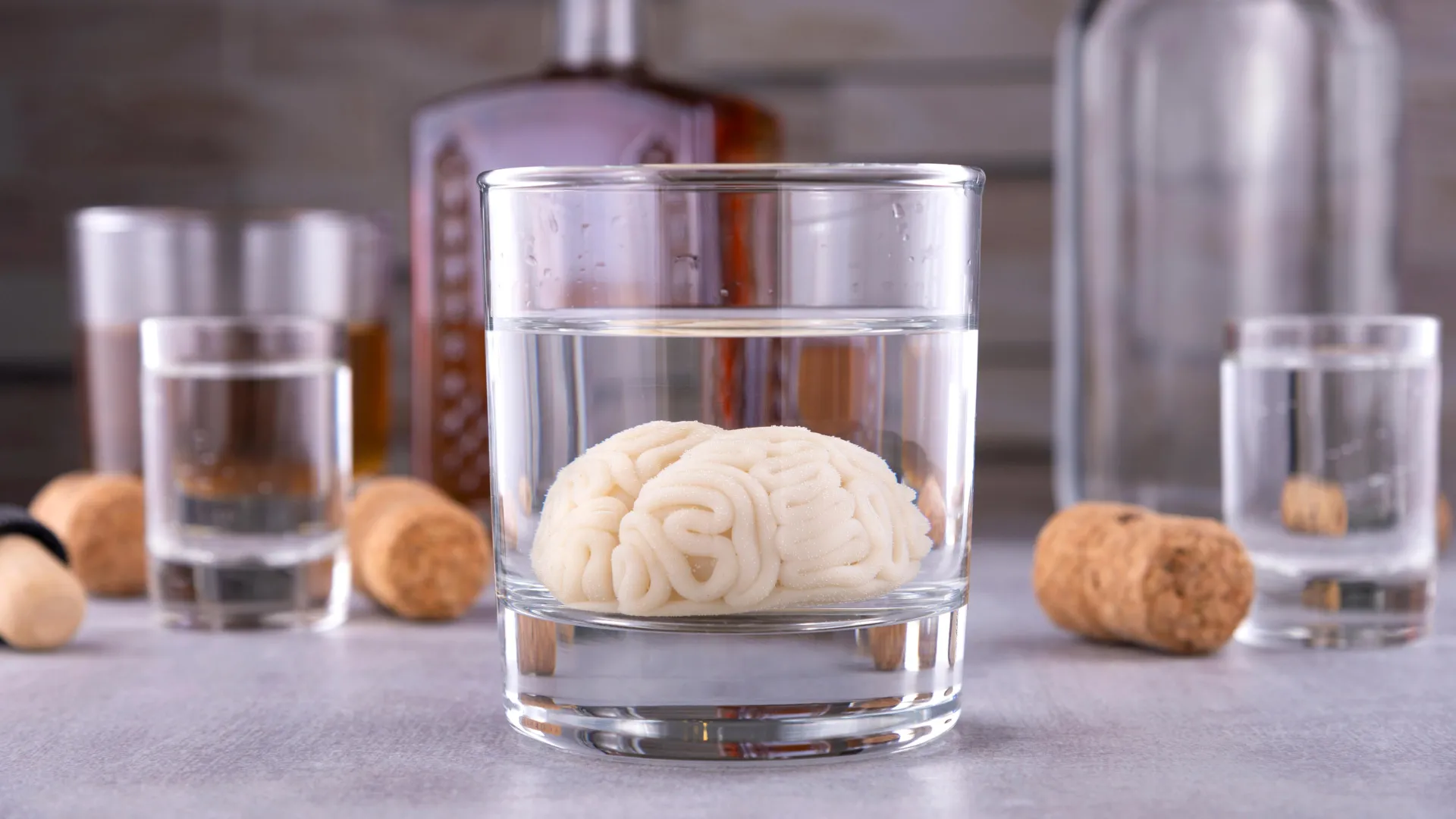
A particularly significant finding emerged when researchers noted increased BNST activity even before the abstinent mice were given access to the bitter alcohol. This temporal precedence suggests that BNST activation might not merely be a reactive response to alcohol exposure but could instead represent a proactive neural state, a pre-existing vulnerability that predisposes an individual to seek and consume alcohol upon re-exposure. This discovery carries profound implications for the development of predictive screening methods. If similar patterns of BNST activity can be identified in humans during early abstinence, it could provide clinicians with a powerful physiological marker to identify individuals at high risk of relapse, enabling more personalized and preemptive treatment strategies.
The societal burden of alcohol misuse in the United States is immense, consistently ranking among the most pressing public health concerns. Alcohol is implicated in a vast array of detrimental health outcomes, spanning various cancers, liver disease, cardiovascular issues, and neurological damage, yet public perception often severely underestimates its gravity. Despite widespread awareness campaigns, many individuals remain largely unaware of the profound health risks associated with even moderate alcohol consumption. The stark reality is underscored by mortality statistics: in 2024, deaths directly linked to alcohol use were a staggering 4.5 times higher than those attributed to opioid use, positioning alcohol as a tragically overlooked yet exceptionally lethal substance within the national drug crisis.
The sheer scale of alcohol consumption in America is staggering; over 80% of individuals aged 12 and older report consuming alcohol at some point in their lives. From this vast demographic, approximately 10% will eventually develop Alcohol Use Disorder, translating to nearly 30 million people who are in dire need of effective treatment and support. Despite the existence of several Food and Drug Administration (FDA)-approved medications and various therapeutic approaches for AUD, the number of individuals diagnosed with the condition has alarmingly doubled in the U.S. since 1999. This dramatic increase highlights a critical gap in current healthcare strategies: clinicians frequently lack the sophisticated tools necessary to accurately predict which individuals will struggle most with maintaining sobriety and are thus ill-equipped to proactively intervene. While harm reduction strategies, a cornerstone of opioid use disorder treatment, are gradually being explored within the context of AUD, abstinence remains a primary goal for many conventional treatment modalities. Developing more precise methodologies for identifying individuals predisposed to AUD and tailoring treatment pathways accordingly is paramount to improving long-term recovery rates.
Despite these significant strides, several critical questions about the BNST’s exact role in AUD-related behaviors remain unanswered. The precise mechanisms driving the observed increase in BNST activity during abstinence are not yet fully understood. Furthermore, researchers are keen to pinpoint which specific populations of brain cells within the BNST are primarily responsible for encoding this heightened activity. Unlocking these detailed insights could illuminate novel molecular and cellular targets for future therapeutic interventions, moving beyond broad pharmacological approaches to highly specific, circuit-level modulations.
Looking ahead, the scientific community is rapidly leveraging cutting-edge tools in neuroscience that enable the precise manipulation of specific neuronal populations within animal brains. Using advanced techniques such as optogenetics and chemogenetics, which allow researchers to activate or inhibit specific neurons with light or designer drugs, the research team is actively working to disentangle the causal role the BNST plays in driving compulsive alcohol consumption, particularly when individuals are faced with adverse consequences. Concurrently, collaborative efforts are underway to bridge the gap between animal models and human experience. A research colleague, Jennifer Blackford, is spearheading investigations into BNST activity in human subjects who are in the early stages of abstinence from AUD. Should her team’s observations in human participants mirror the findings from the mouse model, the next crucial step would involve rigorous clinical trials to validate the BNST as a viable screening method for predicting relapse risk, potentially revolutionizing the way AUD is diagnosed and treated. This integrated approach, combining foundational neuroscience with translational human studies, holds immense promise for transforming the landscape of addiction recovery.
About the Author