
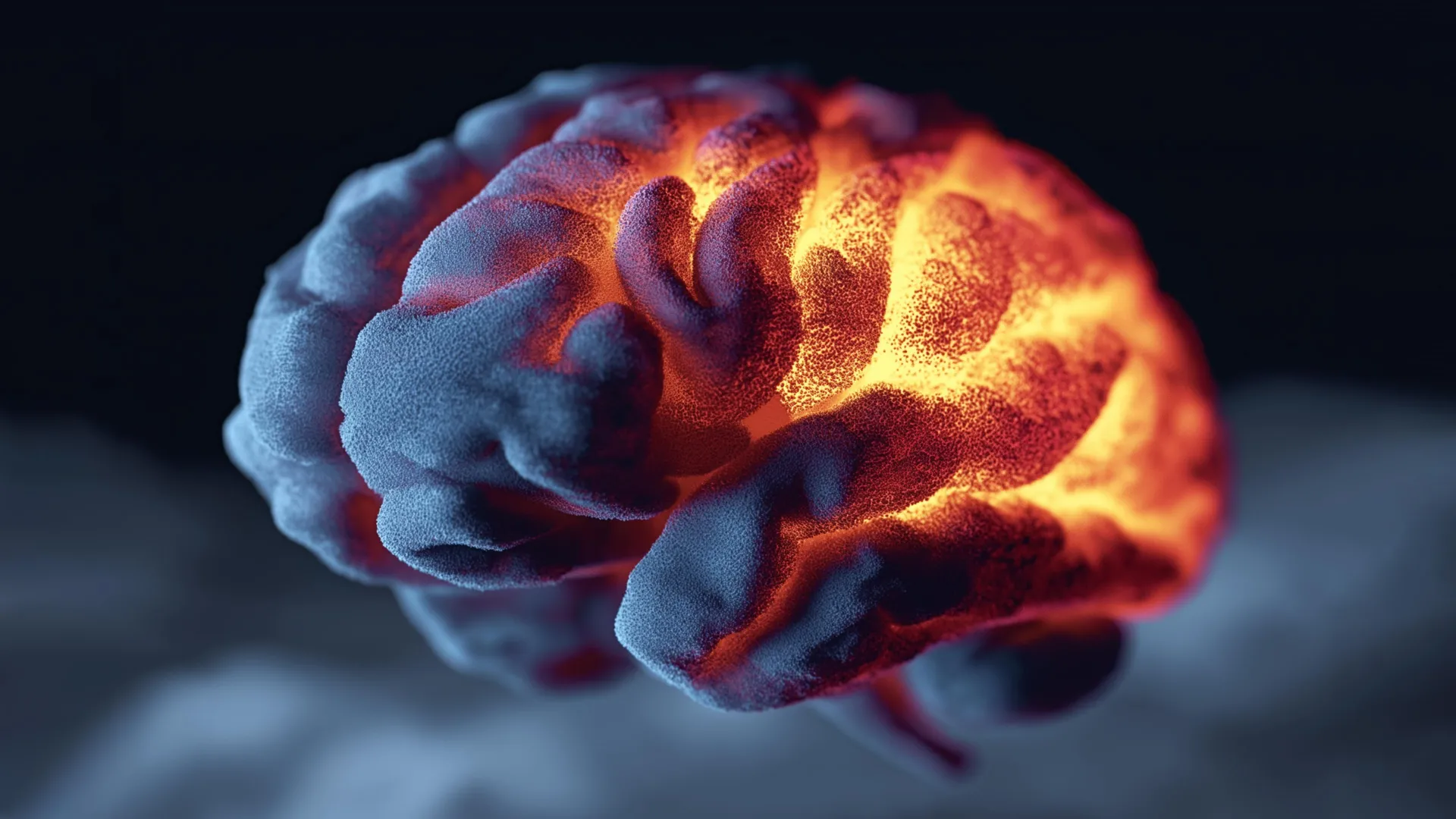
A specific cluster of neurons deep within the brain has been identified as a critical regulator of pain perception, acting as a potent inhibitory mechanism under typical physiological conditions. However, the very same neural network, when subjected to the stress of nerve damage, can paradoxically shift its function, becoming an active contributor to the amplification and perpetuation of chronic pain states. This fundamental switch in the role of these brain cells has been the focus of groundbreaking research that may pave the way for novel therapeutic interventions.
Scientists at the Washington University School of Medicine in St. Louis have elucidated a key molecular pathway that explains how this critical transition occurs, offering a promising avenue for potentially reversing the debilitating effects of chronic pain. Their investigations, primarily conducted in rodent models, revealed that specialized receptors situated on cells within the brain’s central hub for alertness and stress response possess the capacity to function as biological braking mechanisms, effectively dampening pain signals. While these receptors were previously understood for their involvement in modulating stress responses, these new findings illuminate their crucial role in quieting overactive pain-generating circuits, thereby alleviating chronic neuropathic pain that arises from nerve injury.
The implications of this discovery, detailed in a recent publication in the journal Current Biology, highlight the locus coeruleus—a small but highly significant brain region—as a prime target for the development of next-generation pain management strategies. These future therapies could potentially offer a more precise and localized approach to pain relief, bypassing the systemic side effects associated with current treatments.
"The prevalence of chronic neuropathic pain, affecting millions of adults worldwide, underscores the urgent need for more effective and safer treatment options," stated Jordan McCall, PhD, an associate professor within the Department of Anesthesiology at WashU Medicine and the senior author of the study. "Current therapeutic regimens, particularly opioid-based medications, engage receptors broadly across the entire body and brain. This widespread action, while effective in reducing pain, frequently leads to a cascade of adverse effects including tolerance, physical dependence, and a significant risk of addiction. Gaining a comprehensive understanding of how specific receptors within the locus coeruleus act as gatekeepers for pain transmission could revolutionize treatment paradigms, enabling the design of therapies that are both highly effective and considerably safer."
The Pathogenesis of Neuropathic Pain: A Malfunctioning Signal Relay
Neuropathic pain arises when nerve fibers sustain damage, leading to a state of aberrant signaling wherein injured nerves transmit abnormal electrical impulses to the brain. These distorted messages are often interpreted by the brain as intense pain sensations, manifesting as sharp, shooting, burning, or stabbing discomfort. A diverse array of conditions, including but not limited to diabetes, certain viral infections, and the compression of nerves, can precipitate this complex and often intractable form of pain.
In an effort to unravel the mechanisms that might arrest or reverse this pathological process, Dr. McCall’s research team, which included co-first authors Chao-Cheng Kuo, PhD, a postdoctoral research associate, and Makenzie R. Norris, a former graduate student, turned their attention to the locus coeruleus. This brain structure had already been implicated in the intricate regulation of pain pathways, making it a logical focal point for their investigation.
Initial experiments confirmed that nerve injury indeed has the capacity to transform the locus coeruleus from a pain-modulating center into an active generator of pain signals. By temporarily inhibiting the activity of neurons within this region in mice engineered to model neuropathic pain, the researchers observed a significant reduction in their sensitivity to tactile stimuli and thermal changes when compared to their healthy counterparts, strongly suggesting the locus coeruleus’s direct role in pain amplification following nerve damage.
Mu Opioid Receptors: The Brain’s Internal Pain Dampeners
The subsequent phase of the research delved into the function of opioid-responsive receptors situated on the cells of the locus coeruleus, with a particular emphasis on the mu opioid receptors. These receptors are widely distributed throughout the central nervous system, including the brain and spinal cord. Their activation by naturally occurring endogenous opioids, or by exogenous opioid medications like morphine and fentanyl, is a well-established mechanism for attenuating pain signaling throughout the neural network. Given the high density of mu opioid receptors within the locus coeruleus, the researchers hypothesized that they might play a disproportionately critical role in the localized control of pain within this specific brain area.
To test this hypothesis, the team genetically engineered mice with neuropathic pain to lack mu opioid receptors specifically on their locus coeruleus neurons. The results were striking: these mice exhibited an even more pronounced hypersensitivity to both touch and heat compared to mice whose locus coeruleus cells retained functional mu opioid receptors. This observation provided compelling evidence that the absence of these receptors in the locus coeruleus exacerbated the pain response.
Crucially, when the researchers subsequently restored the mu opioid receptors to the same neurons in these hypersensitive mice, the heightened pain sensitivity was effectively reversed. This restoration of receptor function acted as a potent switch, effectively turning off the exaggerated pain signaling and returning the animals’ pain perception closer to normal levels. This finding strongly supports the concept of these receptors acting as a critical inhibitory brake on pain generation within the locus coeruleus.
Towards Precision Medicine: Targeting the Locus Coeruleus for Chronic Pain Management
These groundbreaking findings strongly suggest that the pathological processes associated with chronic pain may disrupt the inherent ability of mu opioid receptors to exert their inhibitory influence on the activity of locus coeruleus neurons. This disruption allows the pain-generating circuitry within this region to become dysregulated and overactive.
The research team is now actively pursuing strategies to modulate the activity of the locus coeruleus in a highly targeted manner, without inadvertently affecting opioid receptors in other areas of the nervous system. The ultimate objective of this ongoing research is to develop innovative therapeutic agents that can specifically engage mu opioid receptors exclusively within the locus coeruleus. Such a precise therapeutic approach holds the potential to provide profound relief from the persistent suffering of chronic neuropathic pain, while simultaneously mitigating the significant risks and side effects that are commonly associated with current medications that act more broadly across the brain and body. This work was supported by grants from the National Institutes of Health and the National Science Foundation, among other funding sources.
About the Author












