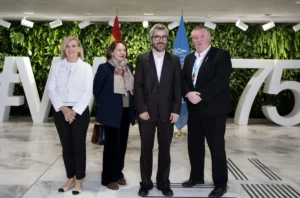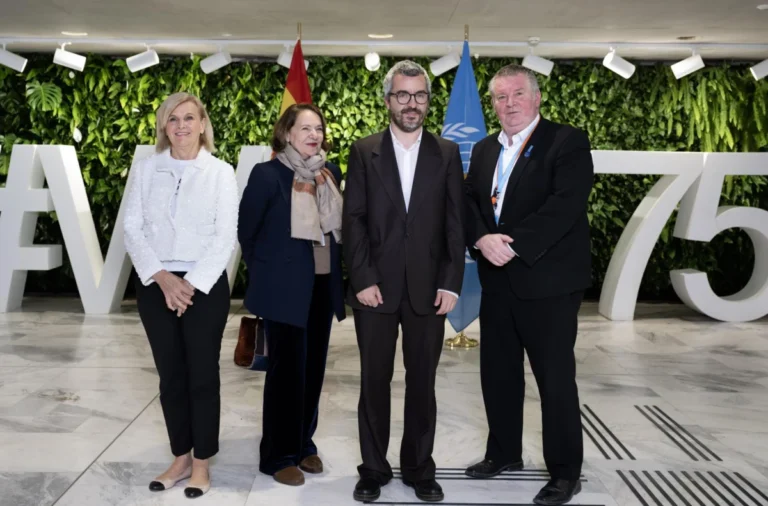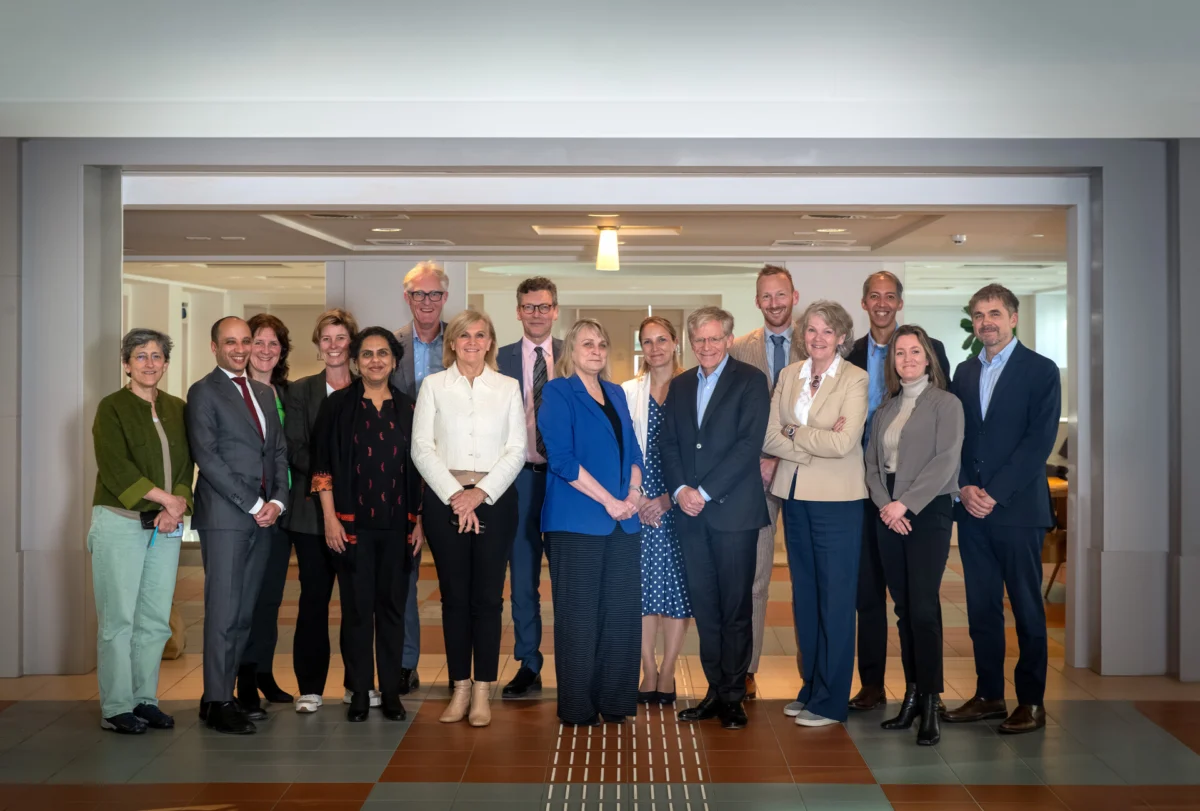
The Hague, a city renowned for its dedication to international justice and peace, recently hosted a pivotal gathering on April 10, 2024, as high-level representatives from the World Health Organization (WHO) and the Kingdom of the Netherlands convened for a strategic dialogue. This significant meeting marked a critical juncture in their enduring collaboration, focused on aligning the Dutch Global Health Strategy with the WHO’s overarching strategic objectives. Against a complex tapestry of geopolitical instability, burgeoning humanitarian emergencies, and the accelerating ramifications of climate change, this dialogue served as an essential forum for charting a collective course towards a healthier global future. The discussions underscored a shared resolve to deepen their robust partnership, ensuring that joint efforts are meticulously coordinated to address the most pressing health challenges impacting populations worldwide.
At the heart of this partnership lies the Netherlands’ profound and unwavering commitment to advancing global health, safeguarding human rights, and ensuring universal access to comprehensive health services. This commitment is not merely rhetorical; it is deeply embedded in the nation’s foreign policy and development aid strategies, reflecting a deeply held belief that health is a fundamental human right and a cornerstone of sustainable development. The Dutch perspective posits that a healthy global populace is intrinsically linked to peace, prosperity, and stability, necessitating proactive engagement on the international stage. This foundational ethos makes the Netherlands an indispensable ally in the WHO’s mission to promote health, keep the world safe, and serve the vulnerable. The dialogue specifically recognized the critical interconnectedness between the health outcomes within the Netherlands and broader global health trends, illustrating that no nation exists in a public health vacuum.
The current global landscape presents an unprecedented array of health threats, demanding concerted and innovative international responses. The discussions in The Hague were framed by an acute awareness of these realities. Ongoing regional conflicts, for instance, devastate health infrastructure, displace millions, disrupt essential supply chains, and exacerbate mental health crises among affected communities. Simultaneously, the increasing frequency and intensity of natural disasters, often amplified by climate change, strain emergency response mechanisms and lead to long-term health consequences. The escalating impact of climate change itself poses a multifaceted threat, from the spread of vector-borne diseases and heat-related illnesses to food insecurity and forced migration, all of which disproportionately affect vulnerable populations. These overlapping crises underscore the urgent need for robust health systems that are not only resilient but also adaptable and equitable in their reach. The strategic dialogue provided a crucial platform for both the WHO and the Netherlands to reflect on how their long-term vision for collaboration can most effectively navigate and mitigate these complex and evolving challenges.
A significant outcome of the strategic deliberations was the confirmation of a profound alignment between the Netherlands’ national Global Health Strategy and the WHO’s forthcoming 14th General Programme of Work (GPW). The GPW serves as the WHO’s overarching strategic blueprint, outlining its priorities and expected outcomes for a specific period. This convergence of strategic priorities between a key member state and the leading global health authority paves the way for powerful synergies across several critical domains. These include strengthening health systems at all levels, enhancing global preparedness and response capabilities for future pandemics, addressing the intricate relationship between climate change and health, combating the growing threat of antimicrobial resistance (AMR), and expanding access to vital mental health support. This alignment is vital for ensuring that resources are optimally utilized and that efforts are concentrated where they can achieve the greatest impact.
Dr. Bruce Aylward, WHO Assistant Director-General for Universal Health Coverage, Life Course, emphasized the urgency of the moment, noting, "At a time when inequity in health and in access to essential health services and financial protection is increasing, disproportionately impacting the poor and most vulnerable, the Netherlands stands as a global health leader and trusted WHO partner." His statement highlights the critical role the Netherlands plays in advocating for equity, a core principle of the WHO. The dialogue specifically affirmed shared priorities, encompassing sexual and reproductive rights (SRHR), gender equity, robust health systems, global health security, climate resilience, and comprehensive mental health services. These areas represent interconnected pillars essential for achieving universal health coverage and fostering holistic well-being. SRHR and gender equity, for instance, are recognized as fundamental human rights that empower individuals and communities, directly impacting health outcomes and socio-economic development. Strengthening health systems involves investing in primary healthcare, developing a skilled health workforce, ensuring access to essential medicines and technologies, and establishing effective governance structures. Global health security, informed by lessons from recent pandemics, demands robust surveillance, rapid response mechanisms, and equitable access to countermeasures. Climate resilience in health systems involves adapting to new disease patterns and environmental stressors, while expanding mental health support addresses a growing global burden, often exacerbated by crises and chronic stressors.
The Netherlands’ role extends beyond strategic alignment; it is also a critical financial pillar for the WHO. The organization acknowledged the Netherlands’ exemplary leadership as a flexible donor, a designation that carries significant weight in the landscape of global health financing. Flexible funding, often referred to as core voluntary contributions, allows the WHO to allocate resources where they are most urgently needed, enabling swift and effective responses to unforeseen crises and supporting fundamental operational capacities that are often overlooked by earmarked, project-specific funding. In 2022-2023, the Netherlands ranked among the top five flexible WHO contributors, providing nearly US$ 19 million in core voluntary contributions. Overall, its total contribution to the WHO during this period exceeded US$ 106 million, with an impressive 90% (US$ 93 million) being voluntary funding. This substantial financial commitment underscores the Netherlands’ dedication to the WHO’s central coordinating role within the global health architecture.

Furthermore, the dialogue addressed the imperative of ensuring more sustainable financing for the WHO, a goal that aligns with the inaugural WHO Investment Round. This innovative initiative seeks to mobilize predictable, sustainable, and flexible resources crucial for the WHO to fulfill its mandate effectively, particularly in supporting vulnerable populations and responding to emergent global health challenges with agility. The Netherlands’ early support for this round signals a shared understanding that the WHO’s ability to deliver on its ambitious agenda hinges on a stable and predictable funding base, moving away from fragmented, short-term project-based financing.
Beyond financial contributions, the Netherlands also provides invaluable technical expertise to the WHO through the secondment of specialized staff. These experts contribute directly to the WHO’s technical programs, enhancing its capacity in various domains. Additionally, the Netherlands supports the WHO’s Junior Professional Officer (JPO) Programme, an initiative designed to nurture the careers of young professionals in public health. This investment in human capital is vital for building the next generation of global health leaders and ensuring a continuous pipeline of skilled personnel dedicated to addressing complex health issues.
The strategic dialogue also confronted contemporary geopolitical complexities, recognizing that global health objectives cannot be advanced in isolation from broader international relations. Both parties stressed the importance of sustained collaboration, even amidst geopolitical tensions, to address pressing health issues comprehensively. Health diplomacy, often acting as a bridge in fractured international relations, was implicitly highlighted as a means to foster cooperation and collective action where other avenues might face obstacles. The interconnected nature of public health demands a collaborative spirit that transcends national and political divides, making such dialogues even more crucial in an increasingly fragmented world.
Reflecting on achievements since their previous strategic dialogue in 2022, the partners noted how that earlier session had called for enhanced synergies between WHO priorities and the then-new Dutch Global Health Strategy. The 2024 dialogue served as an opportunity to take stock of the progress made in implementing this integrated approach. While specific project outcomes were not detailed, the very alignment now confirmed signals effective collaboration in translating strategic intentions into operational frameworks. The outcomes of the 2024 dialogue will thus directly inform future collaborative endeavors, ensuring that efforts remain synchronized and that resources are deployed with maximum efficiency to achieve improved health outcomes globally.
The breadth of areas where the Netherlands contributes is extensive, encompassing critical public health interventions. These include sexual and reproductive health and rights, essential water and sanitation initiatives (WASH), mental health support in emergency settings, comprehensive emergency preparedness frameworks, combating tuberculosis, advancing the One Health approach (recognizing the interdependence of human, animal, and environmental health), strengthening primary health care as the foundation of universal health coverage, and tackling antimicrobial resistance. The Netherlands also actively facilitates cooperation between the WHO and its own top-tier academic and research institutions, leveraging Dutch scientific excellence to inform global health strategies and innovation.
In conclusion, the enduring partnership between the Netherlands and the WHO stands as a formidable cornerstone in the global health landscape. It embodies a shared commitment to advancing health and well-being for all, globally and within the Netherlands. Through strategic alignment, substantial flexible financing, technical expertise, and a steadfast dedication to equity and human rights, this collaboration serves as a powerful model for how member states can actively contribute to the WHO’s vital mission, collectively building a more resilient, equitable, and healthier world.
About the Author