Novel Therapeutic Avenue Uncovered: Targeting Glioblastoma’s Resilience Mechanism
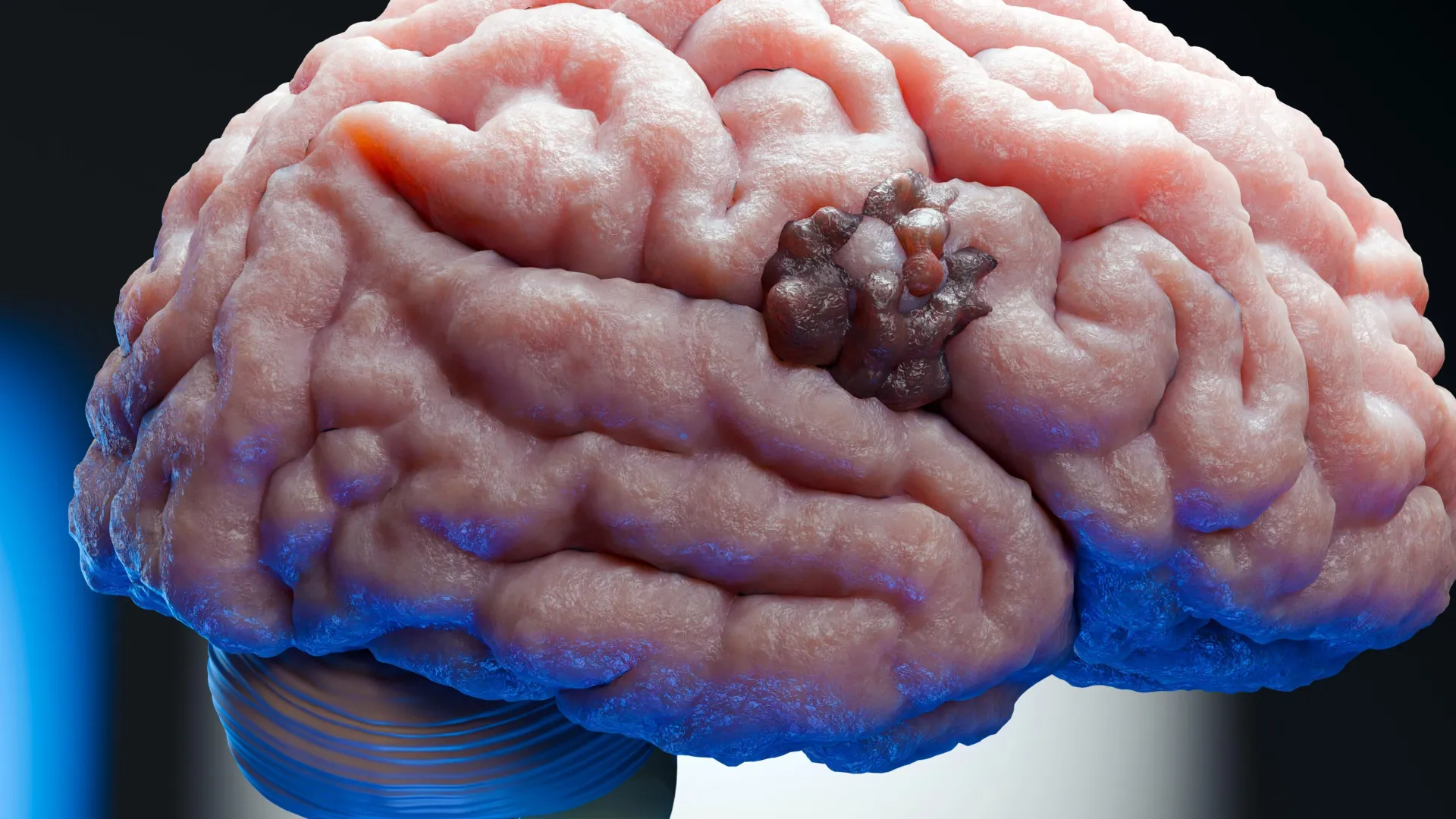
Glioblastoma, a notoriously aggressive and frequently fatal brain malignancy, has long presented a formidable challenge to medical science, with therapeutic interventions demonstrating limited efficacy due to the tumor’s inherent resistance to conventional treatments like radiation and chemotherapy. A recent investigation conducted by researchers at The Ohio State University Comprehensive Cancer Center – Arthur G. James Cancer Hospital and Richard J. Solove Research Institute has illuminated a promising new direction for combating this devastating disease, identifying a specific protein, designated as SET, as a potential vulnerability that could enhance the effectiveness of existing treatment modalities. This innovative strategy is not intended to supplant current therapeutic approaches but rather to augment their impact, making glioblastoma cells more susceptible to destruction. Early preclinical investigations have demonstrated that inhibiting the function of the SET protein effectively curtails tumor development.
Within the spectrum of proteins analyzed during this research, SET emerged as a particularly significant finding due to the profound impact its inhibition exerted on the capacity of tumors to form and proliferate. Furthermore, the research team observed that manipulating proteins closely associated with SET amplified the susceptibility of glioblastoma cells to radiation therapy. These collective findings strongly suggest the existence of a crucial biological signaling pathway that could, in the future, be specifically targeted by pharmacological agents to dismantle the cancer’s inherent defenses. The scientific endeavor at the OSUCCC – James was primarily centered on the enzyme PP2A, a critical regulator of cellular processes that govern cancer cell growth, survival, and their ability to recover from treatment-induced damage. Glioblastoma cells appear to circumvent the normal regulatory functions of PP2A by leveraging the activity of three key proteins: ANP32A, CIP2A, and SET. When the researchers experimentally suppressed these proteins in both laboratory-based cell cultures and animal models, a marked reduction in cancer cell survival was observed, and the remaining malignant cells exhibited heightened vulnerability to radiation.
Dr. Arnab Chakravarti, Chair of Radiation Oncology at the OSUCCC – James, articulated the inherent difficulty in treating glioblastoma, explaining, "Glioblastoma is hard to treat because it can adapt and survive." He further elaborated on the implications of their findings, stating, "Our findings suggest that restoring PP2A activity may make glioblastoma cells less able to survive treatment. That gives us a clear path to test whether this approach can make radiation and chemotherapy more effective for patients with GBM." This pivotal research marks a significant departure from previous treatment paradigms, focusing on bolstering the efficacy of established therapies rather than developing entirely new ones. The underlying principle involves identifying and neutralizing mechanisms that allow glioblastoma to evade therapeutic interventions.
The preliminary outcomes of this research, while not yet assessed in human patients, provide a compelling rationale for further exploration. Current efforts are directed towards determining the safety and efficacy of targeting SET or other proteins that impede PP2A activity, with the ultimate goal of enhancing the effectiveness of standard glioblastoma treatments. In parallel, the research team explored the potential of an already FDA-approved antipsychotic medication that possesses the capacity to augment PP2A activity. The findings related to this drug offer additional support for investigating therapeutic agents that can modulate this specific biological pathway. However, it is crucial to emphasize that this medication is not presently recommended for glioblastoma treatment and should only be administered within the context of a carefully controlled clinical trial.
Dr. Chakravarti reiterated the significance of these initial discoveries, remarking, "This is an important first step. By understanding how SET and related PP2A blockers help GBM survive treatment, we can test ways to block that protection and make current therapies more effective." This foundational work lays the groundwork for developing more sophisticated and targeted treatment strategies, moving beyond broad-spectrum interventions to address the specific molecular underpinnings of glioblastoma’s resistance. The identification of the SET protein and its role in enabling glioblastoma cells to withstand therapy represents a crucial advancement in understanding the complex biology of this aggressive cancer. By uncovering these intrinsic survival mechanisms, scientists are better equipped to design interventions that can effectively neutralize them, thereby improving patient outcomes.
The implications of this research extend beyond the immediate identification of a therapeutic target. It underscores the importance of delving into the intricate cellular processes that contribute to cancer’s resilience, a common characteristic across many difficult-to-treat malignancies. Glioblastoma’s ability to adapt and resist treatment is a testament to its sophisticated survival strategies, involving the intricate interplay of various proteins and signaling pathways. The discovery that SET plays a role in this adaptive process provides a tangible point of intervention. By disrupting SET’s function, researchers aim to disrupt the tumor’s ability to repair itself and to withstand the damaging effects of chemotherapy and radiation. This approach offers a more nuanced and potentially less toxic way to improve treatment efficacy compared to simply increasing the dosage or intensity of existing therapies, which can often lead to significant side effects.
The investigation into an existing antipsychotic drug capable of boosting PP2A activity further highlights the potential for repurposing existing medications in the fight against cancer. This strategy can significantly accelerate the drug development process, as these medications have already undergone rigorous safety testing. While caution is advised regarding off-label use, the preliminary findings suggest that exploring the broader therapeutic potential of drugs that modulate PP2A activity is a worthwhile endeavor. This could lead to novel combination therapies that leverage the synergistic effects of existing treatments and these PP2A-modulating agents. The research team’s methodical approach, from identifying the problem (treatment resistance) to pinpointing a specific molecular player (SET) and exploring potential solutions (inhibiting SET or modulating PP2A), exemplifies a comprehensive scientific investigation.
The study, which was published in the May 2026 edition of the esteemed journal Cancer Letters, received vital support from grants provided by the National Institutes of Health, the National Cancer Institute, and The Ohio State University Comprehensive Cancer Center. This collaborative funding underscores the national and institutional commitment to advancing research in the field of oncology, particularly for cancers with limited treatment options. The long-term vision for this research involves translating these preclinical findings into clinical trials, where the safety and effectiveness of targeting the SET protein or modulating PP2A activity can be rigorously evaluated in human patients. The ultimate goal is to incorporate these novel strategies into the standard of care for glioblastoma, offering a renewed sense of hope to individuals battling this formidable disease. The journey from laboratory discovery to clinical application is often protracted, but this latest breakthrough represents a significant stride forward, offering a tangible path towards more effective glioblastoma therapies.
Related posts:

Related News