A high-level delegation from the Kingdom of Spain, led by its Secretary of State for Health, Mr. Javier Padilla Bernáldez, engaged in comprehensive bilateral discussions with the World Health Organization (WHO) leadership in Geneva on April 23 and 24, 2024. This significant two-day visit underscored Spain’s enduring commitment to advancing global health initiatives and reinforcing its collaborative partnership with the world’s leading health authority. The extensive agenda spanned a multitude of critical public health challenges and strategic priorities, reflecting a shared vision for a healthier and more equitable world.
The foundational principle of universal health coverage (UHC) and the concomitant strengthening of national health systems emerged as a central pillar of the discussions. Spain, renowned for its robust and accessible public healthcare system, shared insights into its model, which prioritizes equitable access to essential services for all citizens regardless of socioeconomic status. This focus aligns perfectly with WHO’s overarching mission to ensure that everyone, everywhere, can obtain the health services they need without financial hardship. The dialogue delved into strategies for bolstering primary health care, recognized as the bedrock of UHC, emphasizing its pivotal role in disease prevention, health promotion, and the efficient delivery of care at the community level. Participants explored innovative approaches to making health systems more resilient, adaptable, and capable of addressing the evolving health needs of populations, particularly in the face of demographic shifts and increasing chronic disease burdens.
Another paramount area of focus was the enhancement of global capabilities for pandemic response and health emergency management. The profound lessons drawn from recent global health crises, particularly the COVID-19 pandemic, have underscored the urgent necessity for improved international coordination, rapid deployment mechanisms, and robust emergency medical teams (EMTs). Spain’s representatives outlined their nation’s contributions and expertise in emergency preparedness, readiness, and response, sharing best practices in mobilizing resources and personnel during crises. The discussions also encompassed the critical role of well-trained and equipped EMTs in providing immediate medical assistance in disaster-affected regions, mitigating health impacts, and preventing the escalation of outbreaks. This segment of the dialogue aimed to refine collective strategies for future health emergencies, ensuring a more coordinated and effective global defense against infectious threats.
Spain’s distinguished global leadership in organ and tissue transplantation also featured prominently in the high-level exchange. The country boasts the world’s highest organ donation rates, attributed to its unique "presumed consent" system and a highly efficient, ethically robust public transplantation network. The Spanish Ministry of Health plays a crucial role in shaping global standards and practices in this complex field. The delegation collaborated with WHO on its Transplantation Program, which seeks to increase the availability of human cells, tissues, and organs for therapeutic purposes, while simultaneously ensuring ethical access, stringent quality standards, and rigorous oversight. A core objective was to combat organ trafficking and ensure that transplant systems are sustainable, self-sufficient, and rooted in principles of equity and transparency. Spain’s experience provides an invaluable blueprint for other nations striving to develop and enhance their own transplantation infrastructures.
The ongoing battle against infectious diseases also received significant attention. Malaria, a persistent global health challenge, alongside a range of neglected tropical diseases (NTDs), remains a priority for both Spain and WHO. The discussions explored collaborative strategies for disease surveillance, vector control, access to diagnostics and treatment, and the development of new interventions. Spain’s commitment to supporting global efforts to eradicate polio was reaffirmed, highlighting its role as a consistent champion of the Global Polio Eradication Initiative (GPEI). This initiative has made remarkable progress in reducing polio incidence worldwide, but continued vigilance and concerted international support are essential to achieve final eradication, especially in the remaining endemic areas.
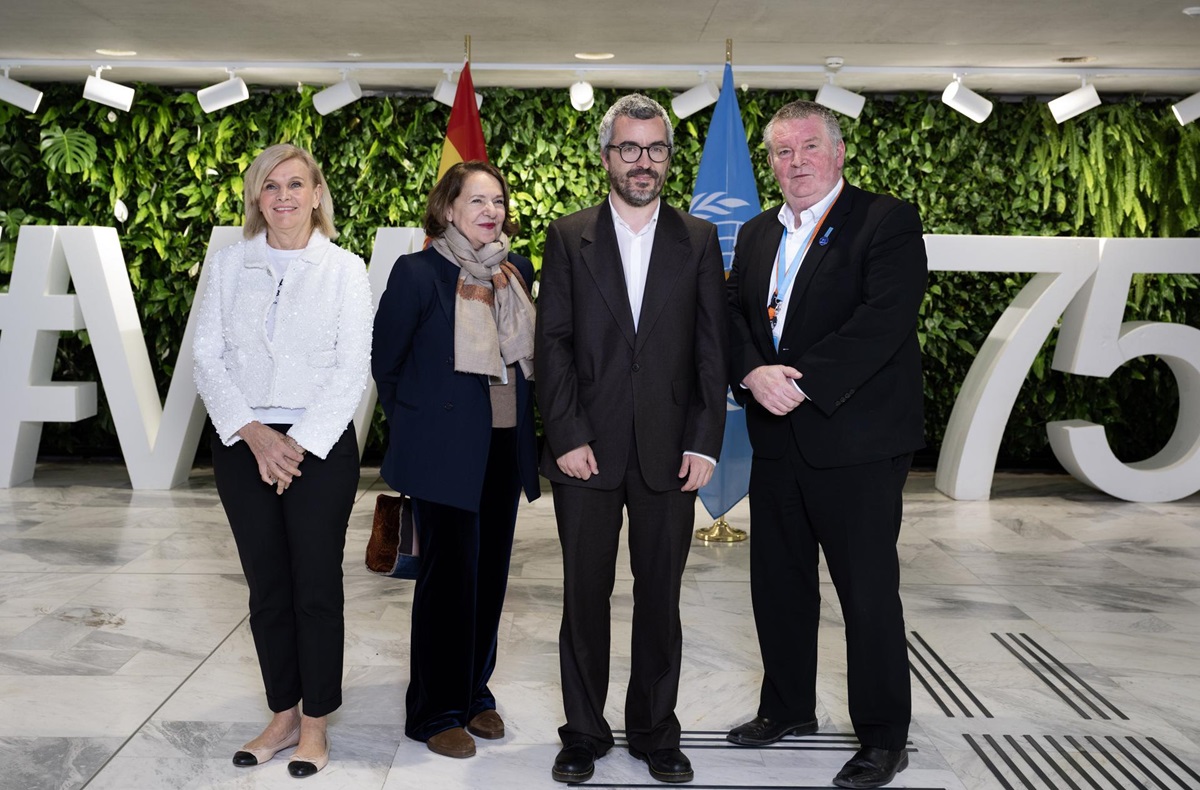
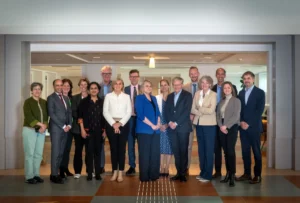
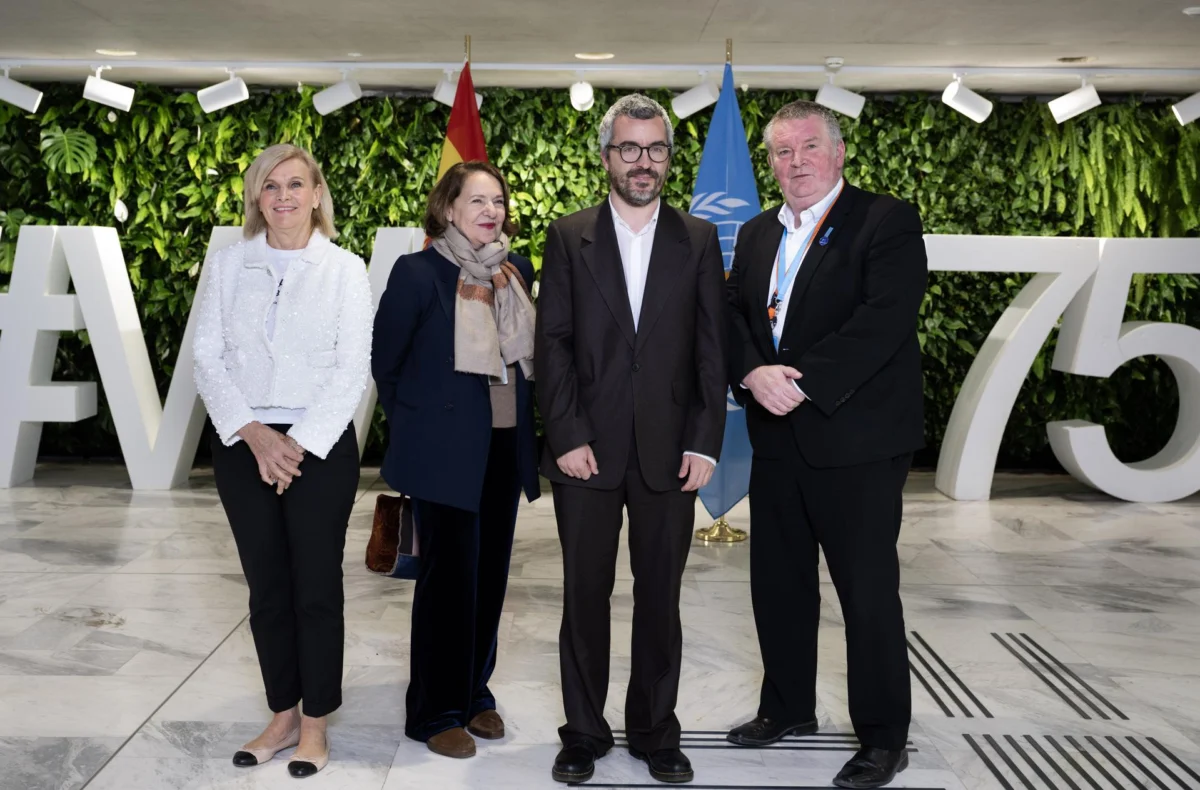
Beyond these specific areas, the conversations broadened to encompass a comprehensive array of public health determinants and interventions. The concept of social determinants of health—factors such as socioeconomic status, education, environment, and access to nutritious food—was thoroughly explored, recognizing their profound influence on health outcomes and health equity. Strategies for effective tobacco and alcohol control were discussed, acknowledging their significant contribution to the global burden of non-communicable diseases (NCDs). Access to essential medicines, including challenges related to affordability, supply chain resilience, and intellectual property, was a key topic, alongside the importance of ensuring healthy lives across all ages, from maternal and child health to geriatric care. Furthermore, discussions addressed nutrition and food safety, the critical global shortage and maldistribution of the health workforce, and broader considerations for health emergencies, including those stemming from climate change and humanitarian crises. Dr. Maria Neira, WHO Director for Environment, Climate Change and Health, whose presence was noted in the delegation’s photo, undoubtedly contributed significant insights into the intertwined challenges of climate change and public health.
The Spanish delegation comprised a diverse group of high-ranking officials, underscoring the multifaceted nature of Spain’s engagement with global health. Alongside Mr. Javier Padilla Bernáldez, key attendees included Ms. Paola Cannata Molero, Director of the Cabinet of the Secretary of State for Health; Mr. Jacobo Fernández Álvarez, Technical Secretary General; Mr. Héctor Tejero Franco, Advisor in the Cabinet of the Minister of Health and responsible for Health and Climate Change; and Mr. Roberto Carro Vázquez, Senior Technician of the Office of the Secretary of State for Health. The diplomatic corps was also well-represented, with delegates from Spain’s Permanent Mission to the United Nations Office and Other International Organizations in Geneva, including H.E. Ambassador Ms. A. Díaz-Rato Revuelta, H.E. Ambassador Ms. Clara Cabrera Brasero, and Counsellor Ms. María del Carmen Martínez de la Peña, signifying the strategic importance Spain places on multilateral health diplomacy.
The WHO leadership welcomed the Spanish delegation with appreciation, acknowledging Spain’s pivotal role as a steadfast partner and contributor to global health initiatives. The WHO team engaging with the Spanish delegates included Dr. Ailan Li, Assistant Director-General for Universal Health Coverage and Healthier Populations; Dr. Catharina Boehme, Assistant Director-General for External Relations and Governance; Dr. Yukiko Nakatani, Assistant Director-General for Access to Medicines and Health Products, who also serves as Assistant Director-General for Antimicrobial Resistance ad interim; and Dr. Michael Ryan, Deputy Director-General and Executive Director of the WHO Health Emergencies Programme. This high-level representation from WHO ensured that the discussions were comprehensive, spanning critical strategic pillars of the organization’s mandate.
WHO leadership conveyed profound gratitude for Spain’s consistent financial and technical support over many years, particularly highlighting its instrumental contributions during the most recent biennium. Spain’s backing has been crucial in facilitating improved access to quality essential health services and medicines in various countries, enhancing global efforts to address the health impacts of climate change and fostering healthier environments, and strengthening national capacities in health data management and innovation. The nation’s sustained advocacy for the Global Polio Eradication Initiative exemplifies its long-term commitment to specific public health goals. Furthermore, Spain’s contributions have been vital in supporting WHO’s work in confronting malaria and neglected tropical diseases, and in fortifying countries’ abilities to prepare for, prevent, and respond to health emergencies, epidemics, and pandemics. The Spanish government’s support for the WHO Health Emergency Appeal has also been instrumental in protecting vulnerable populations in humanitarian crises, thereby helping to break cycles of poverty exacerbated by health shocks.
As a global pioneer in organ and tissue transplantation, Spain’s Ministry of Health continues to be an invaluable partner in WHO’s endeavors to improve the safety, quality, efficacy, and accessibility of transplant services worldwide. WHO deeply values Spain’s willingness to share its unparalleled expertise, assisting other nations in developing sustainable and ethically sound organ transplant systems. This collaborative spirit, extending beyond specific technical areas to encompass a broader commitment to health for all, solidifies Spain’s position as a crucial ally in the pursuit of global health equity and security. The discussions in Geneva reaffirmed this robust partnership, setting a course for continued collaboration on some of the world’s most pressing health challenges.
About the Author